How to Brew Yaupon Tea: Hot, Iced, and Cold Brew Methods
Learn how to brew yaupon tea using hot, iced, and cold brew methods. Discover recommended steeping times, water temperatures, flavor differences between roasted and unroasted yaupon, and tips for preparing the perfect cup.
Texas Yaupon Editorial Team
Reading Time: 5 minutes
Category: Brewing Guides
Updated: May 2026
Key Takeaways
Yaupon can be brewed using loose leaves, tea bags, or sachets.
Water temperature and steeping time influence flavor and caffeine extraction.
Roasted and unroasted yaupon produce different flavor profiles.
Yaupon can be enjoyed hot or iced.
Brewing strength can be adjusted to suit personal preference.
Brewing Yaupon Tea at Home
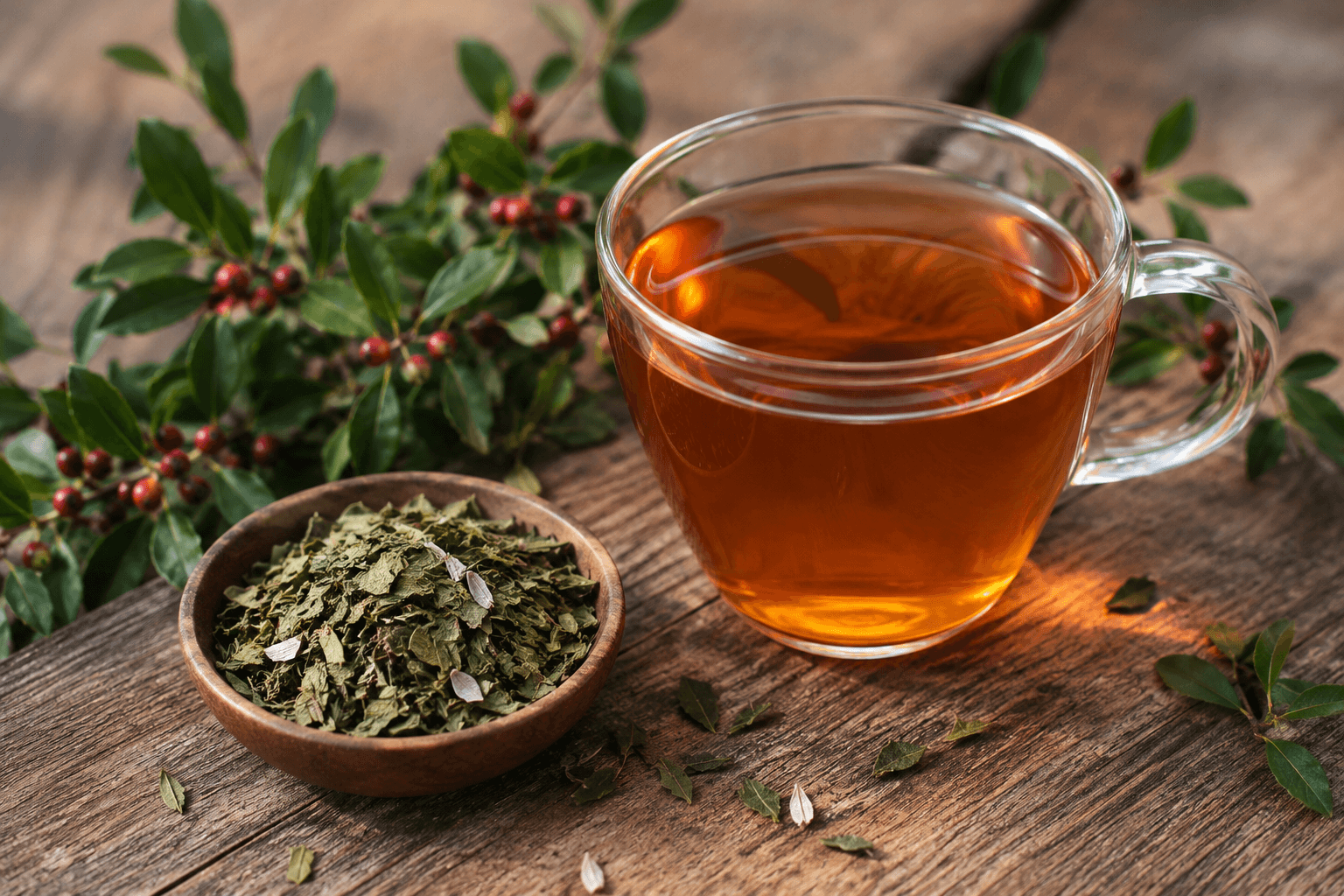
Yaupon tea is easy to prepare and can be enjoyed hot, iced, or cold brewed.
Like coffee or traditional tea, the brewing method affects flavor, aroma, and strength. Small changes in water temperature, steeping time, or leaf quantity yield different results.
If you're new to yaupon, start with our guide: What Is Yaupon?
This guide covers the basics of preparing yaupon tea at home.
Brewing Methods at a Glance
Method | Time | Flavor Profile |
Hot Brew | 3–8 minutes | Traditional, aromatic |
Iced Tea | 5–8 minutes + cooling | Refreshing, stronger |
Cold Brew | 8–12 hours | Smooth, mellow |
Basic Brewing Parameters
Brewing recommendations vary between producers, but the following provides a useful starting point.
For one cup (240 mL) of yaupon tea:
Water: 240 mL (1 cup) fresh water
Yaupon: 2–3 grams loose leaf (about 1 teaspoon)
Equipment: Tea infuser, strainer, or tea bag
Water temperature: 90–96°C (194–205°F), near-boiling
Steep time: 3–5 minutes for lighter, 5–8 minutes for stronger
Fresh filtered water can improve flavor, particularly when brewing lighter, unroasted yaupon varieties.
Brewing ratios can be adjusted based on personal preference and the specific product you're using.
Hot Brewing Method
Step 1: Heat Water
Bring fresh water to approximately 90–96°C (194–205°F). Unlike some delicate teas that require lower temperatures, yaupon performs well with near-boiling water.
Step 2: Measure Yaupon
Place 2–3 grams of yaupon (about 1 teaspoon) into an infuser, tea bag, or brewing vessel.
Step 3: Steep
Pour hot water over the leaves and steep for:
3–5 minutes for a lighter brew
5–8 minutes for a stronger brew
Longer steeping times generally produce a richer flavor and greater caffeine extraction. Flavor intensity and character will vary depending on the product and brewing method.
Step 4: Strain and Serve
Remove the leaves and serve immediately.
Many drinkers enjoy yaupon without additives. Others prefer honey, lemon, milk, or sweeteners.
Roasted vs. Unroasted Yaupon
Different processing methods create different brewing experiences.
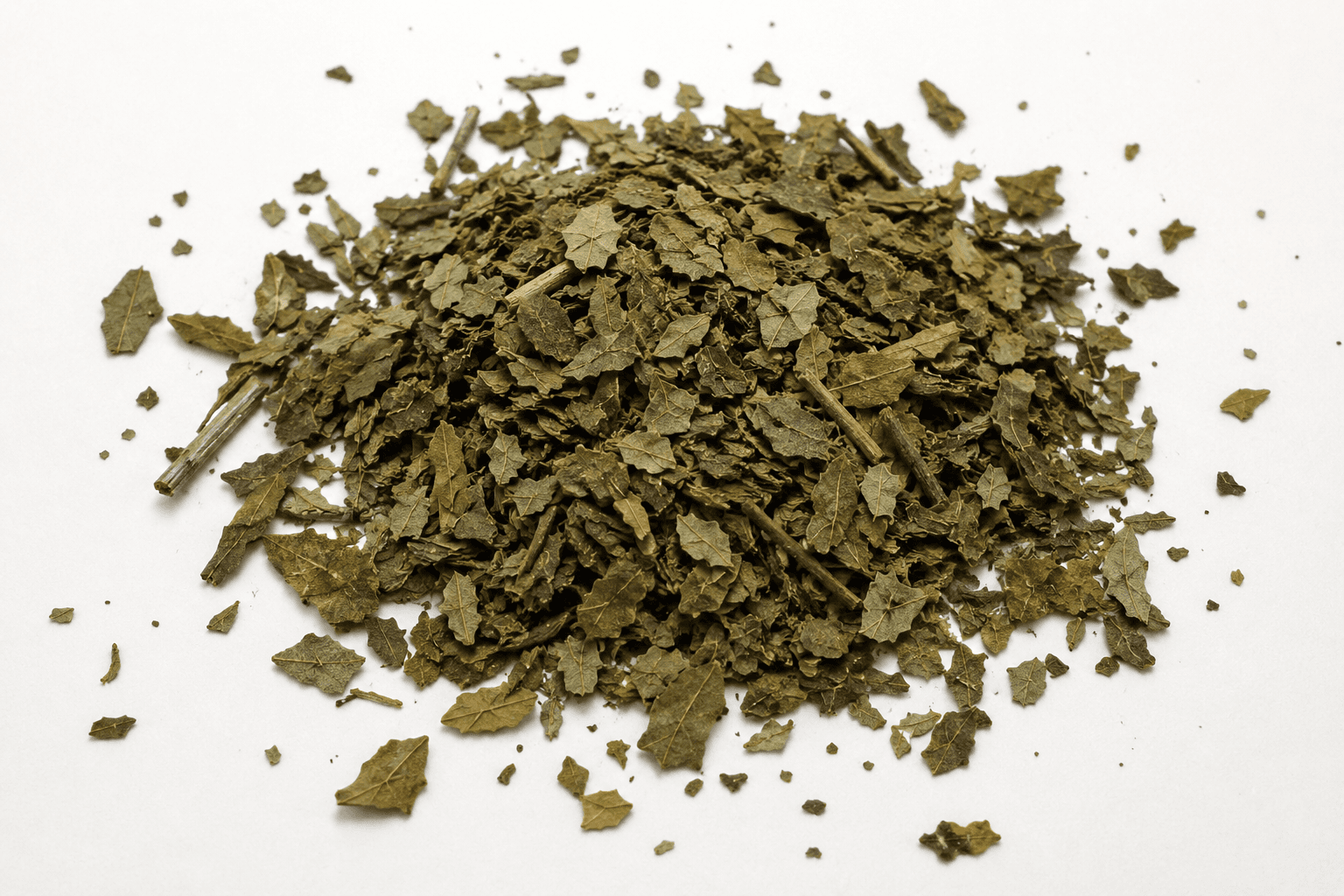
Unroasted Yaupon
Common tasting notes:
Bright
Herbal
Grassy
Mildly sweet
Many drinkers prefer shorter steep times (3–5 minutes) to preserve lighter flavors.
Roasted Yaupon
Common tasting notes:
Toasted
Earthy
Smooth
Rich
Roasted yaupon often stands up well to longer steeping times (5–8 minutes) and produces a fuller-bodied cup.
For a deeper look at flavor differences, see our guide to Roasted vs. Green Yaupon. You can also explore The Flavor of Yaupon for a closer look at common tasting notes and flavor characteristics.
Iced Yaupon Tea
Yaupon also performs well as an iced tea.
To prepare:
Brew a stronger-than-normal batch using approximately double the yaupon (4–6 grams per cup).
Allow it to cool to room temperature.
Pour over ice.
Some producers recommend adding citrus, mint, or fruit for additional flavor.
Cold Brew Method
Cold brewing produces a smoother, often less astringent beverage.
Instructions:
Add 8–10 grams of yaupon to 1 liter of cold water.
Refrigerate for 8–12 hours.
Strain and serve.
Cold brew yaupon should be stored in the refrigerator and is generally best enjoyed within 3–5 days.
Re-Steeping Yaupon
Many yaupon products can be steeped more than once. Subsequent infusions typically produce a lighter cup while still retaining flavor. Results vary depending on the producer and processing method.
Tip: Increase steep time by 1–2 minutes for each additional infusion.
Adjusting Strength
Some people prefer a light, tea-like infusion. Others enjoy a stronger brew with more pronounced roasted or herbal characteristics.
Start with the basic parameters above, then adjust leaf quantity, steep time, or water temperature to match your taste.
Historical Preparation Note
Historical accounts indicate that some Indigenous groups prepared yaupon by boiling or simmering the leaves rather than steeping them in hot water. Modern preparation methods vary considerably, and most commercial yaupon products today are intended to be brewed like traditional tea. To learn more, see our article on Indigenous Use of Yaupon.
About

Featured Posts

Explore Topics


Related Post
Jun 3, 2026
Curious what yaupon tastes like? Learn how green and roasted yaupon compare, the flavors most drinkers notice, and why North America's only native caffeinated plant offers a taste experience unlike coffee, tea, or yerba mate.
Jun 3, 2026
Learn the differences between roasted and green yaupon, including flavor, aroma, appearance, and brewing characteristics. Discover which style may best match your taste preferences and why processing plays such an important role in the final cup.