What Is Yaupon? A Complete Guide to America's Native Caffeinated Tea
North America's only native caffeinated plant has been brewed for centuries. Learn what yaupon is, where it grows, how it tastes, and why this native tea is experiencing a modern revival.
Texas Yaupon Editorial Team
Reading Time: 10 minutes
Category: Basics
Updated: May 2026
Key Takeaways
Yaupon holly (Ilex vomitoria) is a native evergreen shrub whose leaves can be brewed into a naturally caffeinated tea.
It grows throughout the southeastern United States and is especially common in parts of Texas, including East Texas, the Piney Woods, the Gulf Coast, and portions of Central Texas.
Indigenous communities across the American South used yaupon for centuries as a brewed beverage.
Yaupon supports birds, pollinators, and wildlife habitat, making it valuable beyond its use as tea.
The leaves can be processed as green or roasted yaupon, producing different flavors.
Interest in yaupon has grown as more people look for regional, native, and locally connected alternatives to imported coffee and tea.
What Is Yaupon Holly?
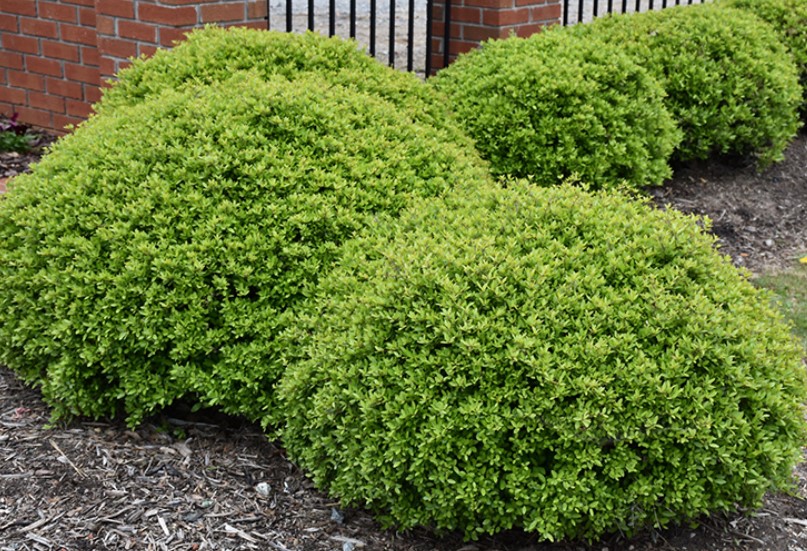
Yaupon holly (Ilex vomitoria) is an evergreen shrub or small tree native to the southeastern United States. It is best known as the plant behind yaupon tea, a naturally caffeinated drink made from its leaves.
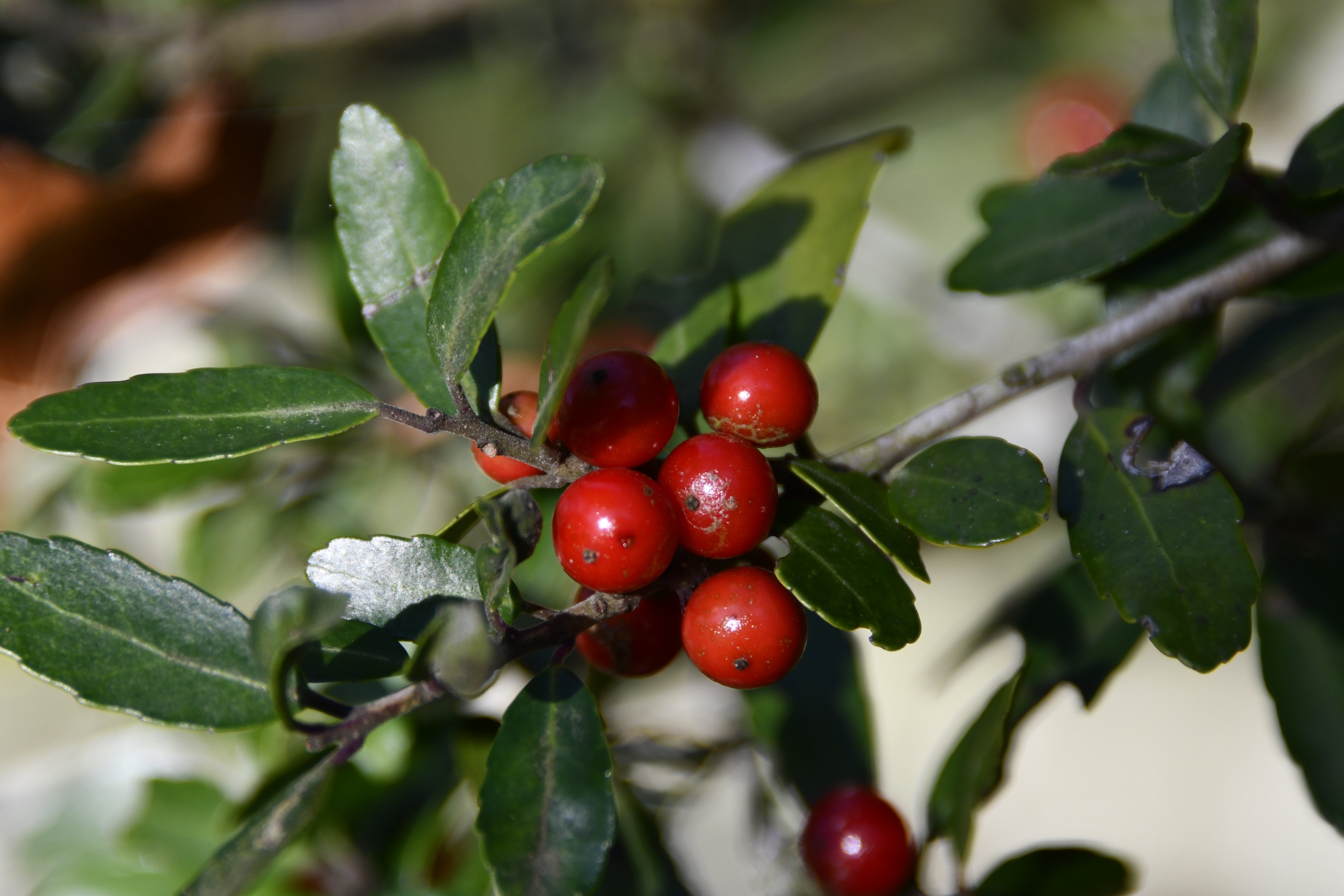
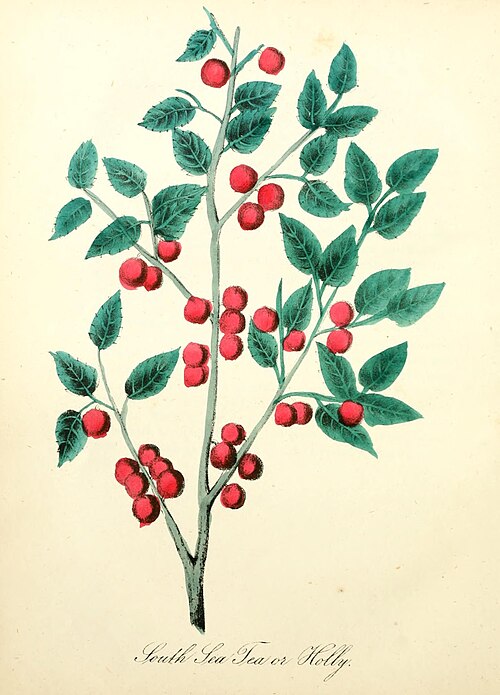
In the landscape, yaupon is easy to overlook. It has small leathery leaves, dense branching, smooth gray bark, and bright red berries on female plants. Across Texas, it appears along forest edges, creek corridors, coastal woodlands, fence lines, ranch edges, and understory habitats.
Yaupon is more than just a landscape shrub, it is a native beverage plant with a long cultural history, a real ecological role, and growing interest among producers, landowners, native plant advocates, and tea drinkers.
A Native Plant With Deep Roots
Yaupon is native to the coastal plains, forests, and woodlands of the southeastern United States. Its natural range extends from Virginia through the Carolinas, Georgia, Florida, the Gulf Coast, Texas, and parts of Oklahoma.
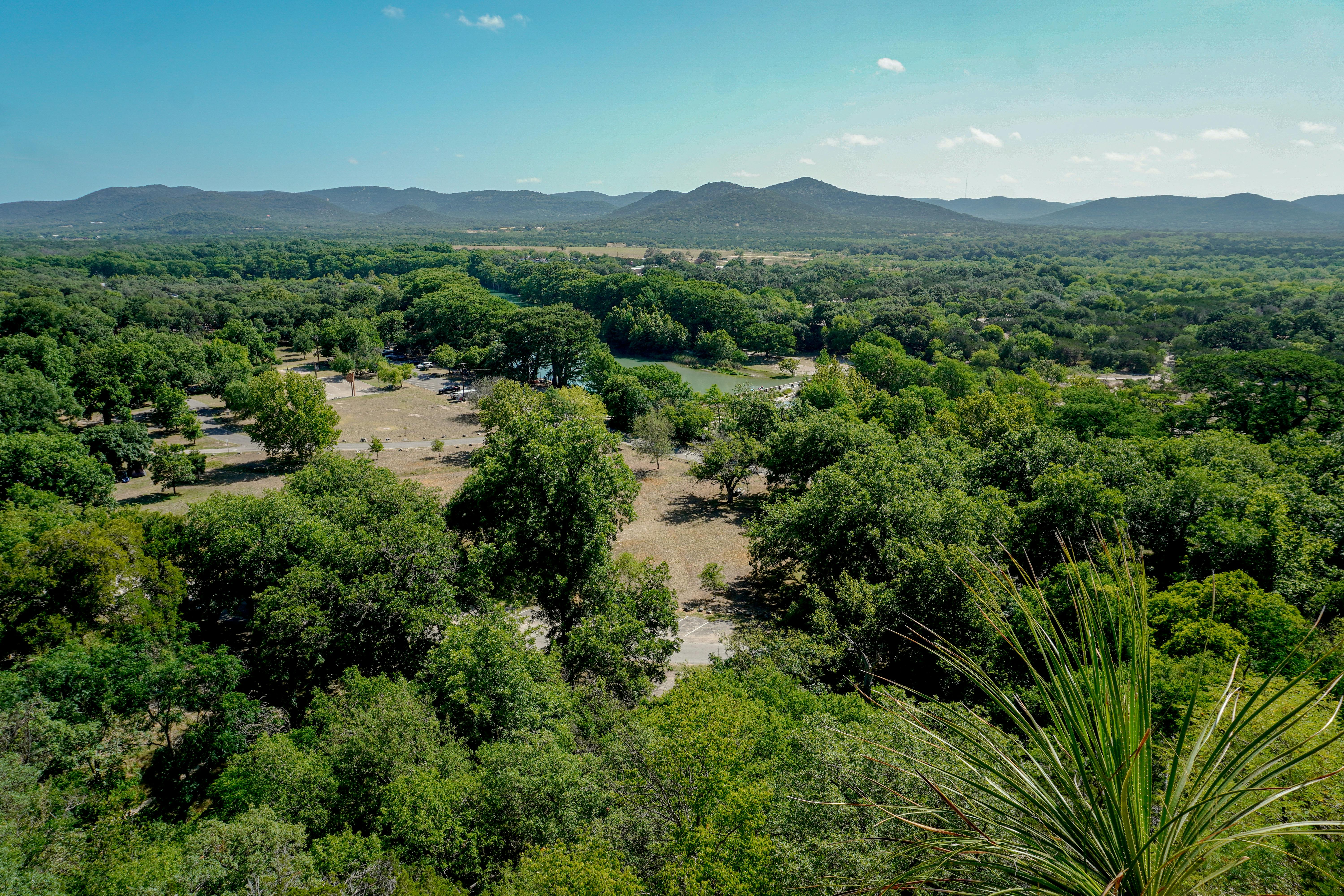
In Texas, yaupon is especially common in the eastern and coastal parts of the state. It thrives in the Piney Woods, growing beneath loblolly pine, shortleaf pine, oaks, sweetgum, and other hardwoods. It also appears along creeks, floodplains, live oak mottes, coastal thickets, sandy woodland margins, and transitional habitats near the Gulf Coast.
Part of yaupon's success comes from its adaptability. It tolerates:
Heat
Humidity
Drought
Poor soils
Partial shade
Periodic flooding
In landscapes where fire has been suppressed for long periods, yaupon can become especially dense in the understory.
Unlike imported tea crops, yaupon evolved in North American soils and climates. That local adaptation is one reason it remains such a familiar native shrub across much of Texas.
The Native Caffeinated Tea Plant of North America
Caffeine occurs naturally in only a limited number of plant groups. Coffee, tea, cacao, guarana, and yerba mate are among the best known. Yaupon belongs in that group but is native to North America.
Caffeine levels vary based on plant genetics, growing conditions, harvest timing, processing, leaf quantity, and brewing method. In general, yaupon is milder than coffee and closer to many traditional teas.
Yaupon also contains theobromine and theophylline, related compounds found in several caffeinated plants. These contribute to its chemical profile, though individual responses to caffeine vary widely.
When brewed, yaupon produces a tea-like infusion ranging
Indigenous History and Traditional Use
For centuries, Indigenous communities across the American South harvested yaupon leaves, prepared them, consumed them, and traded them through regional exchange networks. Historical accounts and archaeological evidence show that yaupon was part of social, ceremonial, diplomatic, and trade traditions across the Southeast and Gulf Coast.
European observers documented yaupon use among several Indigenous communities, though those accounts must be read carefully. Some emphasized ceremonial use, while others described hospitality, councils, or social drinking. Practices varied by region, time period, and community.
In coastal Texas, yaupon grew near bays, marshes, river systems, coastal woodlands, and live oak thickets. Indigenous communities in those landscapes likely knew the plant well. Groups associated with yaupon use include:
Cherokee
Choctaw
Chickasaw
Creek (Muscogee)
Seminole
Caddo
Karankawa
Documentation varies by group and location.
The phrase "Black Drink" comes from colonial accounts, not a universal Indigenous name. Some sources use terms such as cassina, while other communities had their own language-specific names.
For more on this history, see Indigenous Use of Yaupon.
Where Does Yaupon Grow in Texas?
Yaupon occurs naturally across much of eastern and central Texas, especially in places with woodland cover, seasonal moisture, and suitable habitat.
Common Texas regions for yaupon include:
East Texas and the Piney Woods
The Gulf Coast and coastal prairies
Coastal woodlands and live oak thickets
Riparian corridors and creek bottoms
The Post Oak Savannah
Portions of the Cross Timbers
Central Texas woodland edges and protected draws
In East Texas, yaupon often grows beneath pines and hardwoods in shaded understories. Along the coast, it forms dense stands in maritime woodlands, live oak mottes, and thickets near bays or estuaries. In Central Texas, it appears in sheltered drainages, limestone woodlands, and transitional zones where trees and brush intermingle.
Yaupon also spreads along fence lines, ranch edges, roadsides, and old fields where birds disperse the berries. In some areas, it becomes dense enough that land managers thin or remove it. Even then, it remains an important native species that contributes to cover, food, habitat structure, and wildlife value.
For more on distribution, see Where Does Yaupon Grow in Texas?.
What Does Yaupon Look Like?
Yaupon is fairly easy to identify once you know what to look for.
Most plants grow as dense evergreen shrubs about 1 to 5 meters tall, though older specimens can become small trees and occasionally reach 9 meters or more. Its shape depends on light, soil, fire history, browsing pressure, and pruning.
Key identification features include:
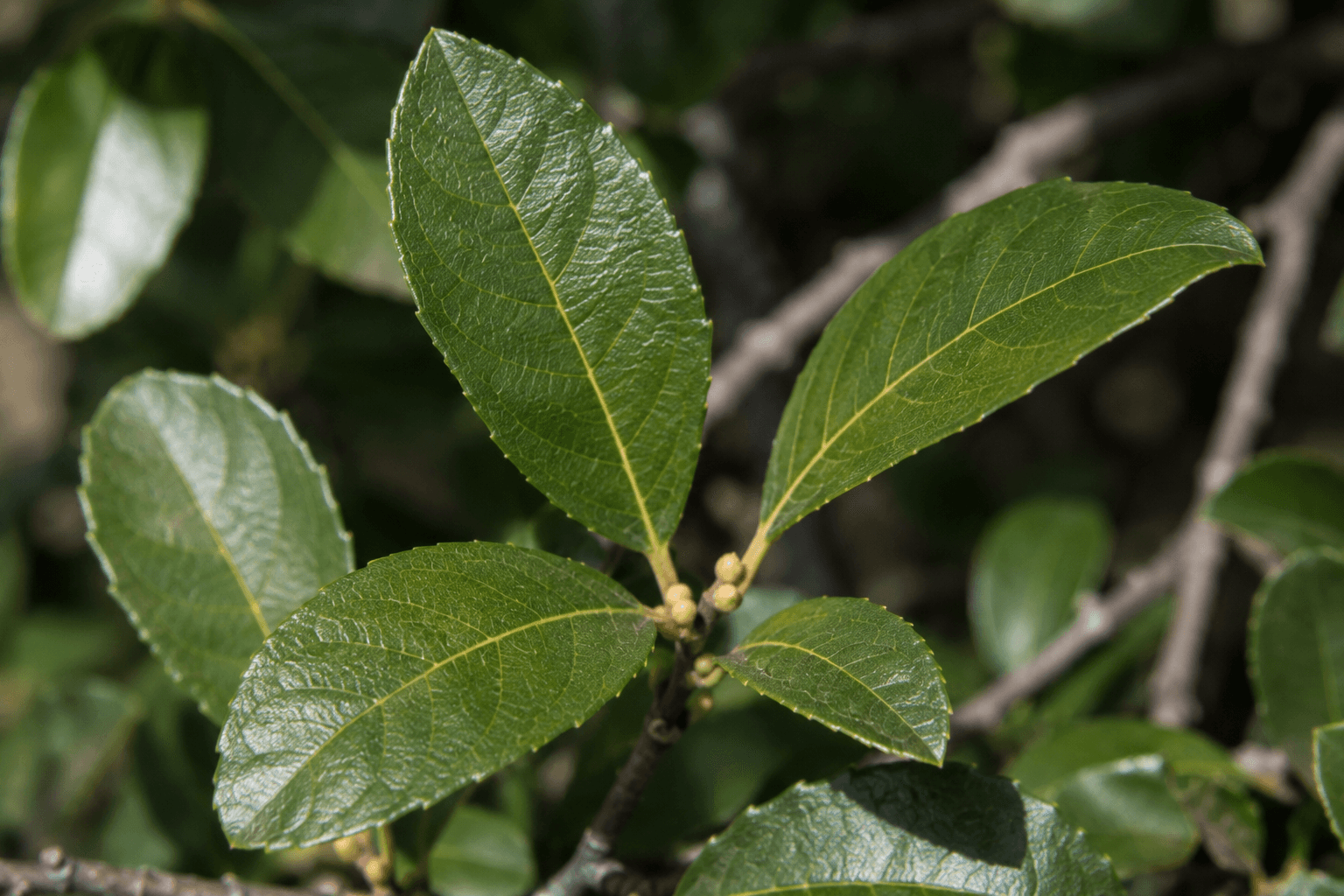
Small evergreen leaves: Oval, thick, glossy, and usually deep green. Unlike many hollies, they do not have sharp spines.
Bright red berries: Female plants produce clusters of red berries in fall and winter. These fruits often remain visible during colder months.
Dense branching: Yaupon commonly forms a tightly branched structure, creating thick cover for birds and small animals.
Smooth gray bark: Older stems often develop light gray bark that remains relatively smooth.
Year-round foliage: Because yaupon stays green through winter, it provides visual structure and ecological value throughout the year.
In Texas landscapes, yaupon is often easiest to spot in winter, when its evergreen leaves and red berries stand out against dormant vegetation.
Why Is Yaupon Important for Wildlife?
Yaupon is not only a beverage plant. It is also a valuable native wildlife species.
Female yaupon plants produce berries that ripen in fall and persist into winter. These berries provide food when other resources may be limited. Birds commonly associated with yaupon berries include cedar waxwings, American robins, mockingbirds, thrashers, and migratory songbirds.
Dense yaupon thickets also provide shelter. Birds, small mammals, reptiles, and other wildlife use the plant for cover, movement, and nesting habitat. Because yaupon stays evergreen, it continues offering structure even after many deciduous plants have dropped their leaves.
Its flowers are small. In spring, yaupon blooms attract native bees, honeybees, and other beneficial insects.
For more on its ecological role, see Yaupon in Texas Ecosystems.
How Is Yaupon Harvested?
Modern yaupon production usually begins with harvesting leaves and tender stems.
Depending on the producer, yaupon may be collected from wild stands, managed native landscapes, or cultivated plantings. Responsible harvesting focuses on selective cutting so plants can regrow and continue supporting habitat.
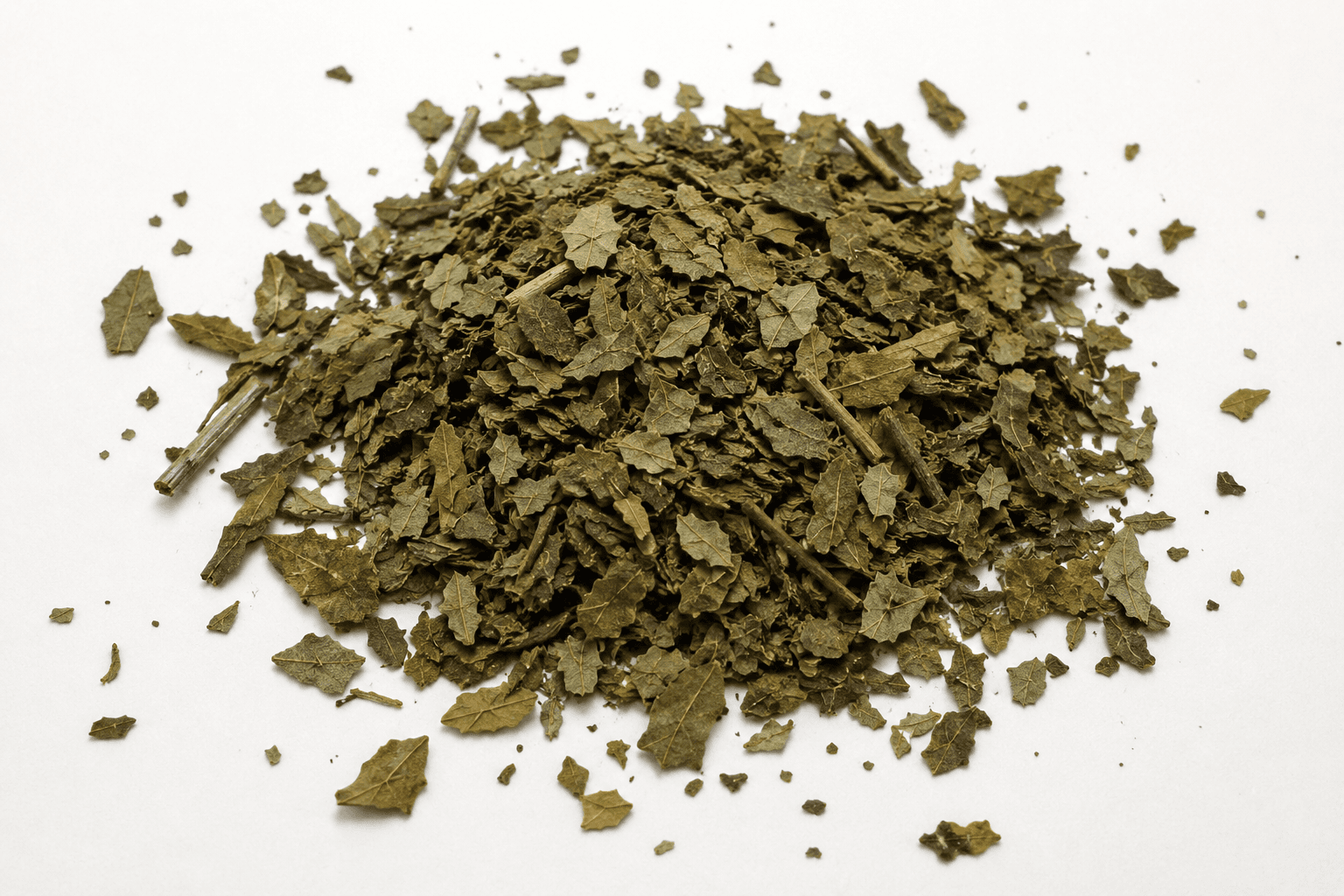
After harvest, leaves are cleaned, dried, and sometimes roasted. Processing has a major effect on flavor.
Green yaupon is dried with little or no roasting. It produces a brighter, lighter cup with grassy, herbal, or mildly sweet notes.
Roasted yaupon is heated after harvest or drying. This creates a darker color and deeper flavor, often described as earthy, toasted, smooth, or rich.
Finished yaupon may be sold as loose-leaf tea, tea bags, sachets, concentrates, or ready-to-drink beverages. Product quality depends on harvest timing, processing, storage, and producer skill.
For more on processing, see Harvesting & Processing and Roasted vs. Green Yaupon.
What Does Yaupon Taste Like?
Yaupon's flavor depends heavily on processing and brewing.
Green or lightly processed yaupon is bright, grassy, herbal, and mildly sweet. Some drinkers notice fresh green, vegetal, or hay-like notes.
Roasted yaupon tastes earthier, toastier, fuller, and more robust. Some cups bring notes of toasted grain, light caramel, roasted nuts, or mild black-tea-like depth.
Yaupon usually lacks the strong bitterness associated with roasted coffee. Many drinkers find it smooth and approachable, especially when brewed at moderate strength. Like coffee, wine, or traditional tea, yaupon can vary by growing region, harvest timing, processing method, and brewing technique.
For more on flavor, see What Does Yaupon Taste Like?.
How to Brew Yaupon
Yaupon is forgiving and simple to brew.
A basic starting point:
Use 1 teaspoon of loose yaupon per cup.
Pour hot water over the leaves.
Steep for 3 to 5 minutes.
Strain and drink plain, or adjust with honey, lemon, milk, or sweetener if preferred.
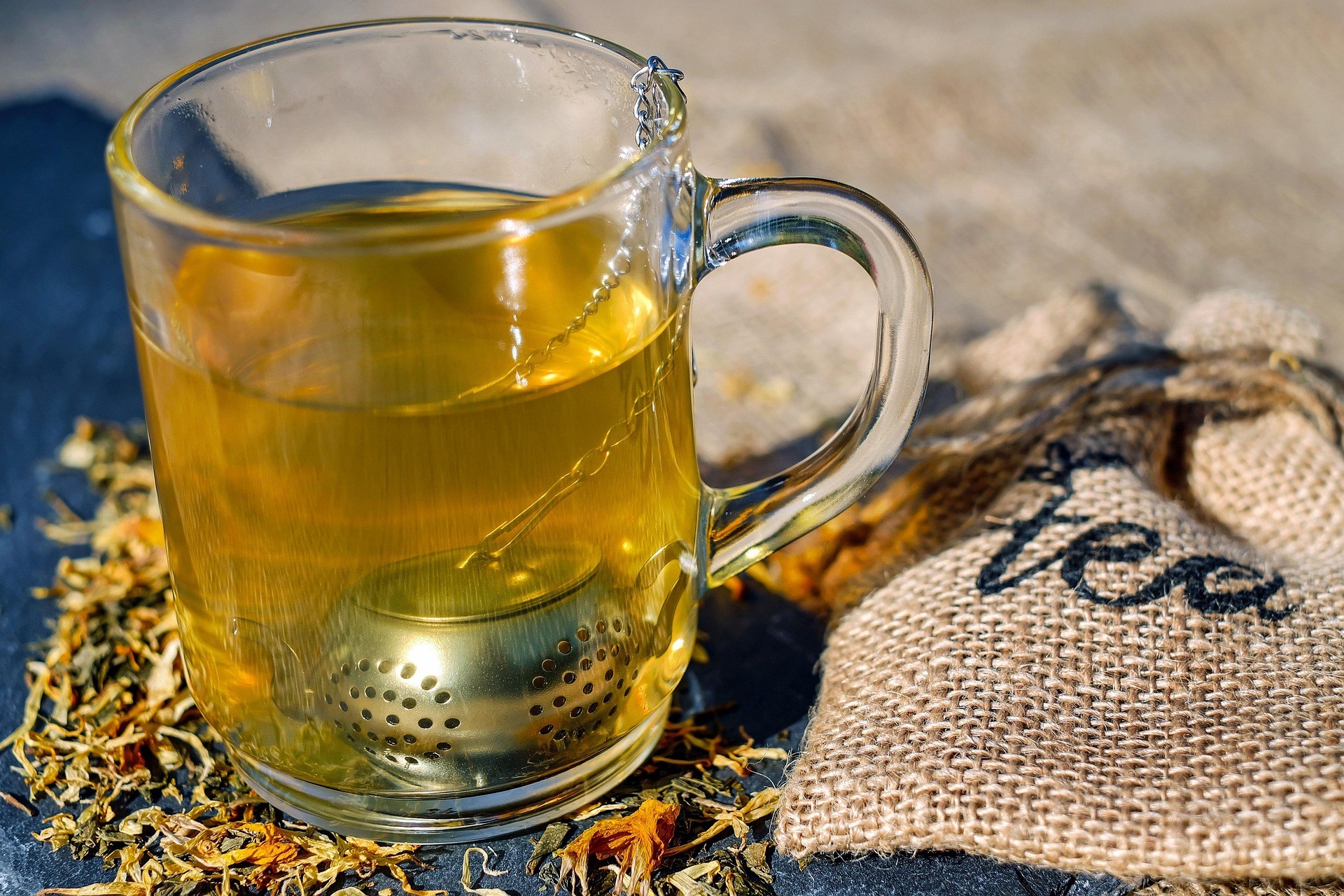
Yaupon can also be brewed stronger for iced tea, steeped cold in the refrigerator, or simmered gently in a decoction-style preparation. Many yaupon leaves can be re-steeped more than once, with later infusions producing a lighter cup.
Unlike some traditional teas, yaupon is less prone to harsh bitterness from longer steeping, though very strong preparations can still become intense.
For detailed instructions, see Brewing Guide: How to Prepare Yaupon Tea.
Safety Considerations
Yaupon tea is made from the leaves of the plant.
The red berries are not used for tea and should not be consumed. Anyone harvesting yaupon should be confident in plant identification and use only properly prepared leaves.
Because yaupon contains caffeine, people sensitive to caffeine or advised to limit intake should consider their total daily consumption. For most healthy adults, moderate caffeine intake is commonly considered up to about 400 mg per day, but individual tolerance and medical guidance vary.
For caffeine content, side effects, and common questions, see Is Yaupon Tea Safe?.
Why Is Yaupon Becoming More Popular?
For much of the 20th century, yaupon remained familiar as a plant but obscure as a beverage. That has changed in recent years.
Several trends have renewed interest:
Interest in native plants: Consumers and landowners are paying more attention to species that belong in local landscapes.
Sustainable agriculture: Native plants often require fewer inputs than crops grown outside their ideal conditions.
Food heritage: More people are curious about regional foods, traditional beverages, and overlooked local plants.
Alternative caffeine sources: Yaupon offers a caffeinated option that is not coffee, traditional tea, or yerba mate.
Regional identity: Yaupon has a distinctly Southern and North American story, appealing to people interested in place-based products.
Texas has been especially important in this renewed interest because the state contains large native populations and a growing network of producers, educators, landowners, and native plant advocates.
Can You Grow Yaupon at Home?
Yes. Yaupon can be grown in home landscapes in USDA hardiness zones 7–10.
It tolerates a wide range of soils, grows in full sun to partial shade, and is drought-tolerant once established. It can be planted as a shrub, hedge, small tree, wildlife plant, or tea plant.
Home growers interested in tea should choose yaupon carefully, avoid harvesting from treated plants, and allow shrubs to establish before collecting leaves. Both male and female plants can provide leaves for tea, but only female plants produce berries.
For cultivation details, see Growing Yaupon.
Why Texas Matters in the Yaupon Story
East Texas forests, Gulf Coast woodlands, river corridors, and Central Texas habitats all support natural yaupon populations. That gives the plant a strong connection to the state's landscapes, ecology, and history.
From native plant advocates and land stewards to farmers and beverage producers, Texans have helped bring renewed attention to yaupon. The plant is more than a caffeine source. It is part of the state's native plant communities, wildlife systems, and regional food conversation.
For more on the modern movement, see The Future of Texas Yaupon and Producers.
Conclusion
Yaupon is a distinctive and relatively unknown native plant in the American South.
It works in several ways at once: as a landscape shrub, a wildlife plant, a historic beverage, and a modern tea ingredient. Its leaves contain caffeine, its berries feed birds, and its flowers support pollinators. Its history connects Indigenous communities, regional trade, Texas landscapes, and today’s growing interest in native foods.
For Texans, yaupon is not just a plant that can be made into tea. It is a species already rooted in the places where people live, garden, ranch, restore habitat, and explore local food traditions.
It is not an imported crop looking for a home here. It already belongs.
Frequently Asked Questions
Is yaupon tea the same as yerba mate?
No. Both plants belong to the holly family and contain caffeine, but they are different species native to different regions. Yaupon is native to the southeastern United States; yerba mate is native to South America.
Does yaupon naturally contain caffeine?
Yes. Yaupon naturally contains caffeine and is widely recognized as North America's native caffeinated tea plant.
Where does yaupon grow in Texas?
Yaupon is most common in East Texas, the Piney Woods, Gulf Coast habitats, riparian corridors, the Post Oak Savannah, and portions of Central Texas.
Can you make tea from yaupon leaves?
Yes. Leaves are harvested, processed, dried, and brewed into a naturally caffeinated beverage.
How much caffeine is in yaupon?
Caffeine levels vary based on the plant, growing conditions, processing method, leaf quantity, and brewing strength. Generally, yaupon contains less caffeine than coffee and a similar amount to many teas.
Is yaupon safe to drink?
Yaupon tea is commonly consumed when made from properly prepared leaves. The red berries are not used for tea and should not be consumed. People sensitive to caffeine should consider their total daily intake.
Can you grow yaupon at home?
Yes. Yaupon grows in USDA zones 7–10. It is drought-tolerant once established and grows in full sun to partial shade.
What is the difference between roasted and green yaupon?
Green yaupon is dried with little or no roasting and has a bright, grassy, herbal flavor. Roasted yaupon is darker, toastier, earthier, and fuller-bodied.
Sources and Further Reading
USDA Plants Database – Ilex vomitoria
https://plants.usda.gov/home/plantProfile?symbol=ILVOUSDA Forest Service – FEIS – Ilex vomitoria
https://www.fs.usda.gov/database/feis/plants/shrub/ilevom/all.htmlLady Bird Johnson Wildflower Center – Native Plant Database https://www.wildflower.org/plants/result.php?id_plant=ILVO
Texas A&M Forest Service – Texas Tree ID: Yaupon Holly http://texastreeid.tamu.edu/content/treedetails/?id=49
North Carolina Extension Gardener Plant Toolbox – Ilex vomitoria
https://plants.ces.ncsu.edu/plants/ilex-vomitoria/
About

Featured Posts

Explore Topics