Roasted vs Green Yaupon: Understanding the Two Main Styles
Learn the differences between roasted and green yaupon, including flavor, aroma, appearance, and brewing characteristics. Discover which style may best match your taste preferences and why processing plays such an important role in the final cup.
Texas Yaupon Editorial Team
Reading Time: 5 minutes
Category: Brewing & Flavor
Updated: June 2026
Meta Description: Compare roasted and green yaupon to understand their differences in flavor, aroma, appearance, and brewing. Choose the style that matches your taste preferences.
Key Takeaways
Yaupon tea is commonly sold in two primary styles: roasted and green (unroasted).
Roasting changes the flavor, aroma, and appearance of yaupon leaves.
Green yaupon typically has brighter, more vegetal flavors.
Roasted yaupon often develops richer, toastier notes.
Neither style is inherently better; preference depends on taste and brewing goals.
Introduction
When choosing between roasted and green yaupon, the biggest challenge is deciding which style suits you best. Both come from the same native North American plant (Ilex vomitoria), but different processing methods create distinctly different flavor profiles, aromas, appearances, and brewing experiences.
Green yaupon is often described as bright, herbal, and refreshing, while roasted yaupon develops deeper, toastier flavors with a warmer character.
This guide explains the differences between roasted and green yaupon, helping you choose based on taste and brewing goals.
What Is the Difference Between Roasted and Green Yaupon?
Green yaupon is dried with little or no roasting, preserving its fresh, herbal character. Roasted yaupon undergoes an additional heating step that creates toastier aromas, darker leaves, and a deeper flavor profile.
Both styles come from the same plant, but the roasting process changes how the finished tea looks, smells, and tastes.
Roasted vs Green Yaupon Comparison Table
Feature | Green Yaupon | Roasted Yaupon |
Flavor | Herbal, bright, vegetal, lightly sweet | Toasty, warm, earthy, mildly nutty |
Aroma | Fresh, grassy, plant-like | Toasted, rich, with light roasted notes |
Appearance | Green to olive-colored leaves | Brown to dark brown leaves |
Brew Color | Lighter-colored infusion | Darker-colored infusion |
Typical Preferences | Those who enjoy green tea or herbal infusions | Those who enjoy roasted teas, coffee-like beverages, or fuller-bodied herbal drinks |
A Brief Historical Context
Modern roasted and green yaupon styles are contemporary interpretations of a plant with a long history in North America. Indigenous peoples of the southeastern United States used yaupon for generations, and the plant later became part of regional beverage traditions. Today's roasted and green products reflect different modern processing approaches rather than separate historical categories.
What Is Green Yaupon?
Green yaupon refers to leaves that are dried with little or no roasting after harvest. The goal is to preserve the plant's natural character.
When brewed, green yaupon produces a lighter infusion with flavors described as:
Grassy
Herbal
Bright
Fresh
Slightly sweet
Some compare green yaupon to green tea, though the flavors are distinct.
Because processing methods vary between producers, flavor profiles can differ significantly from one brand to another.
What Is Roasted Yaupon?
Roasted yaupon undergoes an additional heating process after harvest and drying. During roasting, leaves develop darker colors and more complex aromas.
The resulting tea is often described as having notes of:
Toasted grain
Caramel
Earthiness
Light roasted notes
Mild nuttiness
Many first-time drinkers find roasted yaupon familiar because its flavor profile shares some characteristics with roasted teas and certain coffee notes.
Roasting degree varies by producer—some products are lightly toasted, while others develop deeper roasted characteristics.
How Roasting Changes Flavor
Roasting changes plant chemistry through heat. As temperatures rise, naturally occurring compounds begin to transform, creating new aromas and flavors.
The process generally reduces some of the fresh, green characteristics while introducing richer and more developed flavors.
This explains why roasted yaupon tastes warmer and fuller than green yaupon, even though both come from the same species.
Does Roasting Affect Caffeine?
Many assume roasting dramatically changes caffeine. In practice, it's more complicated.
Caffeine occurs naturally in yaupon leaves, and both roasted and green products contain it. Actual caffeine levels depend on numerous factors, including harvest timing, leaf selection, processing methods, and brewing technique.
Since production methods differ, it's difficult to make broad claims about caffeine differences between roasted and green yaupon.
Appearance Differences
You can often visually distinguish the two styles.
Green yaupon generally contains:
Green to olive-colored leaves
Lighter plant material
A fresher appearance
Roasted yaupon typically contains:
Brown to dark brown leaves
Darker fragments
A more toasted appearance
Once brewed, roasted yaupon often produces a darker cup, while green yaupon tends to create a lighter-colored infusion.
Which Style Is Better?
Neither style is objectively superior.
People who enjoy bright, herbal flavors often gravitate toward green yaupon. Those who prefer deeper, richer flavors may favor roasted yaupon.
Some enthusiasts keep both on hand and choose between them depending on the season, time of day, or brewing method.
For those new to yaupon, sampling both styles is often the best way to discover preferences.
Which Style Should Beginners Try First?
If you're new to yaupon, your beverage preferences can serve as a useful starting point.
You may want to begin with green yaupon if you typically enjoy:
Green tea
Herbal infusions
Lighter, fresher-tasting beverages
You may want to begin with roasted yaupon if you typically enjoy:
Roasted teas
Coffee
Fuller-bodied herbal drinks
There's no universally correct choice. Since both come from the same plant, many beginners try each to understand how processing influences flavor and aroma.
Brewing Considerations
Both styles can be prepared using similar brewing techniques, though results may differ.
Green yaupon often highlights freshness and herbal character when brewed lightly. Roasted yaupon may showcase its deeper flavors with longer steep times or stronger preparations.
Cold brewing can also reveal different characteristics, with green yaupon often tasting especially refreshing and roasted yaupon producing a smoother, richer profile.
As with coffee and traditional tea, experimentation is part of the experience.
Conclusion
Roasted and green yaupon are two distinct expressions of the same native North American plant. Green yaupon emphasizes freshness, herbal character, and brightness, while roasted yaupon highlights warmth, depth, and toasted flavors.
Neither style defines yaupon on its own. Together, they demonstrate the versatility of a plant that has been part of the southeastern landscape for centuries. For many drinkers, trying both styles provides the clearest understanding of how processing can shape yaupon tea's flavor and character.
About

Featured Posts


Explore Topics


Related Post
Jun 3, 2026
Curious what yaupon tastes like? Learn how green and roasted yaupon compare, the flavors most drinkers notice, and why North America's only native caffeinated plant offers a taste experience unlike coffee, tea, or yerba mate.
Jun 1, 2026
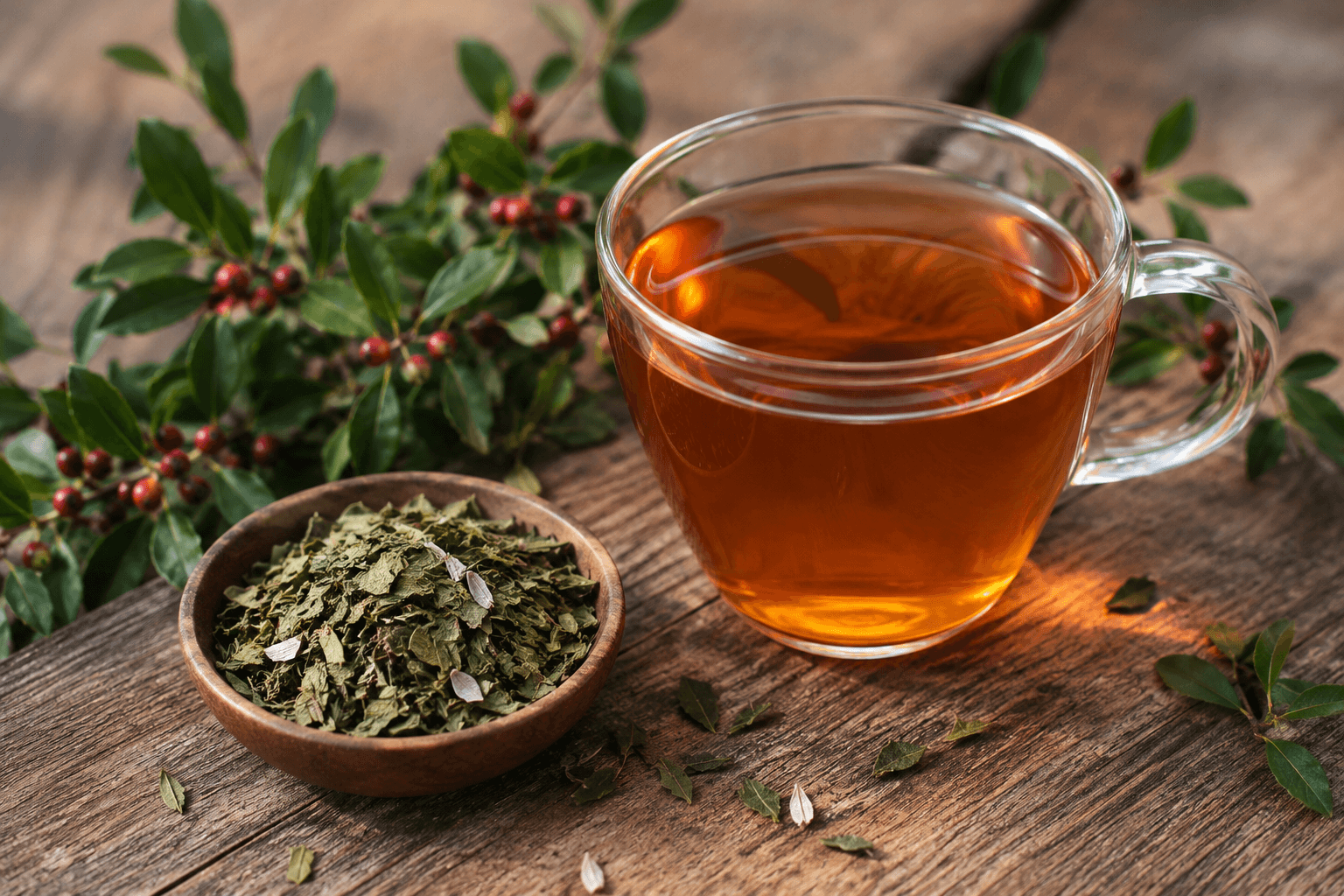
Learn how to brew yaupon tea using hot, iced, and cold brew methods. Discover recommended steeping times, water temperatures, flavor differences between roasted and unroasted yaupon, and tips for preparing the perfect cup.