Texas Yaupon Producers: Building the Modern Native Tea Industry
Texas has become the center of the modern yaupon industry. Learn how producers such as CatSpring Yaupon, Lost Pines Yaupon, and emerging regional brands are helping revive North America's only native caffeinated plant through sustainable harvesting, education, and innovative products.
Texas Yaupon Editorial Team

Reading Time: 6 minutes
Category: Industry & Producers
Updated: June 2026
Key Takeaways
Texas is one of the centers of the modern commercial yaupon industry.
A small group of dedicated producers harvests, processes, and sells much of the yaupon available to modern consumers.
Companies vary in how they harvest, roast, source, and develop products.
Interest in native and regional foods has helped support the industry's revival.
The yaupon industry is small but growing steadily.
Yaupon's Return to Commercial Markets
Yaupon was consumed by Indigenous peoples throughout the American Southeast for centuries. Despite its long history, the plant remained largely absent from commercial markets for much of the twentieth century.
In the early 2000s, researchers, entrepreneurs, and conservation-minded landowners began rediscovering yaupon's potential. Interest in native foods, regional agriculture, and alternative caffeinated beverages helped introduce yaupon to a new generation of consumers.
Today, Texas serves as the center of the modern yaupon industry, home to many companies that reintroduced yaupon to contemporary consumers. While still small compared to coffee or traditional tea, a growing number of producers are working to bring North America's only native caffeinated plant to a wider audience.
The Modern Yaupon Revival
The resurgence of yaupon did not happen overnight.
For decades, the plant was largely overlooked outside of landscaping and wildlife management circles. Many landowners viewed it as an undesirable shrub and often removed it during brush-clearing operations.
As awareness of native foods and sustainable agriculture grew, interest in yaupon gradually returned. Researchers highlighted its unique caffeine content, historical significance, and ecological value. Entrepreneurs recognized an opportunity to create products rooted in regional identity and American heritage.
By the 2010s, commercial yaupon products began appearing in specialty food stores, coffee shops, and online marketplaces. What was once a largely forgotten plant became the foundation of a small but growing industry.
Texas as a Center of the Yaupon Industry
Although yaupon naturally occurs throughout much of the southeastern United States, Texas has emerged as the industry's primary hub.
Several factors contribute to Texas's leadership:
Extensive native yaupon populations
Strong agricultural traditions
Growing consumer interest in Texas-made products
Large areas suitable for sustainable harvesting
A culture that values regional food and beverage traditions
Many of today's best-known yaupon companies either originated in Texas or maintain significant operations there.
Texas plays a major role in shaping public awareness of yaupon and influencing how the industry develops.
Notable Texas Yaupon Producers
CatSpring Yaupon
CatSpring Yaupon, based in Cat Spring, Texas, is one of the most recognizable names in the modern yaupon industry. The company helped introduce many consumers to yaupon through roasted and traditional tea-style products sourced from native Texas plants.
Their product line includes multiple roast levels—green (unroasted), lightly roasted, and dark roasted—each highlighting different flavor characteristics. CatSpring Yaupon sources from native stands and has been instrumental in educating consumers about yaupon's history and flavor profile through farmers' markets, online sales, and retail partnerships.
Lost Pines Yaupon
Lost Pines Yaupon, founded near Bastrop, focuses heavily on sustainable harvesting practices and educating consumers about yaupon's history and ecological benefits.
Their approach stresses wild harvesting from naturally occurring stands, which can help maintain native habitats while utilizing an abundant local resource. Lost Pines Yaupon offers both green and roasted varieties and has become known for its transparency about sourcing and production methods.
Emerging Regional Producers
Beyond these established names, a growing number of smaller regional yaupon producers and beverage makers are entering the market. Newer brands along the Gulf Coast and in Central Texas are experimenting with innovative formats, including sparkling yaupon drinks, ready-to-drink canned beverages, and herb- or botanical-blended offerings.
Farmers' markets in Austin, Houston, San Antonio, and Dallas increasingly feature yaupon products, reflecting rising local interest. These smaller producers contribute to growing awareness while offering consumers more variety in flavor profiles and product formats.
Different Approaches to Production
Not all yaupon producers operate in the same way.
Some producers focus on wild harvesting, collecting leaves from naturally occurring yaupon stands, while others are exploring cultivated production systems. Wild harvesting can help maintain native habitats while utilizing an abundant local resource, whereas cultivation may offer greater consistency and long-term supply stability.
Processing methods also vary. Producers offer a range of processing styles, from green and lightly roasted yaupon to darker roasts and ready-to-drink beverages.
These differences create a wide range of flavor profiles, from grassy and herbal to rich, nutty, and coffee-like.
Challenges Facing Producers
Despite growing interest, yaupon producers face several challenges.
Consumer Awareness
The largest obstacle remains simple recognition. Most consumers have never heard of yaupon, making education an essential part of marketing.
Many Texas producers spend significant time at farmers' markets, food festivals, and tasting events simply answering the question, "What exactly is yaupon?"
Product Category Confusion
Many people are unsure whether yaupon should be viewed as a tea, an herbal infusion, a coffee alternative, or an entirely separate beverage category.
Producers also spend effort explaining how yaupon differs from traditional tea and coffee.
Supply and Processing
As demand grows, producers must balance sustainable harvesting practices with reliable production volumes. Developing processing infrastructure and distribution networks can also be challenging for smaller companies.
Competition
Yaupon competes with deeply established industries that have global supply chains, extensive marketing budgets, and generations of consumer familiarity.
Building awareness takes time.
Opportunities for Growth
Although these challenges exist, awareness of yaupon appears to be higher today than at any point in the last century.
Several trends support continued expansion:
Interest in Native Foods
Consumers increasingly seek products with strong regional identities and connections to local ecosystems.
Sustainability
Yaupon is native, drought-tolerant, and already adapted to much of its natural range. These characteristics align with growing interest in environmentally responsible agriculture.
Texas Heritage
Yaupon has a strong connection to Texas landscapes and history, which gives producers a story that is easier to explain locally than nationally.
For many Texans, there's something appealing about drinking a caffeinated beverage that grows naturally from the Piney Woods to the Gulf Coast rather than being imported from another continent.
Product Innovation
New formats, including sparkling beverages, concentrates, cold brews, and functional drinks, continue to introduce yaupon to audiences who may never purchase traditional loose-leaf tea.
Where the Industry Stands Today
Consumer awareness of yaupon is gradually increasing. Specialty retailers in Texas and across the Southeast are carrying more yaupon products, and new beverage formats continue to reach consumers through online channels and regional distribution.
Producers remain focused on consumer education, attending farmers' markets and tasting events to introduce yaupon to new audiences. As more people encounter yaupon products and learn about its history, the market continues to expand at a measured pace.
Conclusion
Texas sits at the center of the modern yaupon revival.
The producers working with this native holly are doing more than selling tea. They are helping reintroduce a forgotten American plant to contemporary consumers while building an industry rooted in history, ecology, and regional identity.
From established names like CatSpring Yaupon and Lost Pines Yaupon to newer local brands experimenting with innovative products, Texas producers remain at the forefront of the modern yaupon revival. Whether yaupon ultimately achieves widespread recognition or remains a regional specialty, the companies cultivating, harvesting, and promoting this native plant are helping preserve an important part of North American botanical and cultural history.
About

Featured Posts

Explore Topics


Related Post
Jun 3, 2026
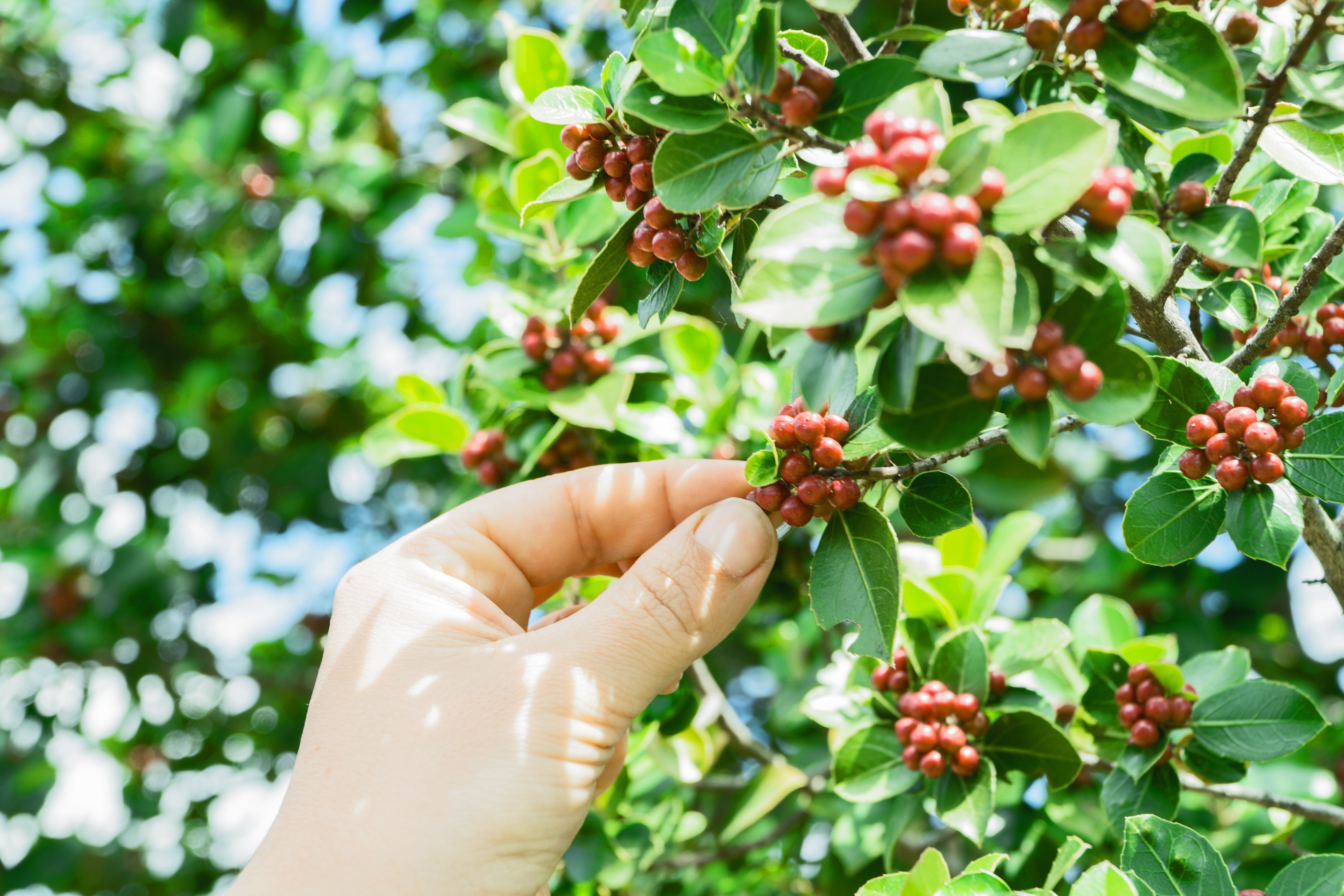
Learn how yaupon tea travels from native Texas shrub to finished beverage. Explore harvesting methods, drying, roasting, processing, and the challenges of building a modern yaupon industry.
Jun 1, 2026
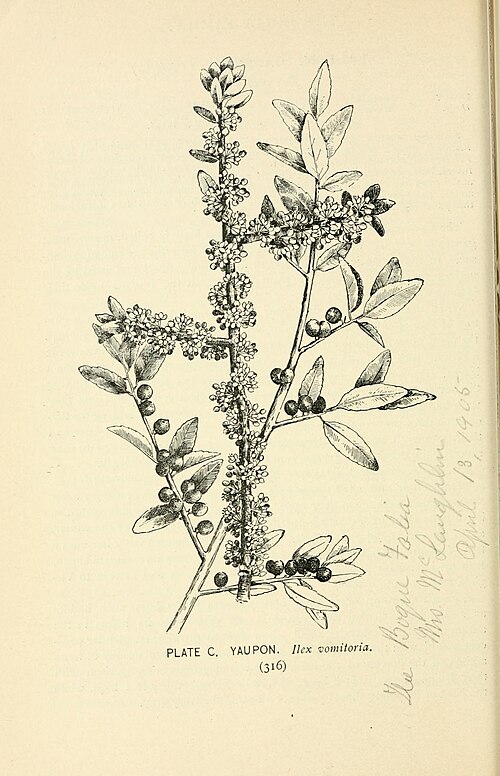
Yaupon tea is experiencing a modern revival across Texas and the American South. Explore the opportunities, challenges, and long-term trends shaping the future of North America's only native caffeinated plant.

Jun 1, 2026
Yaupon currently has no industry-wide certification system, but future standards could help improve authenticity, traceability, product quality, and consumer confidence. Explore the opportunities and challenges of certification in the growing yaupon industry.