Yaupon vs. Coffee vs. Tea: What Makes This Native Plant Unique?
Explore the differences between coffee, tea, and yaupon, including caffeine levels, flavor profiles, growing regions, brewing methods, and the unique history of North America's only native caffeinated plant.
Texas Yaupon Editorial Team
Reading Time: 6–7 minutes
Category: Basics
Updated: May 2026
Yaupon vs. Coffee vs. Tea: What Makes This Native Plant Unique?
Key Takeaways
Coffee, tea, and yaupon are all naturally caffeinated beverages, but they come from different plants, different places, and different traditions. Coffee is made from roasted seeds, while tea and yaupon are brewed from leaves.Yaupon is native to the American South and is widely recognized as North America’s native caffeinated tea plant.
Yaupon typically contains less caffeine than coffee and falls closer to many traditional teas, though the exact amount depends on how it is processed and brewed. Flavor, preparation, growing conditions, and cultural history all set yaupon apart from coffee and tea.
Introduction
Coffee and tea are familiar to most people. Yaupon usually isn’t, even though it belongs in the same broad conversation: naturally caffeinated plants brewed for everyday use.
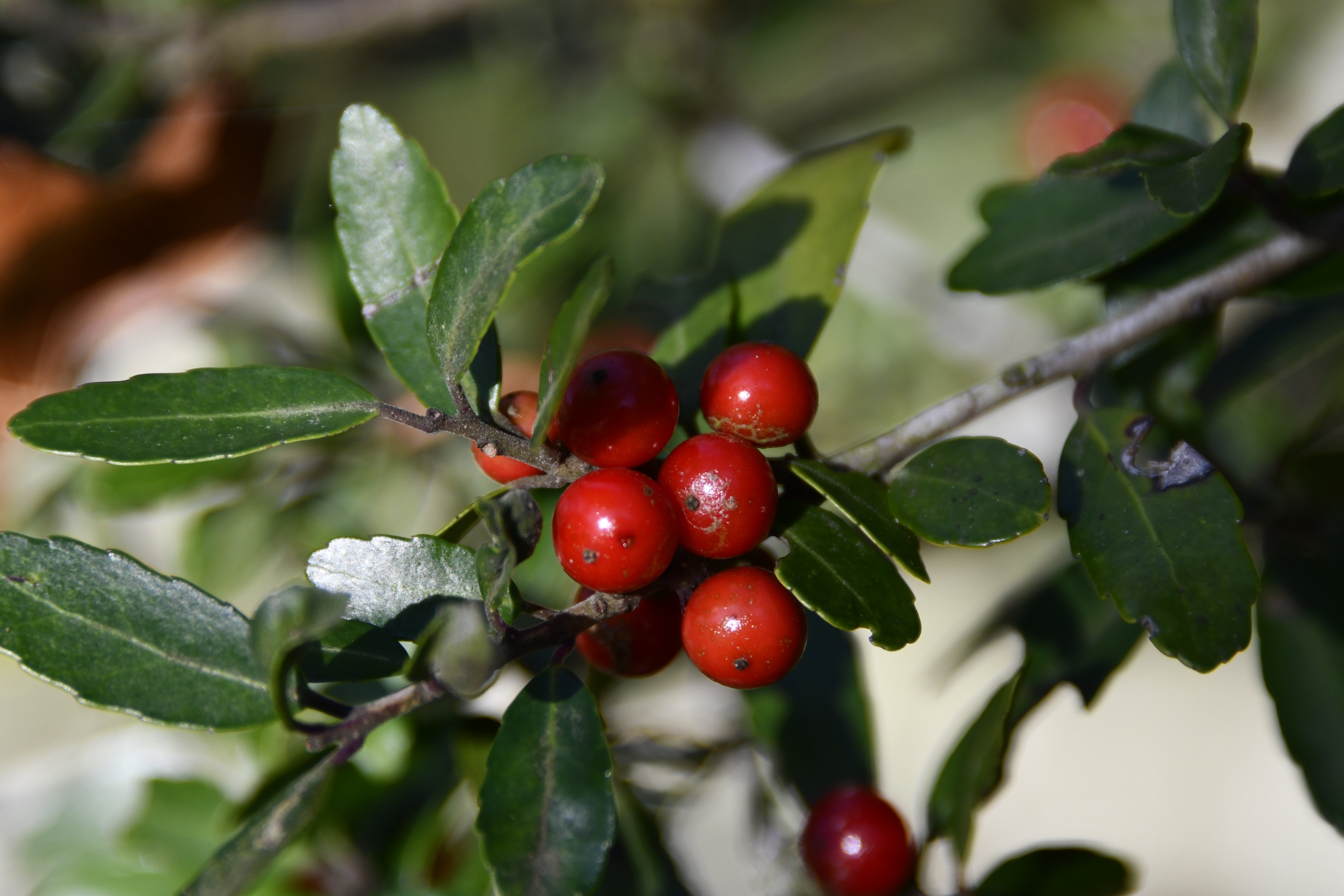
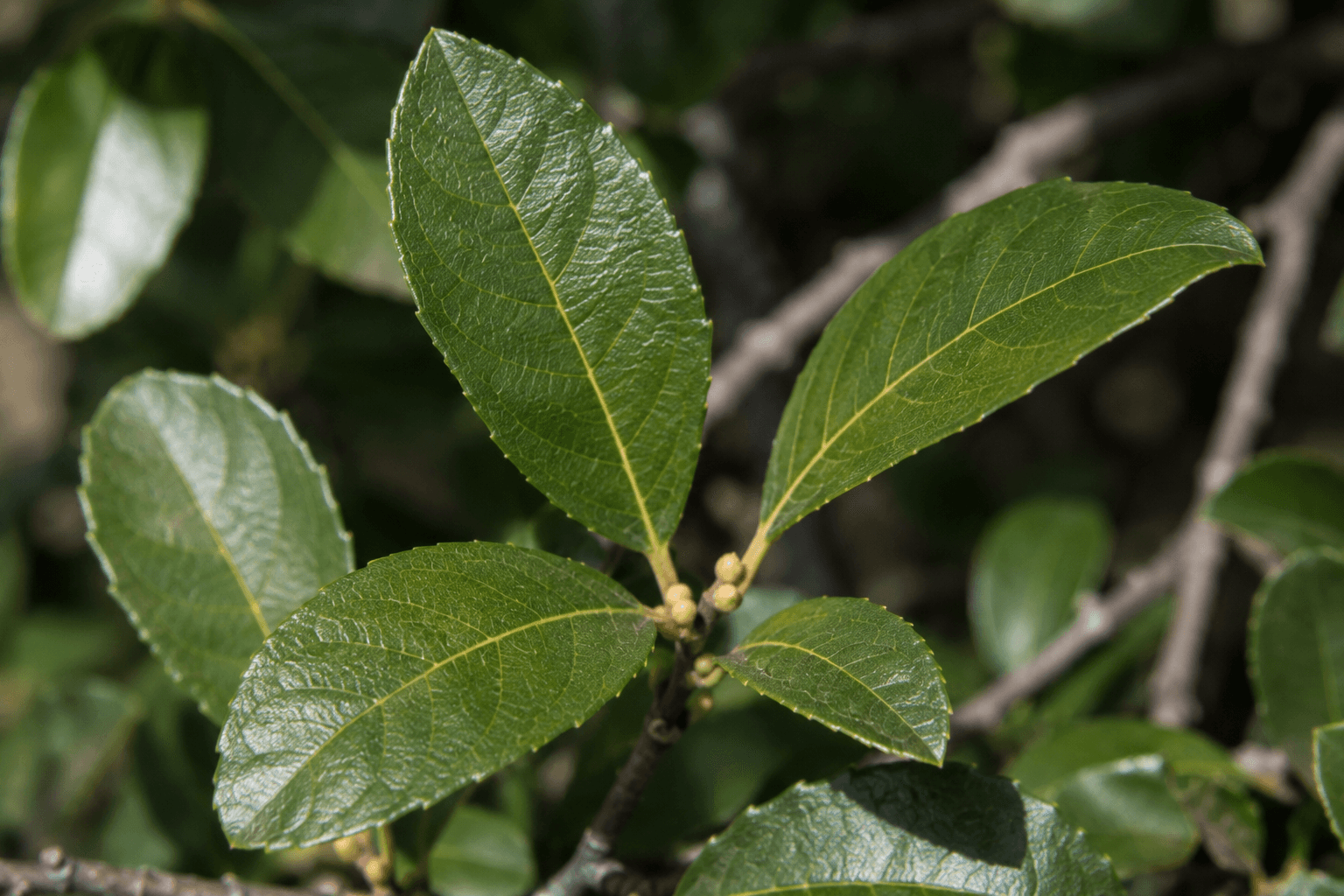
The difference starts with the plant itself. Coffee comes from roasted seeds of Coffea species. Traditional tea comes from the leaves of Camellia sinensis. Yaupon comes from the leaves of Ilex vomitoria, an evergreen holly native to the southeastern United States and widely recognized as North America’s native caffeinated plant.
That makes yaupon interesting on its own terms. It is not simply a coffee replacement or a tea substitute. It has its own flavor, caffeine profile, growing habits, and cultural history.
If you're new to the plant, see What Is Yaupon? and History of Yaupon in Texas for additional background.
At a Glance
Beverage | Source Plant | Plant Part Used | Typical Caffeine (240 mL) | Native Region |
Coffee | Coffea spp. | Seed ("bean") | ~95–100 mg | Africa |
Tea | Camellia sinensis | Leaf | ~30–90 mg | Asia |
Yaupon | Ilex vomitoria | Leaf | ~40–60 mg | Southeastern United States |
Caffeine varies by product, serving size, leaf quantity, roast level, and brewing method, so these numbers are best treated as general comparisons rather than fixed values.
Origins
Coffee, tea, and yaupon originate from entirely different plants and regions of the world.
Coffee
Coffee, tea, and yaupon come from entirely different plants and regions. Coffee is produced from the seeds of plants in the Coffea genus, which are processed, roasted, ground, and brewed after harvest. Major coffee-producing regions include Brazil, Colombia, Ethiopia, Vietnam, and parts of Central America.
Traditional tea comes from Camellia sinensis, a plant native to East Asia. Green, black, white, oolong, and pu-erh teas all come from the same species; the differences come from how the leaves are processed. Major tea-producing regions include China, India, Japan, Sri Lanka, and Kenya.
Yaupon comes from Ilex vomitoria, an evergreen holly native to the southeastern United States. Its range spans the Gulf and Atlantic Coastal Plains, including Texas, Louisiana, Florida, Oklahoma, and other parts of the American South. Unlike coffee and tea, yaupon evolved in North America and is still closely tied to the landscapes where it naturally grows.
For more on its distribution, see Where Does Yaupon Grow in Texas?.
Caffeine Profile
All three beverages contain caffeine, but the amounts vary depending on preparation, serving size, and processing. A standard 8-ounce cup of brewed coffee is often around 95 to 100 mg of caffeine, while black tea commonly lands in the 40 to 70 mg range and green tea in the 20 to 45 mg range. Yaupon is often described in the 40 to 60 mg range per serving, though some sources put it lower or higher depending on the product.
Yaupon also contains theobromine and theophylline, which are related stimulants that shape its overall effect and profile. Many drinkers describe the experience as smoother than coffee, but individual responses to caffeine vary widely.
Flavor Profiles
One of the easiest ways to understand the difference between these beverages is by taste. Coffee is usually associated with roasted, bitter, chocolatey, or nutty notes, though specialty coffees can also bring fruit and floral aromas.
Tea can range from delicate and grassy to rich and malty, depending on the type and processing. Common flavor descriptions include floral, herbal, earthy, vegetal, sweet, and smoky.
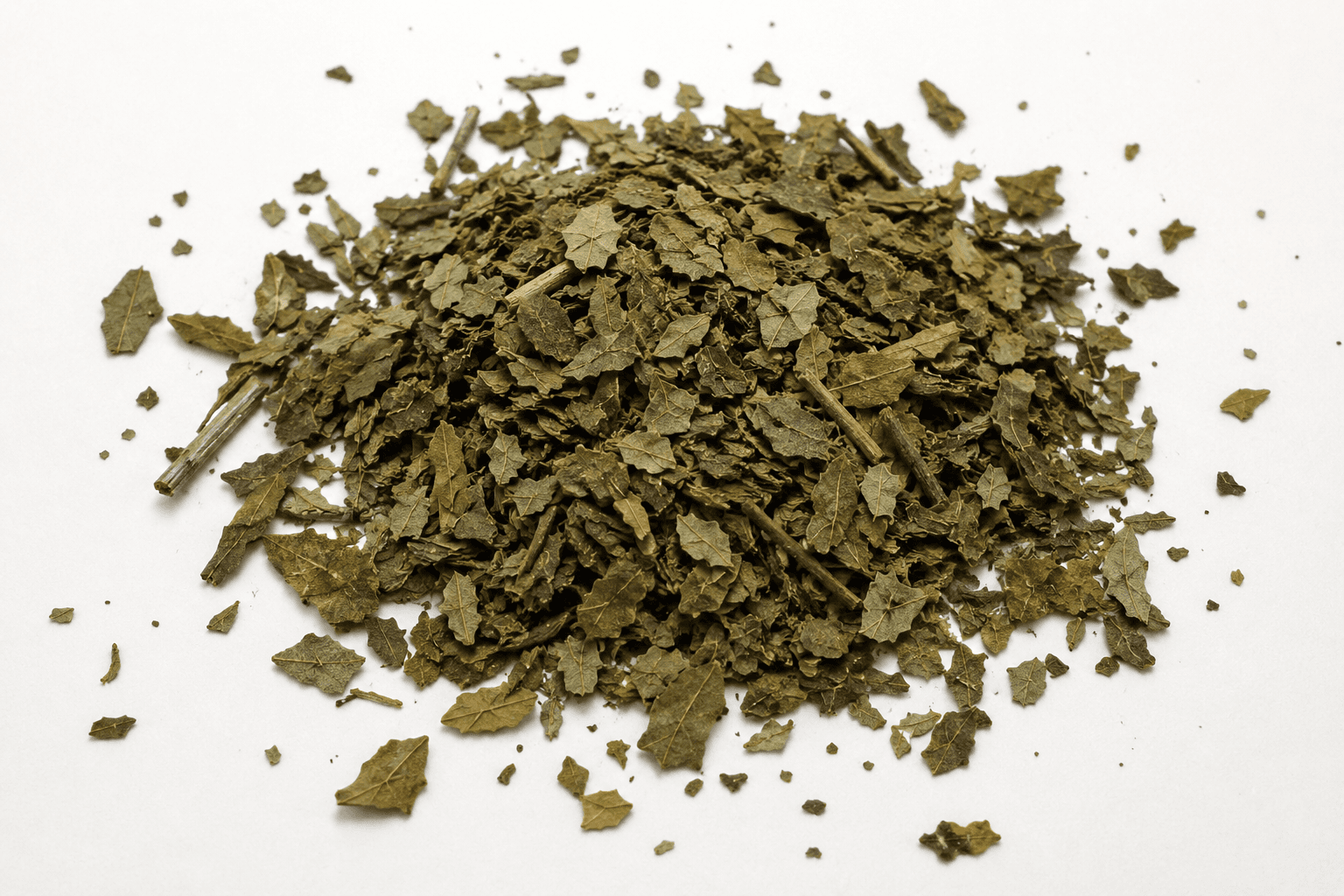
Yaupon changes noticeably with processing. Unroasted yaupon is often described as bright, herbal, grassy, and mildly sweet. Roasted yaupon tends to taste earthier, toastier, smoother, and richer.
In practice, coffee usually feels heavier and more roasted, tea can lean delicate or tannic, and yaupon often sits somewhere lighter and smoother. Green yaupon tends to be more herbal, while roasted yaupon leans into toasted, earthy notes.
For a deeper comparison, see Roasted vs. Green Yaupon.
How They Grow
Each plant thrives under different conditions. Coffee generally requires tropical or subtropical climates with relatively stable temperatures and consistent rainfall. Tea grows best in humid regions with steady moisture and carefully managed cultivation.
Yaupon, by contrast, evolved in the southeastern United States and is naturally adapted to heat, humidity, drought, poor soils, coastal conditions, and even periodic flooding. That resilience is one reason it is drawing renewed attention from growers and land managers.
For more on cultivation, see Can You Grow Your Own Yaupon Tea Plant?.
History and Use
The histories of coffee, tea, and yaupon are as different as the plants themselves. Coffee became a global commodity through centuries of cultivation, trade, and international commerce. Tea developed deep cultural traditions across Asia before becoming one of the world’s most widely traded agricultural products.
Yaupon’s story is more regional, but it is no less meaningful. Indigenous peoples across the American South harvested, prepared, consumed, and traded yaupon long before European settlement. Its use declined as imported coffee and tea became more common, but interest has grown again as people look toward native food traditions and local agriculture.
For more on this history, see Indigenous Use of Yaupon and History of Yaupon in Texas.
Brewing Yaupon
Brewing yaupon is straightforward and does not require much specialized equipment. Common methods include steeping the leaves in hot water for 3 to 5 minutes, re-steeping them multiple times, or simmering them in a more traditional decoction-style preparation.
Coffee usually depends on grinding and dedicated brewing gear, while tea often asks for more attention to water temperature and steeping time to bring out the best flavor. Yaupon is generally more forgiving, which makes it appealing for everyday use.
For detailed instructions, see Brewing Guide: How to Prepare Yaupon Tea.
Safety Notes
Yaupon tea is made from the leaves of the plant. The red berries are not used for tea and should not be consumed. Because yaupon contains caffeine, anyone sensitive to caffeine or advised to limit intake should account for it as part of their total daily consumption.
For a detailed discussion of caffeine content, side effects, and common questions, see Is Yaupon Tea Safe?.
Sustainability and Place
One often overlooked difference is how closely each beverage is tied to its place of origin. Most coffee and tea consumed in the United States travel long distances before reaching consumers. Yaupon, by contrast, grows naturally within the United States and is harvested in many of the same regions where it occurs in the wild.
That does not make one beverage better than another. It does make yaupon unusual among caffeinated drinks. Few have such a direct connection to the landscapes where it is produced.
Because yaupon is native and well adapted to its environment, it is increasingly part of
For more, see Understanding Yaupon's Role in Texas Ecosystems.
What Sets Yaupon Apart
Coffee, tea, and yaupon all belong to the larger world of caffeinated beverages, but they come from very different plants and traditions. Coffee is seed-based, roasted, and usually higher in caffeine. Traditional tea is leaf-based and shaped by centuries of cultivation and processing. Yaupon is also leaf-based, but its story is rooted in the American South rather than Africa or Asia.
For most drinkers, yaupon does not need to replace coffee or tea. Its value is that it offers something different: a native North American beverage with moderate caffeine, a smooth flavor profile, and a direct connection to the landscapes where it grows.
About

Featured Posts


Explore Topics