The Resurgence of Yaupon: Texas's Caffeinated Heritage
Yaupon holly is North America's only naturally caffeinated native plant. Once widely used by Indigenous communities across the American South, yaupon faded from public awareness as coffee and tea became dominant. Today, growers, researchers, and conservationists are helping bring this historic Texas plant back into the spotlight.
Texas Yaupon Editorial Team

Reading Time: 5 minutes
Category: History & Culture
Updated: May 2026
Key Takeaways
Yaupon holly is a native Texas plant with a long history as a brewed caffeinated beverage.
Indigenous communities across the American South harvested, prepared, drank, and traded yaupon for centuries.
Imported coffee and tea gradually pushed yaupon out of everyday use, even though the plant remained common in Texas landscapes.
Today, yaupon is gaining renewed attention from producers, researchers, conservationists, landowners, and native plant advocates.
Yaupon's return is not only about tea. It also connects Texas ecology, regional food traditions, and cultural history.
Yaupon Was Never Really Gone
Yaupon's modern return is often described as a revival, but the plant itself never disappeared.
For generations, yaupon holly grew quietly across Texas forests, ranchlands, coastal woodlands, creek corridors, and neighborhood landscapes. Birds fed on its berries. Pollinators visited its small spring flowers. Landowners trimmed it, cleared it, planted it, or passed by it without giving it much thought.
What faded was not the plant. What faded was public knowledge of what yaupon had once meant.
Long before coffee and imported tea became everyday drinks in the region, Indigenous communities across the American South prepared a caffeinated beverage from yaupon leaves. The plant was harvested, brewed, consumed, and traded through regional networks. It played roles in social life, ceremony, diplomacy, and exchange, though practices varied by community and place.
That older history is one reason yaupon matters today. It is not a new discovery. It is a native plant with a deep cultural and ecological presence that is becoming visible again.
A Native Caffeinated Plant
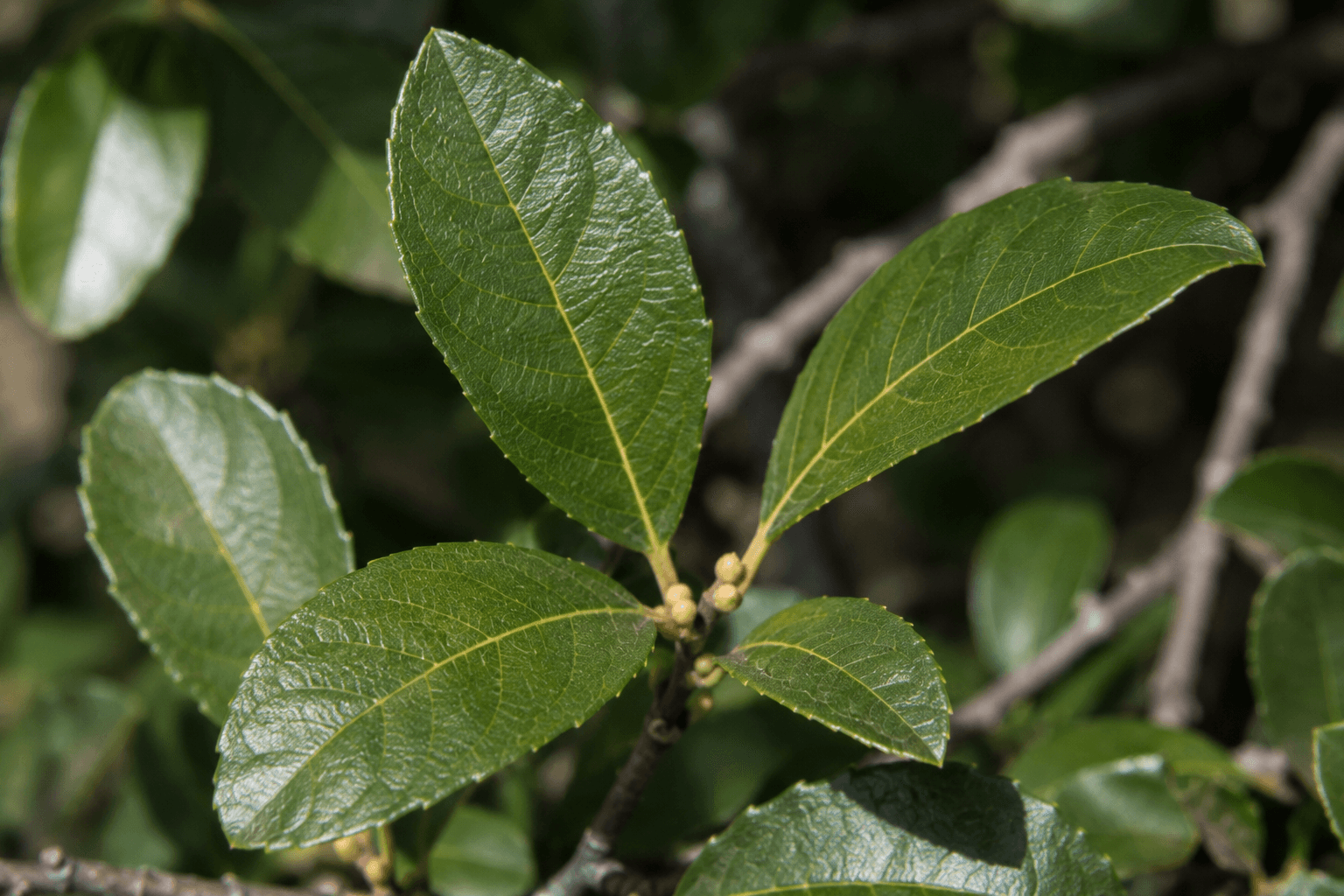
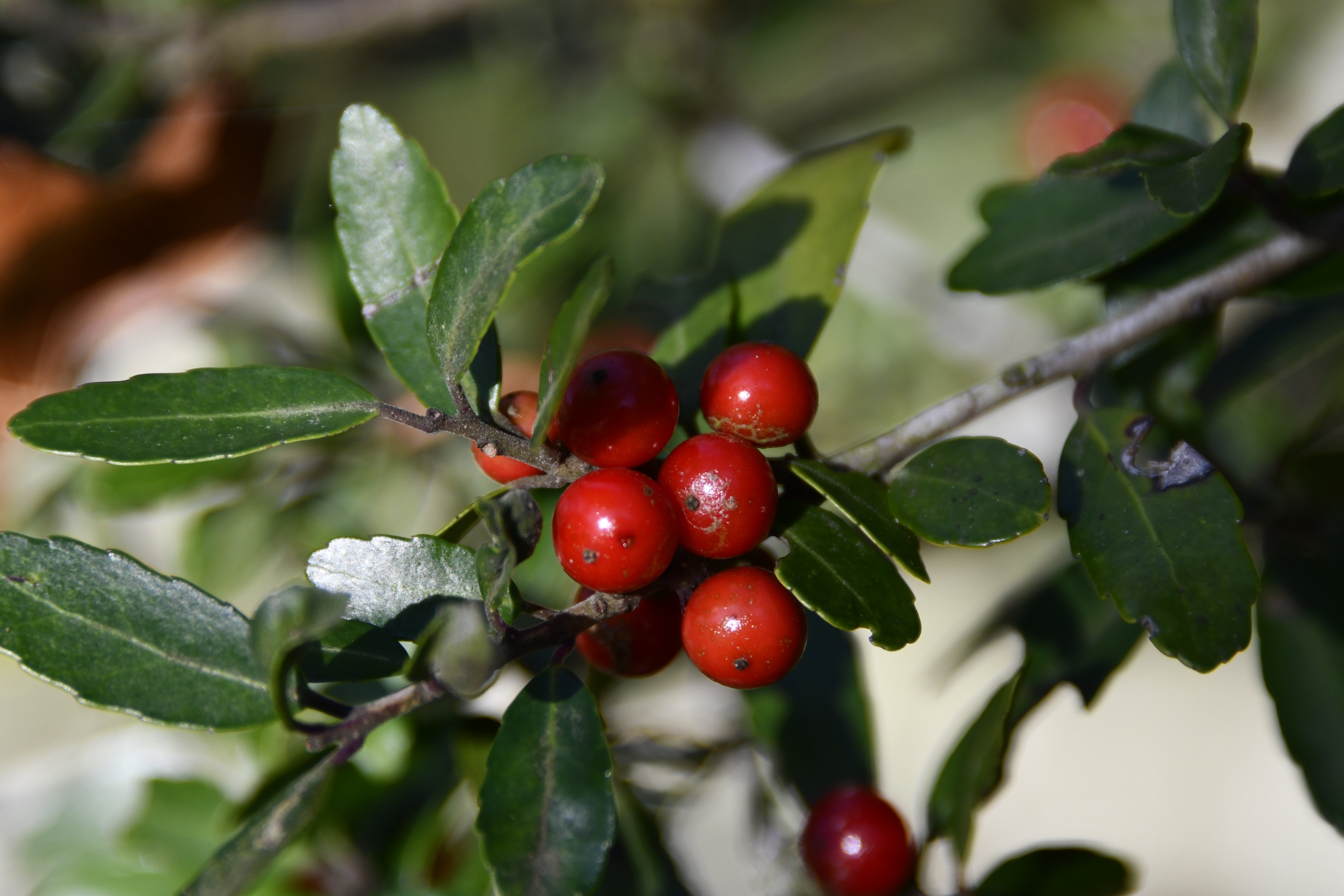
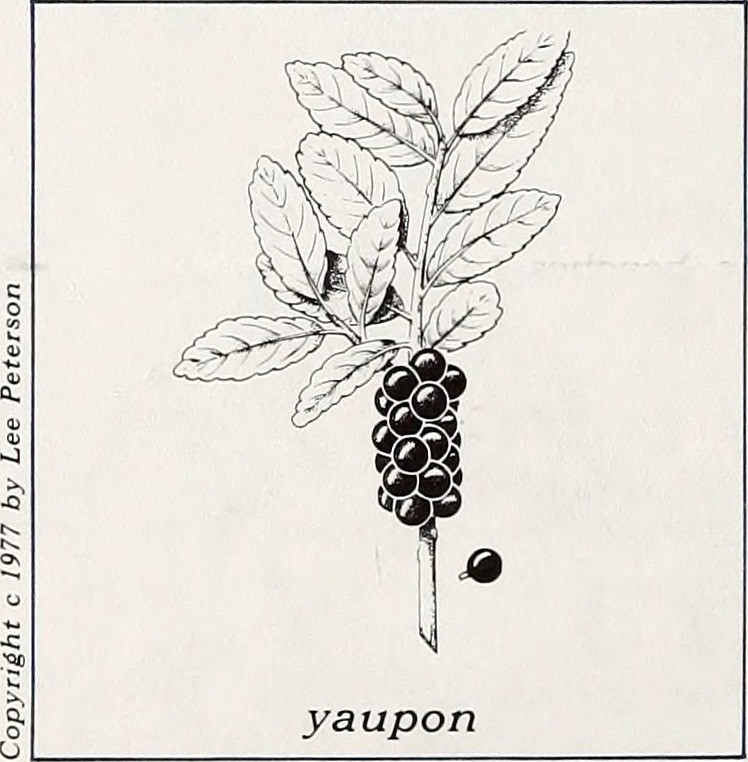
Yaupon holly (Ilex vomitoria) is an evergreen shrub or small tree native to the southeastern United States, including much of eastern and coastal Texas.
Its caffeine content makes it unusual. Yaupon is widely recognized as North America's native caffeinated tea plant, placing it in the same broad world of naturally caffeinated plants as coffee, traditional tea, cacao, guarana, and yerba mate.
In Texas, yaupon grows in familiar places:
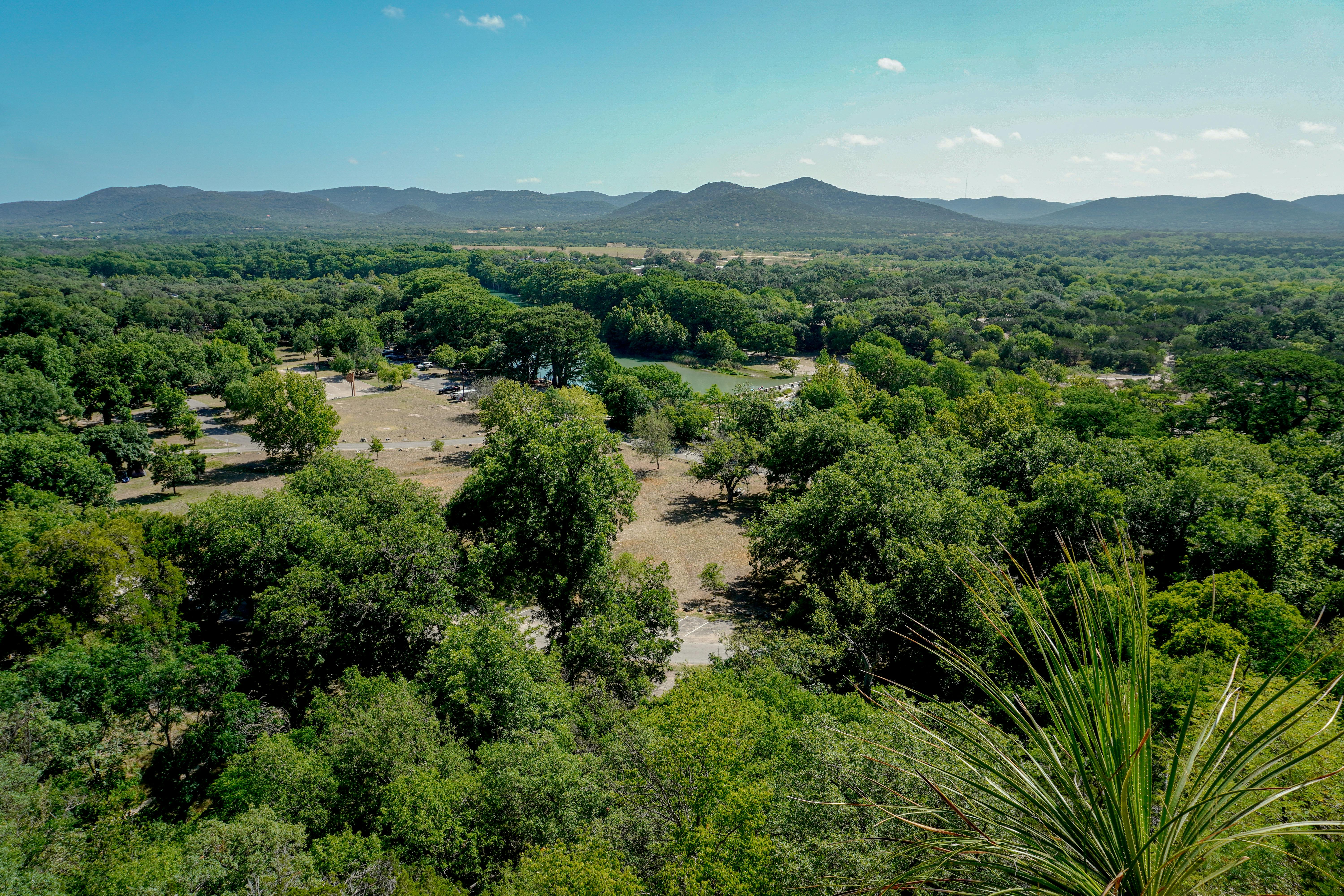
East Texas woodlands
Gulf Coast habitats
Creek bottoms
Live oak thickets
Fence lines
Ranch edges
Protected draws
It handles heat, humidity, poor soils, partial shade, drought, and periodic flooding better than many cultivated crops.
That combination of caffeine, resilience, and local presence is what makes yaupon different. It is not an imported crop being adapted to Texas. It already belongs in many Texas landscapes.
From Use to Obscurity
Yaupon remained in use during the colonial period and into later regional history, but imported beverages gradually changed daily habits.
Coffee from global trade networks and tea from Asia became easier to buy, easier to recognize, and eventually dominant in American drinking culture. Yaupon never developed the same commercial infrastructure. It remained regional, local, and easy to overlook.
By the 20th century, many Texans knew yaupon mainly as a landscape shrub or wildlife plant. It still grew in forests, ranches, cities, and yards, but most people no longer recognized it as a beverage plant with a long history.
That gap between presence and memory is central to yaupon's story. The plant stayed rooted in the land while its cultural use faded from public awareness.
From Everyday Use to Obscurity
Yaupon remained in use during the colonial period and into the nineteenth century. But as imported coffee and tea became more available, those global beverages gradually replaced regional traditions. Coffee from Latin America and tea from Asia entered American markets at scale, and yaupon lost ground.
As that shift happened, the plant itself did not disappear. Texans still saw it in forests, ranches, and neighborhoods. What disappeared was the shared knowledge of what it was and why it mattered. By the twentieth century, most people recognized yaupon as a landscape shrub or wildlife plant, not as a beverage with a long regional history.
The decline of that shared knowledge helps explain why yaupon's history is being revisited today. It is not a new discovery. It is a recovery of something that was always here.
Why Yaupon Is Returning
Yaupon's renewed attention reflects several things happening at once.
More people are interested in native plants, regional foods, sustainable agriculture, and products with a clear connection to place. Producers have also helped reintroduce yaupon through loose-leaf tea, tea bags, roasted and green styles, canned beverages, and farmers market sales.
Researchers, conservation groups, and native plant advocates have added to that interest by studying yaupon's ecology, history, growth habits, and role in Texas landscapes.
The appeal is not only that yaupon contains caffeine. People also respond to the larger story: a native plant, a historic beverage, a wildlife species, and a Texas-grown product all in one.
For some, yaupon is an alternative to imported coffee or tea. For others, it is a way to learn more about native plants and regional food traditions. Either way, it is becoming easier to find and easier to understand than it was even a decade ago.
Conservation and Stewardship
Yaupon's return also raises questions about stewardship.
Because yaupon grows naturally in Texas ecosystems, it supports more than a beverage industry:
Female plants produce berries for birds.
Dense evergreen branches provide cover.
Spring flowers support pollinators.
In many habitats, yaupon contributes to the structure and function of the landscape.
That means growth should be careful. Wild stands should not be treated as unlimited raw material, and harvesting should not ignore habitat value. The strongest future for yaupon will likely involve responsible sourcing, selective harvesting, cultivation research, and respect for the ecosystems where the plant already grows.
Yaupon can provide economic opportunity, but its value is not only commercial. Its ecological role is part of what makes the plant worth knowing in the first place.
Texas's Caffeinated Heritage
The resurgence of yaupon is really a return of attention.
The plant was never gone from Texas. It remained in thickets, forests, coastal margins, ranchlands, and yards. What is changing now is that more people are beginning to recognize its history, its uses, and its place in the landscape.
That makes yaupon more than a curiosity. It connects Indigenous history, Texas ecology, native plant knowledge, modern producers, and regional food culture.
Whether yaupon becomes a large industry or remains a regional specialty, its return matters because it restores public awareness of something that was already here. For Texas, yaupon is not just another tea ingredient. It is part of the state's living natural and cultural heritage.
For more on its ecological role, see Yaupon in Texas Ecosystems. For its traditional uses, see Indigenous Use of Yaupon.
About

Featured Posts

Explore Topics

Related Post
Jun 1, 2026
Discover the Indigenous history of yaupon, North America's only native caffeinated plant. Learn how it was used in ceremonies, trade networks, and daily life across the American South for centuries before European arrival.
Jun 1, 2026
Explore the history of yaupon in Texas, from Indigenous use and regional trade networks to its decline, rediscovery, and modern revival as North America's only native caffeinated plant.