The History of Yaupon in Texas: From Indigenous Use to Modern Revival
Explore the history of yaupon in Texas, from Indigenous use and regional trade networks to its decline, rediscovery, and modern revival as North America's only native caffeinated plant.
Texas Yaupon Editorial Team
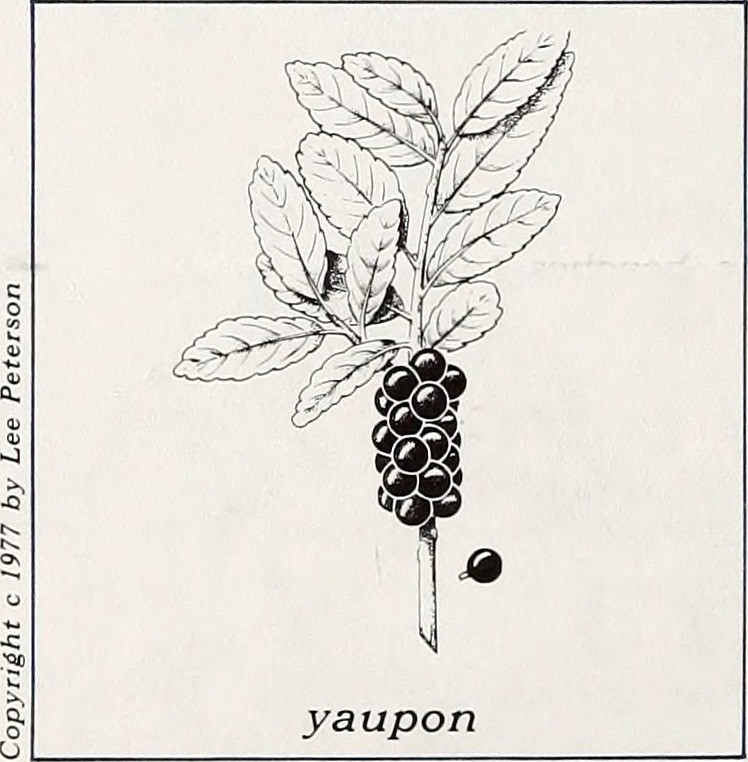
The History of Yaupon in Texas: From Indigenous Use to Modern Revival
Reading Time: 7 to 8 minutes
Category: History & Culture
Updated: May 2026
Key Takeaways
Yaupon holly has grown in Texas landscapes for thousands of years.
Indigenous communities used yaupon as a brewed caffeinated beverage long before European arrival.
The plant moved through trade networks across parts of the American South and Gulf Coast region.
Early European observers documented yaupon use beginning in the 1500s, though those accounts must be read carefully.
Imported coffee and tea gradually replaced yaupon as the dominant caffeinated beverages in everyday use.
Commercial interest in yaupon began returning in the late 20th century and accelerated during the 2000s and 2010s.
Texas is now one of the modern centers of yaupon production, education, and public awareness.
Introduction
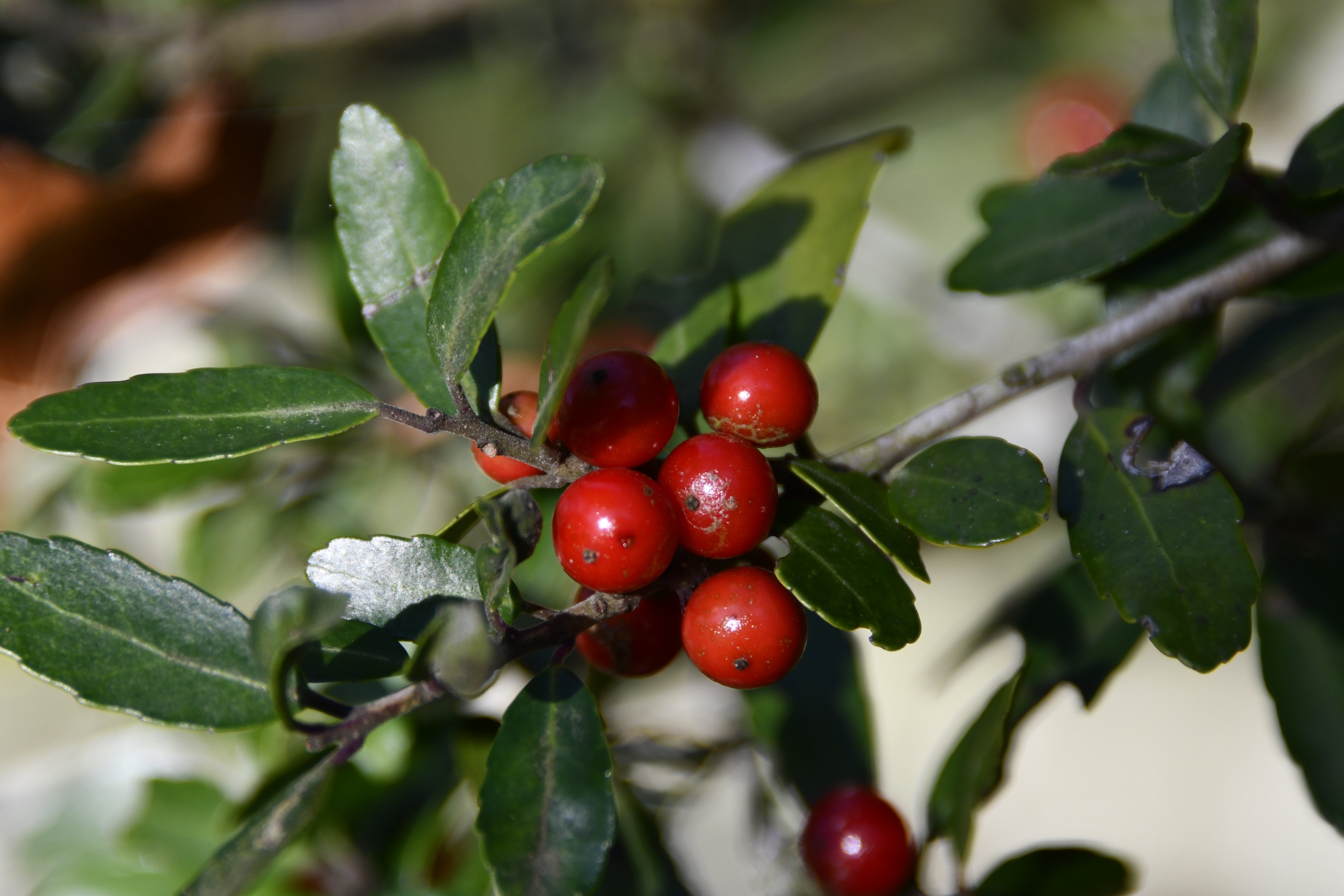
Long before coffee shops appeared in Texas cities or imported tea became part of daily life, a native plant was already providing caffeine across parts of the American South. That plant was yaupon holly (Ilex vomitoria).
Yaupon is often described as North America’s native caffeinated plant, but its story is broader than that label suggests. For centuries, it was harvested, prepared, consumed, and traded across parts of Texas and the southeastern United States. Its history includes Indigenous knowledge, regional exchange, colonization, changing beverage habits, ecological persistence, and modern commercial interest.
Understanding yaupon’s past helps explain why the plant is drawing attention again today. It is not a new discovery. It is a native Texas plant with a long ecological and cultural presence whose meaning has changed over time.
Indigenous Use of Yaupon
Long before European arrival, Indigenous communities throughout the American South harvested yaupon leaves and prepared them as a caffeinated beverage.
The drink appears in archaeological evidence, oral traditions, and written accounts. It was associated with social, ceremonial, and diplomatic life among a range of Indigenous communities, though details varied by region, time period, and culture.
In Texas, coastal and inland communities likely used yaupon according to local traditions, seasonal patterns, and trade relationships. Along the Gulf Coast, where yaupon grows naturally in coastal woodlands, river corridors, and thickets, the plant would have been readily available. Farther inland, yaupon may have moved through exchange networks or been gathered where native stands occurred.
Because much of the written record comes from European observers, the details should be handled carefully. Even so, the broader pattern is clear: yaupon was an important beverage plant long before it became a modern tea product.
Trade Networks
One important part of yaupon’s history is the way it traveled.
Yaupon grows naturally within a limited range, mostly across the southeastern United States and Gulf Coast. Evidence of caffeinated Ilex beverages far beyond that range suggests that yaupon, or related plant material, moved through Indigenous trade networks.
Archaeological evidence from Cahokia, near present-day St. Louis, has identified caffeinated Ilex residues hundreds of kilometers from yaupon’s natural growing range. That finding points to long-distance exchange and shows that yaupon was not only a local plant. It was part of broader regional systems of trade, ceremony, and cultural exchange.
For Texas, this matters because yaupon’s history was never isolated. The plant belonged to a larger Gulf Coast and southeastern network of people, landscapes, and exchange routes.
Yaupon in Early Texas
Yaupon’s Texas history is connected to the wider American South, but it also has its own local shape.
Along the Texas coast, Indigenous communities lived in landscapes where yaupon naturally grew near rivers, marshes, coastal woodlands, and live oak thickets. In those environments, yaupon would have been a familiar plant.
During the Spanish colonial period, European observers documented Indigenous use of yaupon across the broader region. Álvar Núñez Cabeza de Vaca is often included among the early European observers associated with yaupon use in the Gulf Coast world. These accounts are valuable, but they are incomplete and filtered through European assumptions.
The direct written record in Texas is uneven. Even so, yaupon almost certainly remained part of the local environment and Indigenous lifeways where the plant naturally occurred.
During the Mexican Texas era and early Anglo settlement, yaupon persisted in coastal habitats, ranchlands, woodlands, and river corridors outside intensive cultivation. New settlement patterns, agriculture, and land management practices changed the landscape, but yaupon remained a common native shrub across much of East Texas and the coastal plain.
European Accounts and the Name
When European explorers and settlers encountered yaupon, they interpreted it through their own cultural expectations.
Written descriptions from the 1500s and 1600s document yaupon beverages and the traditions surrounding them. These records are useful, but they often misunderstood Indigenous practices or emphasized ceremonial details while saying less about everyday use.
The species name vomitoria comes from the Latin for vomiting and reflects early European interpretations of rituals involving yaupon. Modern research does not show that normal yaupon tea causes vomiting. The association appears tied to ceremonial practices, preparation context, or large-volume consumption rather than the plant’s basic chemistry.
The name remains, and it is one of the clearest examples of how misunderstanding can become embedded in scientific language.
Coffee, Tea, and Decline
By the 18th and 19th centuries, imported beverages began reshaping drinking habits throughout North America.
Coffee became more widely available through global trade, while tea from Asia became established in American markets. These beverages developed large commercial systems, international supply chains, and strong cultural habits around daily use.
Yaupon followed a different path. It remained regional and never developed the same large-scale commercial infrastructure. As coffee and tea became easier to buy and more familiar to consumers, yaupon gradually lost ground as an everyday caffeinated beverage.
That shift changed how people understood the plant. Yaupon did not disappear from Texas landscapes, but public knowledge of its use as a drink declined. By the 20th century, many Texans knew yaupon as a landscape shrub, wildlife plant, or understory thicket without realizing it had once been brewed and consumed across the region.
Yaupon Remained
Although yaupon faded from common beverage use, the plant itself never left Texas.
It continued growing in East Texas forests, Piney Woods understories, Gulf Coast woodlands, riparian corridors, ranchlands, fence lines, and city landscapes. Birds fed on its berries. Pollinators visited its flowers. Landowners managed, removed, pruned, or planted it depending on their goals.
This is one of the more interesting parts of yaupon’s history. The plant remained visible, but its story became less familiar. Texans could pass it in parks, ranch edges, neighborhoods, and woodlands without realizing it was connected to one of North America’s oldest caffeinated beverage traditions.
In that sense, yaupon was not lost from the land. It was lost from common knowledge.
Modern Revival
Interest in yaupon began returning in the late 20th century, with commercial activity accelerating in the 2000s and 2010s.
Researchers, native plant advocates, historians, conservation groups, landowners, and entrepreneurs began taking a new look at the plant’s history, ecology, and beverage potential. Several trends helped support that renewed attention, including interest in native plants, regional food traditions, sustainable agriculture, Indigenous history, and alternatives to imported caffeine sources.
Small producers began harvesting, processing, and selling yaupon for modern consumers. Loose-leaf tea, tea bags, roasted yaupon, green yaupon, and ready-to-drink products helped introduce the plant to people who had never heard of it.
Texas became one of the focal points of this return. The state has extensive native yaupon populations, active producers, conservation organizations, researchers, native plant advocates, and landowners interested in the plant’s future.
What had long been overlooked began to reappear as something both old and current: a native beverage plant with deep historical roots and modern commercial potential.
Yaupon’s Future in Texas
Today, Texas plays a central role in the modern yaupon story.
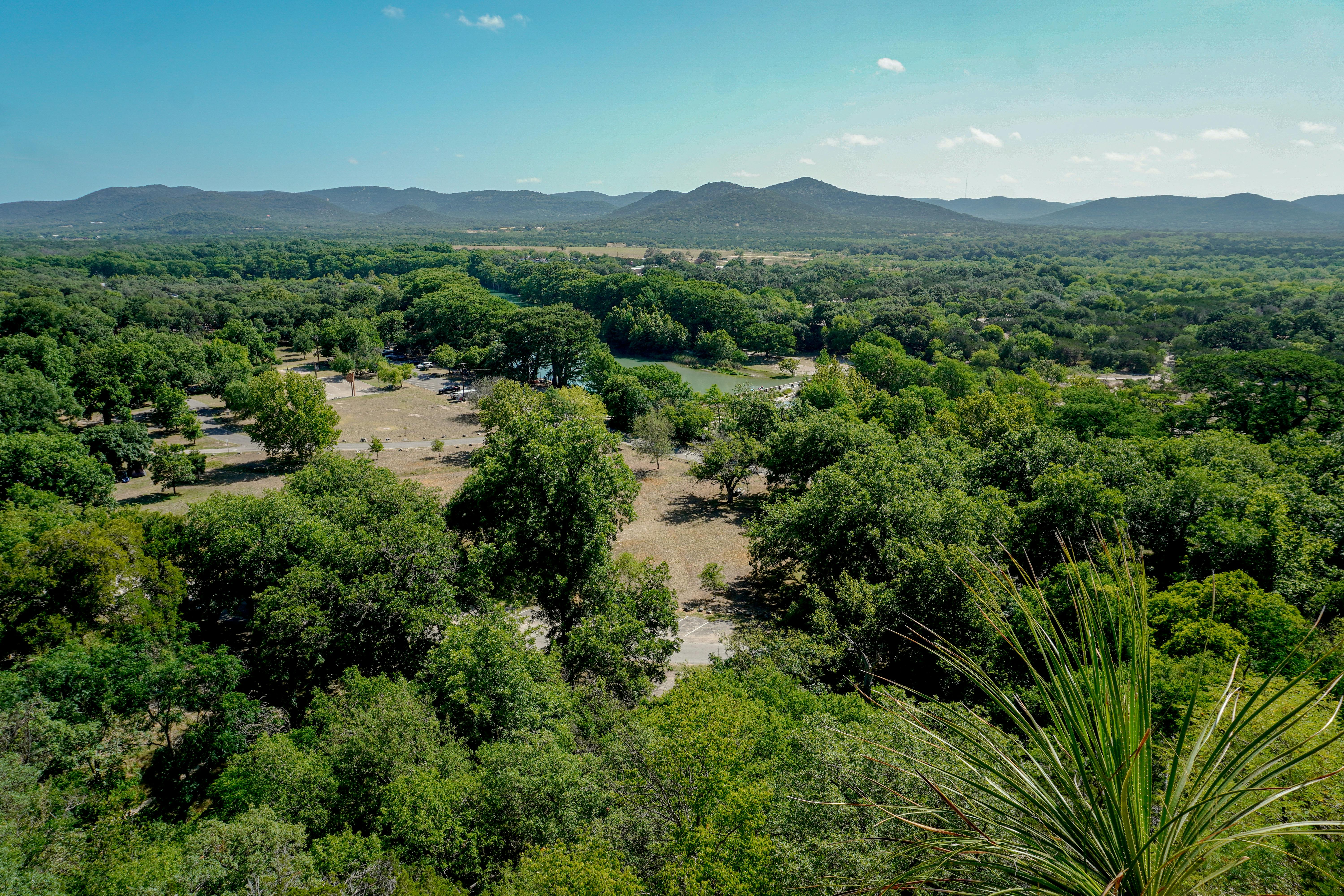
The state has large native populations, a growing number of producers, and landscapes where the plant already belongs. East Texas forests, Gulf Coast woodlands, river corridors, and parts of Central Texas all support yaupon in different ways.
That gives Texas more than a branding connection. Yaupon’s future in the state is tied to real land management questions, including harvesting, cultivation, habitat value, native plant education, and long-term stewardship.
Texas is one of the places where yaupon can be understood not only as a product, but as part of a larger native landscape. Its history, ecology, and commercial future are closely linked.
What the History Shows
The history of yaupon in Texas is not simply the story of a beverage. It is the story of a native plant whose meaning has changed over time.
For Indigenous communities, yaupon was a useful and culturally important plant tied to social life, ceremony, trade, and place. For later generations, it became more familiar as a shrub than as a drink. Today, producers, researchers, conservationists, and consumers are helping restore public awareness of its deeper history.
Yaupon’s return does not make it new. It makes its older story visible again.
Yaupon connects native landscapes, Indigenous history, wildlife value, regional agriculture, and modern interest in local food traditions. Few plants bring those threads together as directly.
About

Featured Posts


Explore Topics

Related Post
Jun 1, 2026
Discover the Indigenous history of yaupon, North America's only native caffeinated plant. Learn how it was used in ceremonies, trade networks, and daily life across the American South for centuries before European arrival.
Jun 1, 2026
Yaupon holly is North America's only naturally caffeinated native plant. Once widely used by Indigenous communities across the American South, yaupon faded from public awareness as coffee and tea became dominant. Today, growers, researchers, and conservationists are helping bring this historic Texas plant back into the spotlight.