Where Does Yaupon Grow in Texas? Native Range, Habitats, and Why It Thrives
Yaupon grows across much of eastern and central Texas, from the Piney Woods and Gulf Coast to portions of the Hill Country. Learn where this native evergreen thrives, the habitats it prefers, and why it has become one of Texas's most successful native plants.
Texas Yaupon Editorial Team
Reading Time: 6 minutes
Category: Education
Updated: June 2026
Key Takeaways
Yaupon is native to much of eastern and central Texas.
It thrives in a wide range of environments, from coastal forests to Hill Country woodlands.
The plant tolerates drought, flooding, poor soils, and heavy pruning.
Yaupon provides food and shelter for wildlife throughout the year.
Its adaptability has made it one of the most successful native shrubs in Texas.
Yaupon in Texas Landscapes
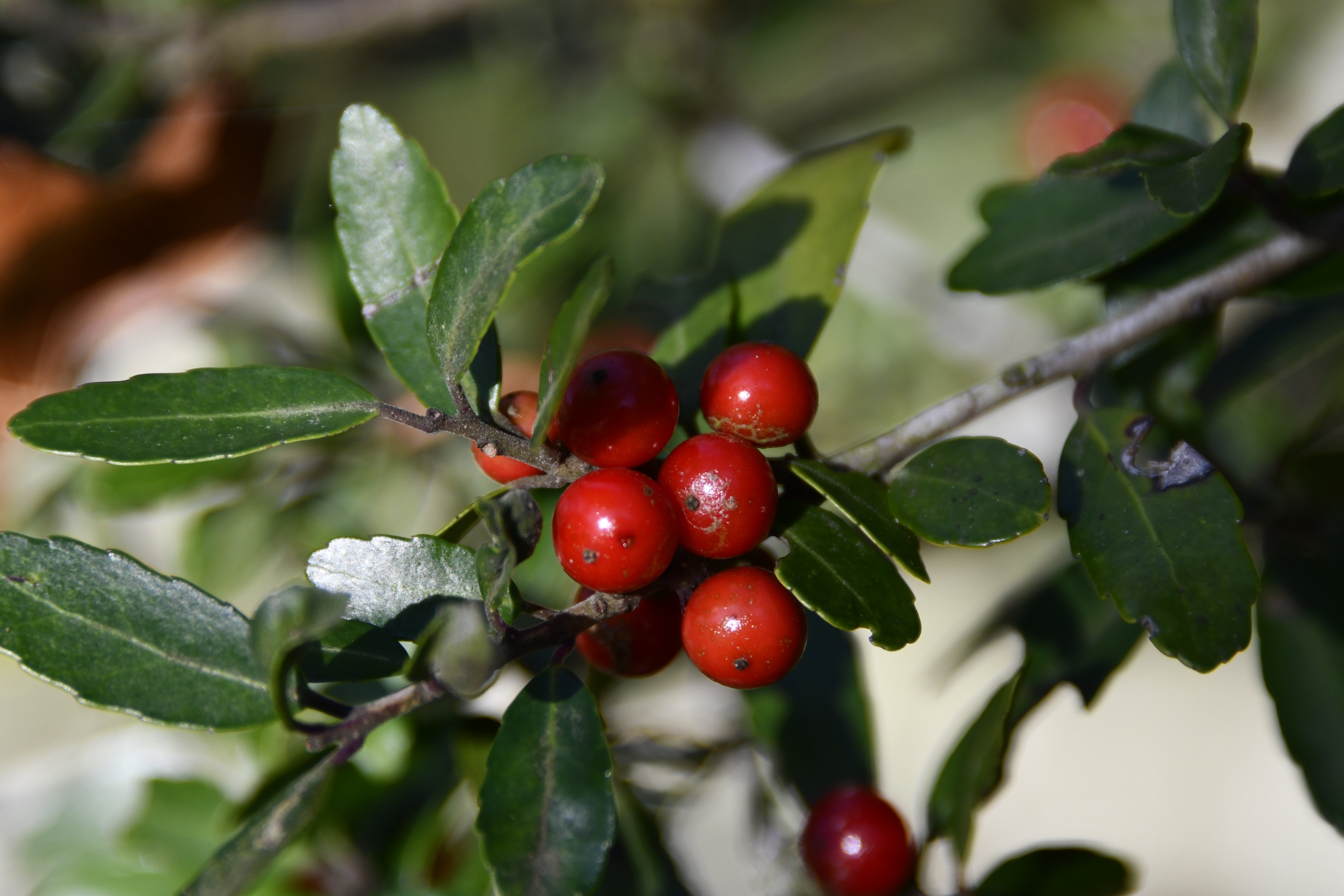
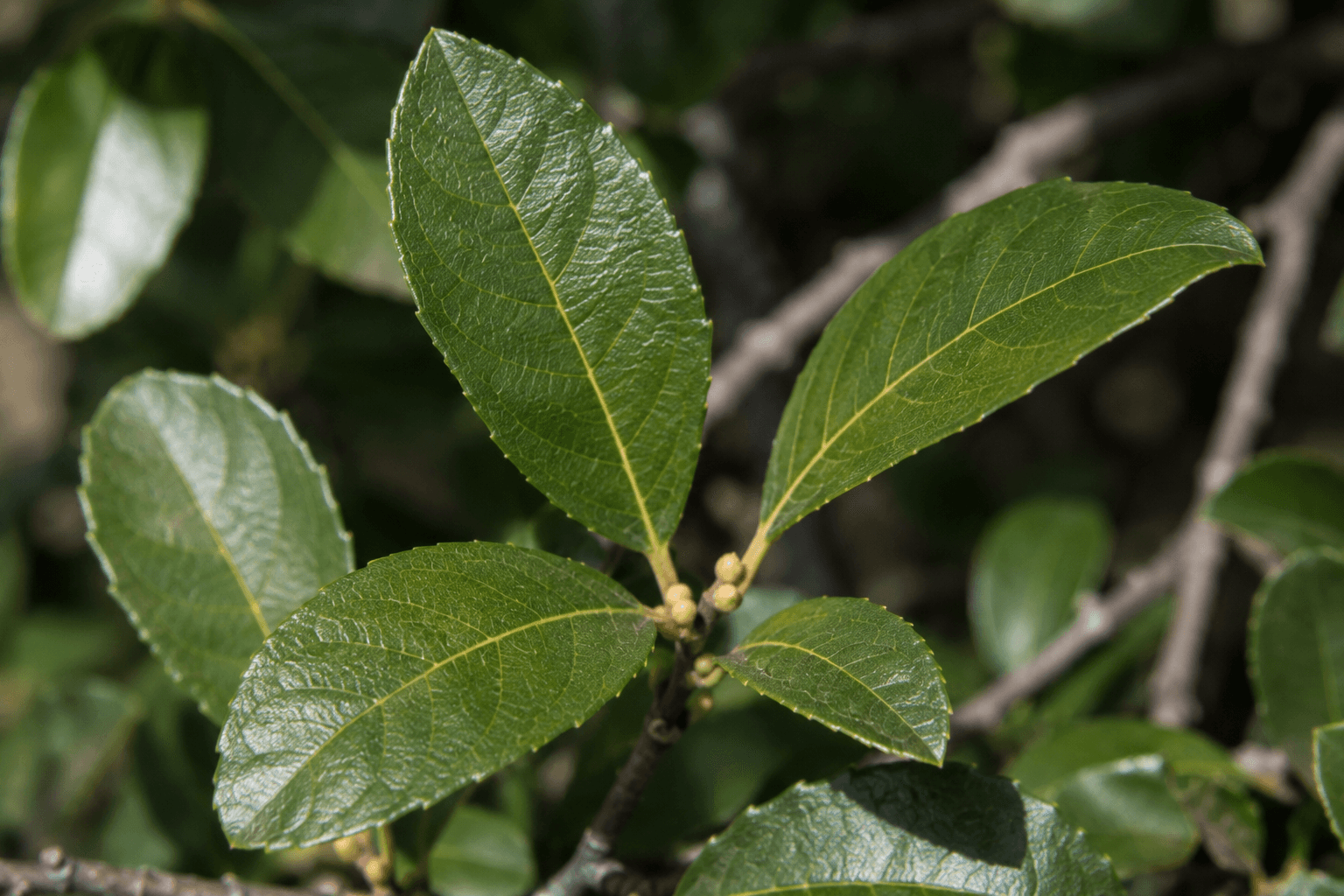
Yaupon holly (Ilex vomitoria) is found growing naturally from the Piney Woods of East Texas to the brushlands of the Gulf Coast. It has adapted to an impressive variety of conditions. It can survive drought, withstand periodic flooding, tolerate poor soils, and recover from disturbance better than many neighboring species.
These traits have helped yaupon become one of the most familiar native shrubs in eastern and coastal Texas. Yaupon can grow as a large shrub or a small tree, depending on conditions and management, typically reaching 3–15 feet tall but occasionally growing up to 30 feet tall.
Understanding where yaupon grows—and why it thrives—offers insight into both the plant itself and the ecosystems that have supported it for thousands of years.
Yaupon's Native Range in Texas
Yaupon is native to the southeastern United States, with Texas representing a significant portion of its natural range.
Within Texas, the species is most common in:
East Texas forests
Gulf Coast woodlands
Coastal prairies
Bottomland forests
Post Oak Savannah regions
Portions of Central Texas and the eastern Hill Country
Its distribution generally follows areas that receive moderate annual rainfall, although established plants can tolerate much drier conditions than many people expect.
Yaupon's range begins to thin out west of the Post Oak Savannah and eastern Cross Timbers. As you move into the western Cross Timbers, Edwards Plateau, and West Texas, yaupon becomes increasingly rare, appearing only in protected creek corridors and shaded draws where moisture is available. This pattern largely reflects yaupon's preference for regions with more consistent rainfall and its limited tolerance for the extreme drought and high temperatures found in arid West Texas regions.
Historically, yaupon was abundant enough across parts of Texas that Indigenous communities, settlers, and later ranching families could harvest it directly from the wild.
East Texas Yaupon Habitats
East Texas contains some of the state's most extensive natural yaupon populations.
In the Piney Woods region, yaupon often grows beneath larger trees such as pines, oaks, and hardwoods. It can form dense understory thickets that provide important habitat for birds and small mammals.
These forests offer ideal conditions:
Consistent rainfall
Mild winters
Acidic soils
Partial shade
Because yaupon naturally tolerates both shade and sun, it can persist throughout different stages of forest growth, making it a resilient component of East Texas ecosystems.
Yaupon Along the Texas Gulf Coast
As you move toward the Texas coast, yaupon remains a familiar sight.
It grows in maritime forests, coastal woodlands, and sheltered areas behind dunes where salt exposure is limited. Coastal populations often experience strong winds, sandy soils, and periodic storms, yet yaupon continues to thrive.
Its ability to withstand environmental stress makes it particularly valuable in coastal ecosystems, where conditions can change rapidly from season to season.
Many native landscaping projects along the Gulf Coast use yaupon for its durability and low maintenance requirements.
Yaupon in Post Oak Savannah and Central Texas
Moving westward, yaupon becomes less dominant but remains common throughout portions of the Post Oak Savannah and eastern Central Texas.
Here it often appears among:
Post oaks
Blackjack oaks
Cedar elm
Native grasses
Yaupon's evergreen foliage keeps it active year-round, giving it a competitive advantage in environments where other plants may become dormant or stressed during dry periods.
In some unmanaged areas, yaupon can become so successful that landowners actively remove or thin it to encourage grassland restoration or improve wildlife management objectives.
Yaupon in the Texas Hill Country
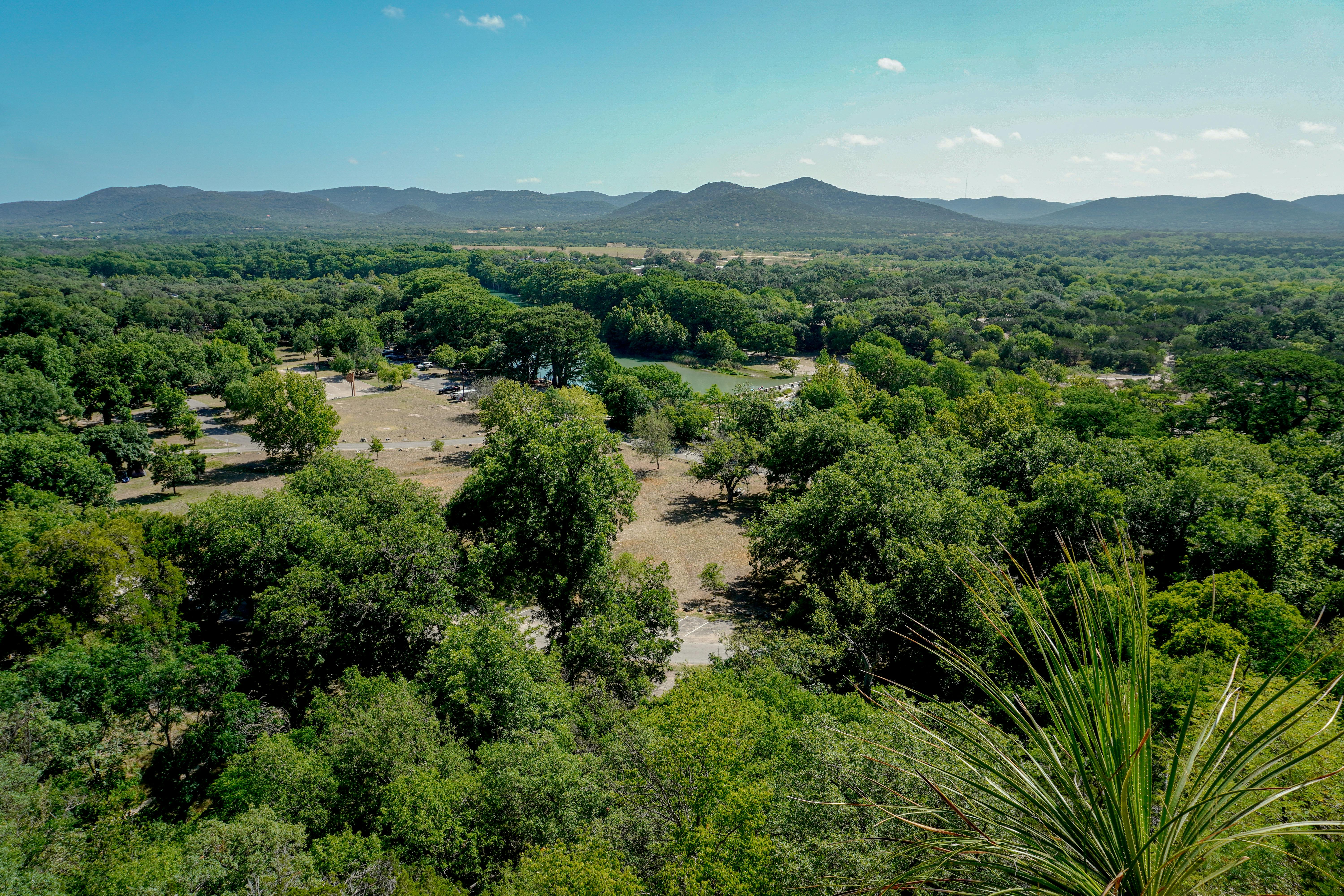
While not as abundant as in East Texas, yaupon can also be found throughout portions of the eastern Hill Country.
It frequently grows along creek corridors, canyon edges, and protected slopes where moisture is more consistently available.
The Hill Country presents greater challenges:
Rocky soils
Summer heat
Extended dry periods
Variable rainfall
Yet yaupon often persists where many less adaptable shrubs struggle. Deep root systems and evergreen leaves help the plant survive conditions that would stress more specialized species.
Why Yaupon Succeeds Across Texas
Yaupon's success across Texas is largely due to its hardiness.
Unlike plants that require a narrow set of environmental conditions, yaupon can tolerate a broad range of factors.
Drought Tolerance
Once established, yaupon is surprisingly drought-tolerant. Mature plants can survive extended dry periods that are common across much of Texas.
Flood Tolerance
Yaupon also tolerates periodic flooding and saturated soils, allowing it to grow in bottomlands and near waterways.
Sun and Shade Tolerance
Many plants prefer either full sun or heavy shade. Yaupon performs well in both, enabling it to occupy a wide variety of habitats.
Soil Flexibility
The species grows in sandy, loamy, acidic, and moderately alkaline soils. This flexibility helps explain its broad geographic distribution.
Recovery After Disturbance
Yaupon readily resprouts after pruning, storm damage, fire, or browsing pressure. This ability allows populations to recover even after significant disturbance. In landscapes where natural fire cycles are suppressed, yaupon often becomes more abundant in the understory. This explains why some landowners view it as a beneficial native shrub while others actively manage it to maintain open grasslands.
Expanding Beyond Its Roots: Can Yaupon Grow Outside Its Native Range?
Yaupon is widely used in Texas landscaping beyond its natural distribution. Gardeners and landscapers plant it in areas where it does not occur naturally, including parts of North Texas, the Blackland Prairies, and even some western regions with irrigation.
Yaupon's tolerance for drought, heat, and varied soil conditions makes it a practical choice for native landscaping across much of the state. With proper establishment, it can grow successfully far beyond its natural range. However, it performs best in regions with moderate rainfall and does not thrive in the extreme arid conditions of far West Texas, even with irrigation.
Wildlife Benefits of Yaupon
Yaupon's success benefits far more than the plant itself.
Its dense evergreen structure provides year-round shelter for birds, reptiles, and small mammals. During winter, when food sources become limited, yaupon berries provide an important source of nutrition for many bird species. More than 40 bird species have been documented feeding on yaupon berries.
Pollinators also benefit from yaupon's spring blooms, which supply nectar and pollen during the growing season.
Because of these ecological relationships, yaupon serves as a foundational component of many Texas ecosystems.
For more on wildlife value, see Yaupon in Texas Ecosystems.
Yaupon in Future Landscapes
As interest in native landscaping and ecological restoration continues to grow, yaupon's reputation has expanded beyond its historical use as a source of caffeinated tea.
Landowners increasingly recognize its value as a drought-tolerant native species. Conservationists appreciate its role in supporting wildlife. And producers harvesting yaupon for tea rely on healthy wild and cultivated populations across Texas.
Its ability to thrive across forests, prairies, coastal regions, and woodlands has helped ensure its place in the state's ecological and cultural history.
Conclusion
Yaupon grows across a wide range of Texas landscapes, from East Texas forests and Gulf Coast woodlands to creek corridors, live oak thickets, and parts of Central Texas.
Its success comes from adaptability. It can handle heat, drought, partial shade, poor soils, pruning, periodic flooding, and disturbance. Those traits help explain why it remains so common in both wild and managed landscapes.
That resilience also gives yaupon its broader importance. It supports wildlife, fits native landscapes, and provides the leaves used for yaupon tea. Few Texas shrubs connect everyday landscapes, ecology, and regional food traditions quite like yaupon.
About

Featured Posts

Explore Topics