How Yaupon Is Harvested and Processed: From Native Shrub to Finished Tea
Learn how yaupon tea travels from native Texas shrub to finished beverage. Explore harvesting methods, drying, roasting, processing, and the challenges of building a modern yaupon industry.
Texas Yaupon Editorial Team
Reading Time: 5 minutes
Category: Industry & Production
Updated: June 2026
Key Takeaways
Yaupon tea begins with harvesting leaves and small stems from the yaupon holly plant.
Harvesting can come from both wild stands and cultivated plantings.
Drying is one of the most important steps because it stabilizes the leaves for storage, packaging, and brewing.
Roasting yields a darker, richer flavor, while unroasted yaupon maintains lighter, grassy, herbal notes.
Processing affects flavor, aroma, and appearance, but caffeine always remains present.
Introduction
Most people are familiar with yaupon tea only as dried leaves ready for brewing, but the journey from a living Texas shrub to a finished beverage involves several careful steps.
Unlike coffee beans (separated from the fruit and roasted) or traditional tea leaves (that undergo complex oxidation), yaupon follows a straightforward path from harvest to cup. Yet every step—from selecting branches to drying and roasting—shapes the final product's character.
Understanding the process of harvesting and processing yaupon shows how much work goes into turning a native shrub into a finished tea.
Harvesting the Plant
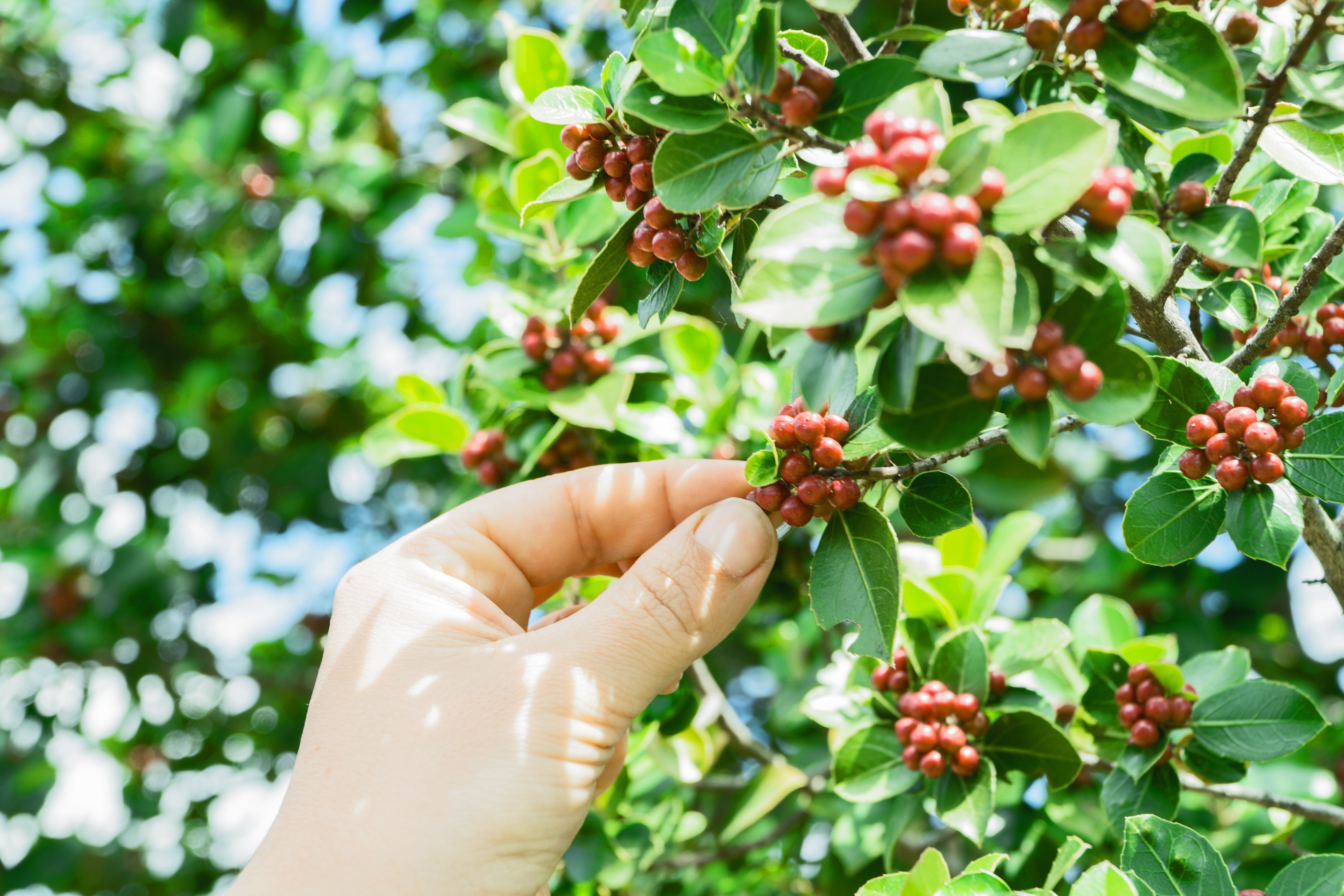
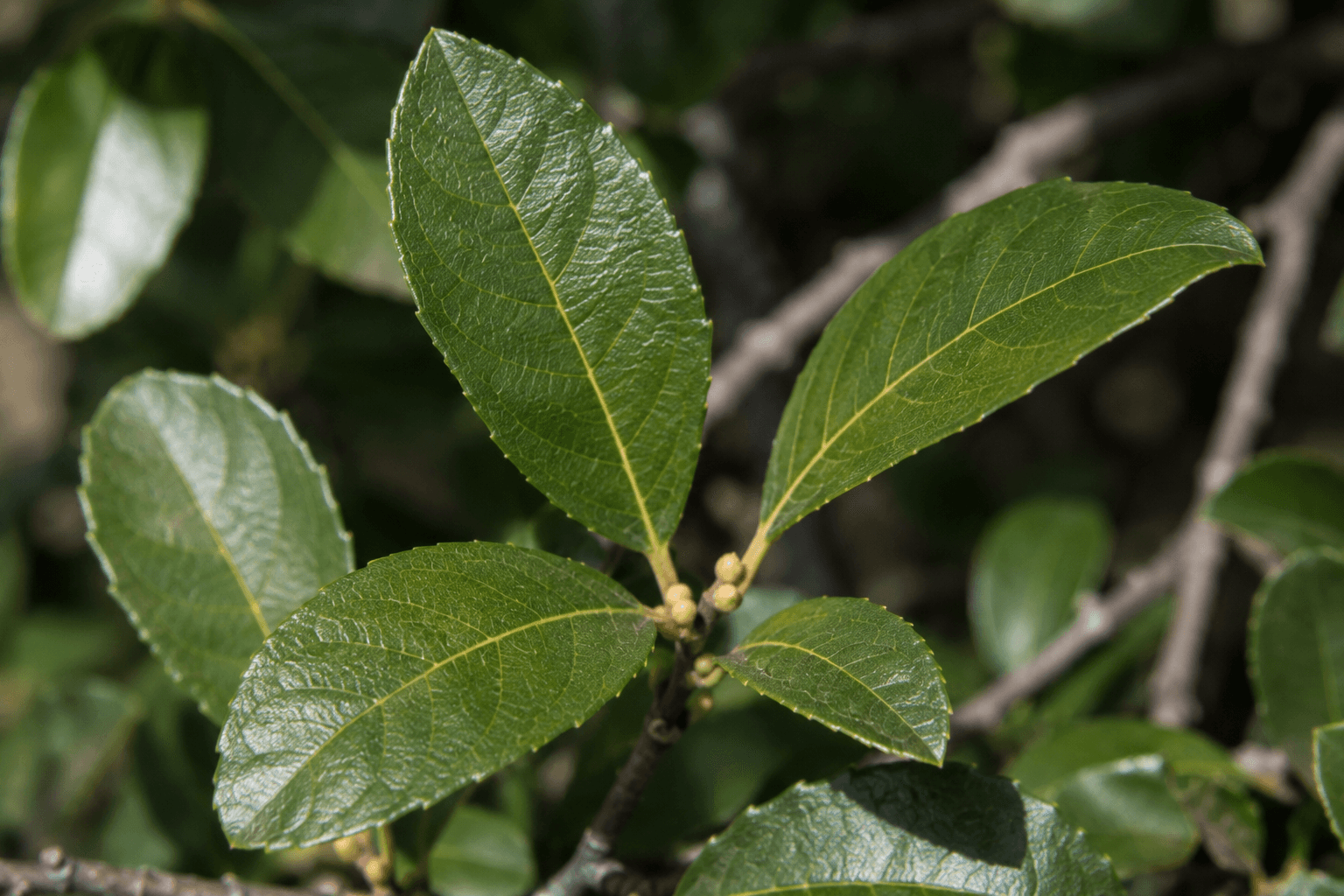
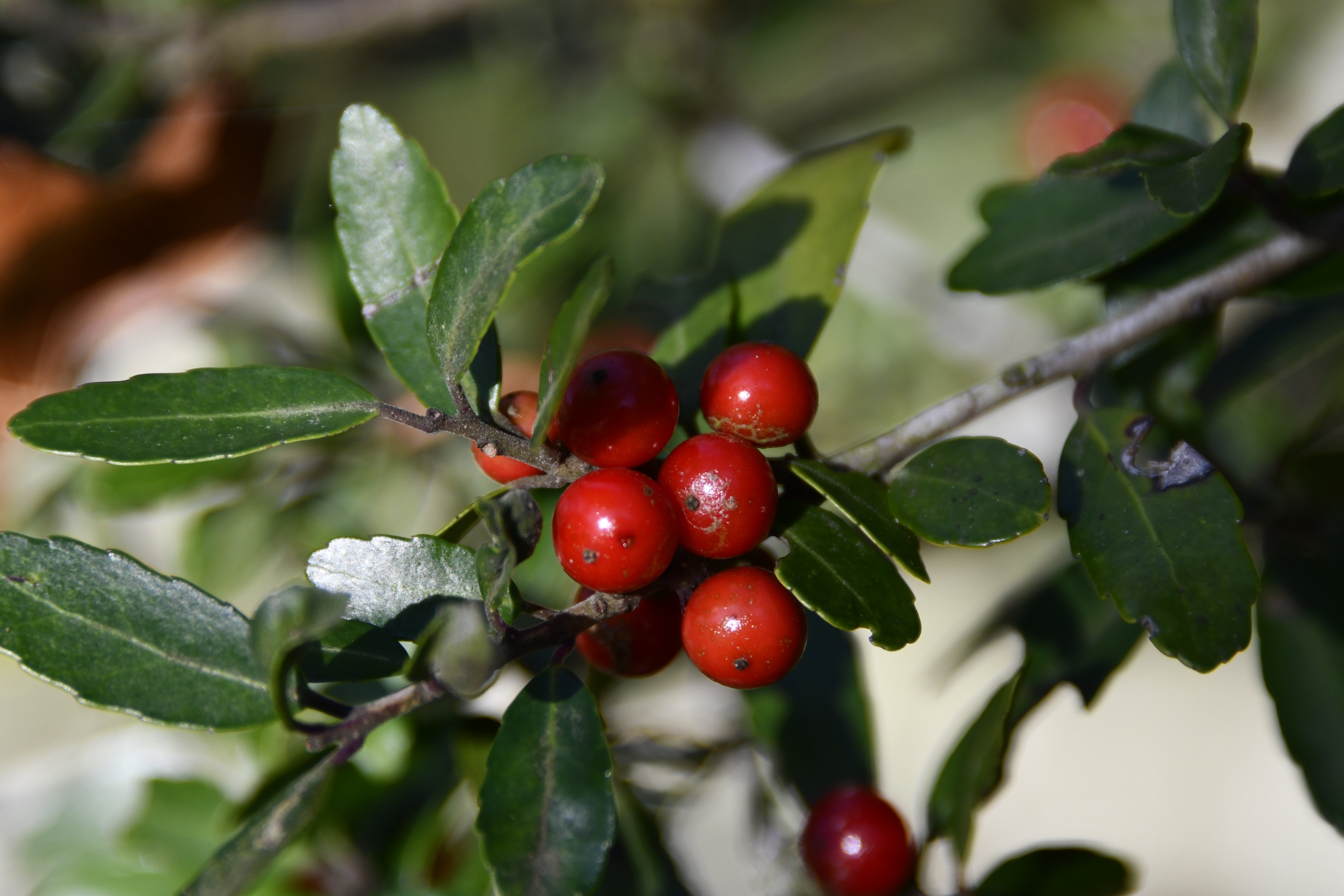
Yaupon is an evergreen shrub or small tree that grows naturally throughout much of eastern and coastal Texas. Because yaupon retains foliage year-round, harvesting can occur across multiple seasons depending on climate, conditions, and producer preferences.
Most harvesters focus on healthy, mature growth. Rather than stripping individual leaves by hand, workers typically prune small branches containing leaves and tender stems. Common harvest material includes leafy branch tips, young green stems, and mature leaf clusters processed together. This approach is more efficient and can encourage future growth when done carefully.
Unlike many agricultural crops that require annual planting, established yaupon plants can produce harvestable growth year after year.
Why Yaupon Can Be Harvested Across Seasons
Many crops have narrow harvest windows tied to flowering or fruiting. Yaupon retains usable foliage year-round.
This does not mean harvest conditions are identical in every season, but it does provide producers with greater flexibility. Harvesters can often schedule collection around labor availability, weather conditions, and processing capacity rather than relying on a single short harvest period. Along the Texas Gulf Coast and across East Texas, this flexibility helps producers manage operations more efficiently and spread harvesting across the year.
Wild Harvesting and Cultivated Production
A unique aspect of the yaupon industry is that both wild and cultivated sources contribute to commercial production.
Wild harvesting involves collecting material from naturally occurring yaupon stands. Texas has vast native yaupon populations, particularly along woodland edges, in coastal forests, in piney woods habitats, and in understory environments from East Texas to the Coastal Bend. Responsible wild harvesting requires attention to plant health and long-term sustainability.
Cultivated production takes a different approach. Some producers grow yaupon in managed plantings where spacing, access, and maintenance can be more easily controlled. Cultivation may provide more predictable harvest volumes and simplify collection.
Individuals may gather small amounts for personal use. Commercial producers harvest large quantities annually to supply retail and wholesale markets. This larger scale requires coordinated harvesting, drying, storage, and distribution systems.
Sorting and Preparing the Harvest
Once harvested, the plant material is typically transported to a processing facility as quickly as possible.
Fresh yaupon contains significant moisture. If left untreated, quality declines as leaves wilt or deteriorate.
Producers sort the harvest to remove large woody stems, damaged leaves, or debris. Since harvested bundles contain leafy tips, small stems, and varying leaf sizes, sorting creates more consistent material before drying.
Although each producer may use different sorting steps, greater consistency during preparation leads to a more uniform final product.
Drying: The Critical Step
After harvest, drying is one of the most important steps.
Drying reduces moisture and stabilizes the leaves for packaging and brewing.
Some use drying racks or controlled environments; others use specialized equipment to efficiently remove moisture.
Proper drying helps preserve flavor, aroma, and shelf stability. It also significantly reduces weight, making storage and transportation more practical.
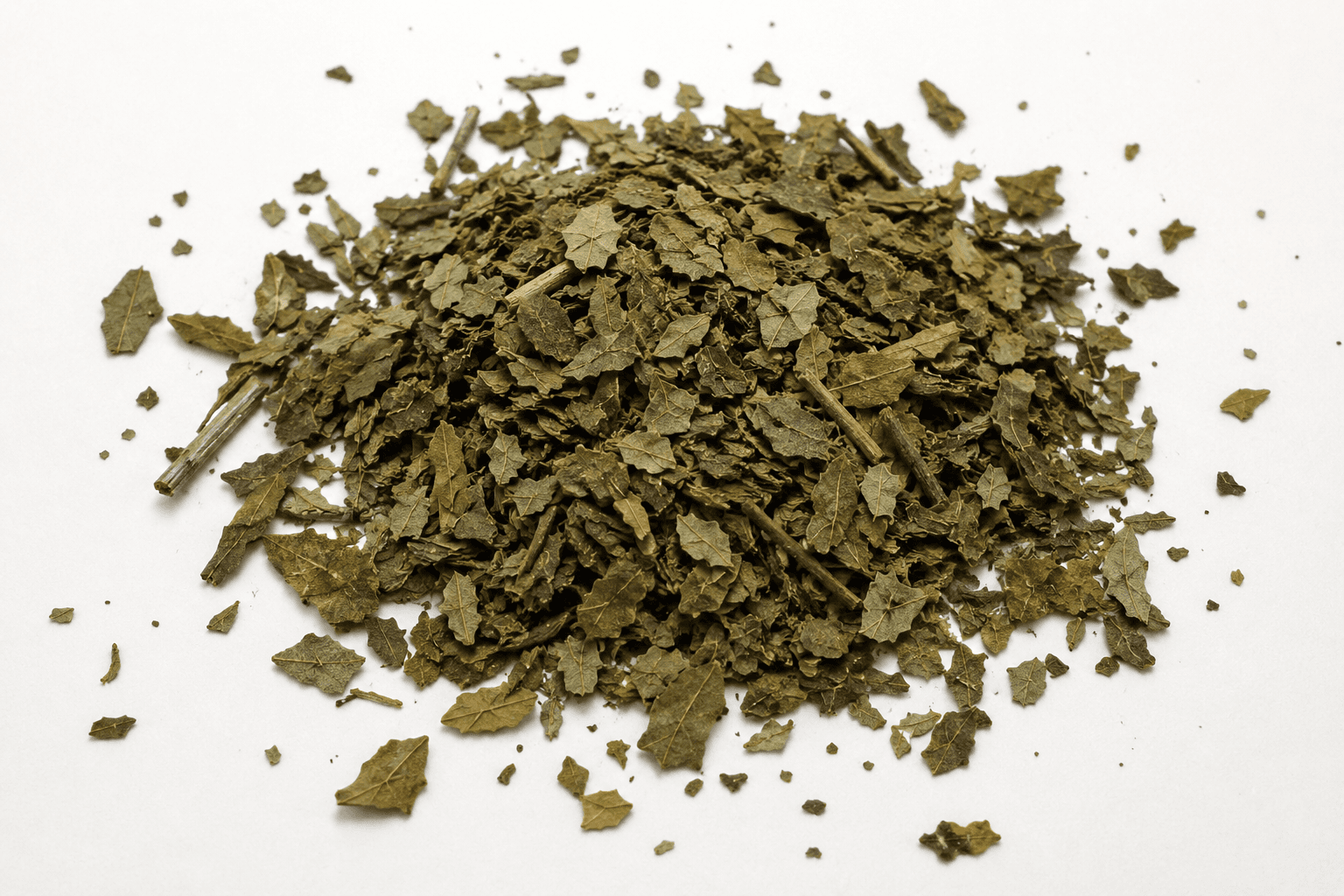
Once dried, yaupon begins to resemble the loose-leaf tea familiar to consumers.
Roasting and Flavor Development
Not all yaupon tea is processed the same way after drying.
Some products are sold as green or unroasted yaupon. These teas retain brighter, herbaceous characteristics with grassy, earthy, or lightly sweet notes.
Other products undergo a roasting step. During roasting, heat transforms aromatic compounds within the leaves, producing darker flavors and a richer aroma.
Roasted yaupon is frequently compared to toasted grains, light coffee, caramelized sugar, or roasted nuts. The exact flavor depends on temperature, duration, and producer technique.
Since roasting significantly shapes flavor, two products from the same harvest may taste surprisingly different.
Packaging and Storage
After processing is complete, yaupon is prepared for sale.
Some producers package whole leaves, while others create blends consisting of broken leaf material, stems, or different roast levels. Products may be sold as loose-leaf tea, tea sachets, tea bags, or ready-to-drink beverages.
Packaging protects dried material from moisture and environmental exposure during distribution and retail.
Does Processing Affect Caffeine?
A common question is whether roasting changes yaupon's caffeine content.
Processing changes flavor and aroma, but caffeine remains present in all styles.
Brewing method, leaf quantity, steeping time, and product often affect caffeine levels more than roasted versus green style.
Challenges of Building a Yaupon Industry
Harvesting yaupon may sound simple, but scaling production presents challenges.
Unlike globally established crops such as coffee or traditional tea, yaupon remains a relatively young commercial industry. Producers must balance harvesting efficiency, product quality, sustainable land management, processing infrastructure, and consumer education.
Labor is a significant obstacle because harvesting involves selective cutting rather than mechanized systems. Processing infrastructure is another challenge; drying, roasting, and handling facilities remain limited compared with the extensive networks that support coffee and tea industries.
Market awareness also remains a hurdle. Although yaupon is native to Texas and much of the southeastern United States, many consumers are unfamiliar with its history, flavor, and caffeine content. Companies frequently invest effort in explaining what yaupon is before marketing specific products.
Convincing customers to try a lesser-known native beverage can require significant marketing and education.
As interest in Texas-grown products, regional foods, and native plants grows, yaupon production infrastructure is expanding in step with demand.
FAQ
Does yaupon tea contain caffeine?
Yes. Yaupon naturally contains caffeine. Processing may affect flavor, but caffeine is found in both roasted and unroasted forms.
What is the difference between wild and cultivated yaupon?
Wild yaupon is harvested from naturally occurring stands, while cultivated yaupon is grown in managed plantings. Both can produce quality tea, though cultivated operations may offer more predictable harvest volumes and easier access for harvesting.
How does roasting affect yaupon flavor?
Roasting creates darker, richer flavors often described as nutty, toasted, or caramel-like. Unroasted yaupon tends to retain brighter herbal, grassy, and lightly sweet characteristics.
Conclusion
Every cup of yaupon tea begins with a native Texas plant. Harvesting, drying, roasting, and packaging all shape the finished product, from light green yaupon to darker roasted styles.
Looking ahead, yaupon production in Texas will depend on investment in harvesting systems, processing infrastructure, cultivation research, and consumer awareness. As demand for Texas-grown products and native crops expands, producers may have new opportunities to increase production while maintaining sustainable management practices.
The industry remains in an early stage of development. Continued investment could strengthen Texas supply chains, create economic opportunities, and establish yaupon as a distinctive state agricultural product.
About

Featured Posts

Explore Topics


Related Post

Jun 3, 2026
Texas has become the center of the modern yaupon industry. Learn how producers such as CatSpring Yaupon, Lost Pines Yaupon, and emerging regional brands are helping revive North America's only native caffeinated plant through sustainable harvesting, education, and innovative products.
Jun 1, 2026
Yaupon tea is experiencing a modern revival across Texas and the American South. Explore the opportunities, challenges, and long-term trends shaping the future of North America's only native caffeinated plant.

Jun 1, 2026
Yaupon currently has no industry-wide certification system, but future standards could help improve authenticity, traceability, product quality, and consumer confidence. Explore the opportunities and challenges of certification in the growing yaupon industry.