Where Yaupon Fits in Texas Ecosystems
Yaupon holly is one of Texas's most widespread native plants, supporting wildlife, pollinators, and healthy ecosystems across forests, woodlands, coastal habitats, and river corridors. Learn how yaupon fits into Texas landscapes and why it remains ecologically important today.
Texas Yaupon Editorial Team
Reading Time: 5 minutes
Category: Ecology & Conservation
Updated: June 2026
Key Takeaways
Yaupon holly is one of Texas's most widespread native woody plants, occurring across multiple ecoregions.
It grows naturally in forests, woodlands, coastal areas, and along rivers.
Yaupon evolved alongside many well-known Texas plants and animals.
Its flowers, evergreen foliage, and berries provide resources for wildlife throughout the year.
Understanding yaupon's role in native plant communities helps explain its ecological importance.
Understanding Yaupon's Place in Texas Ecosystems
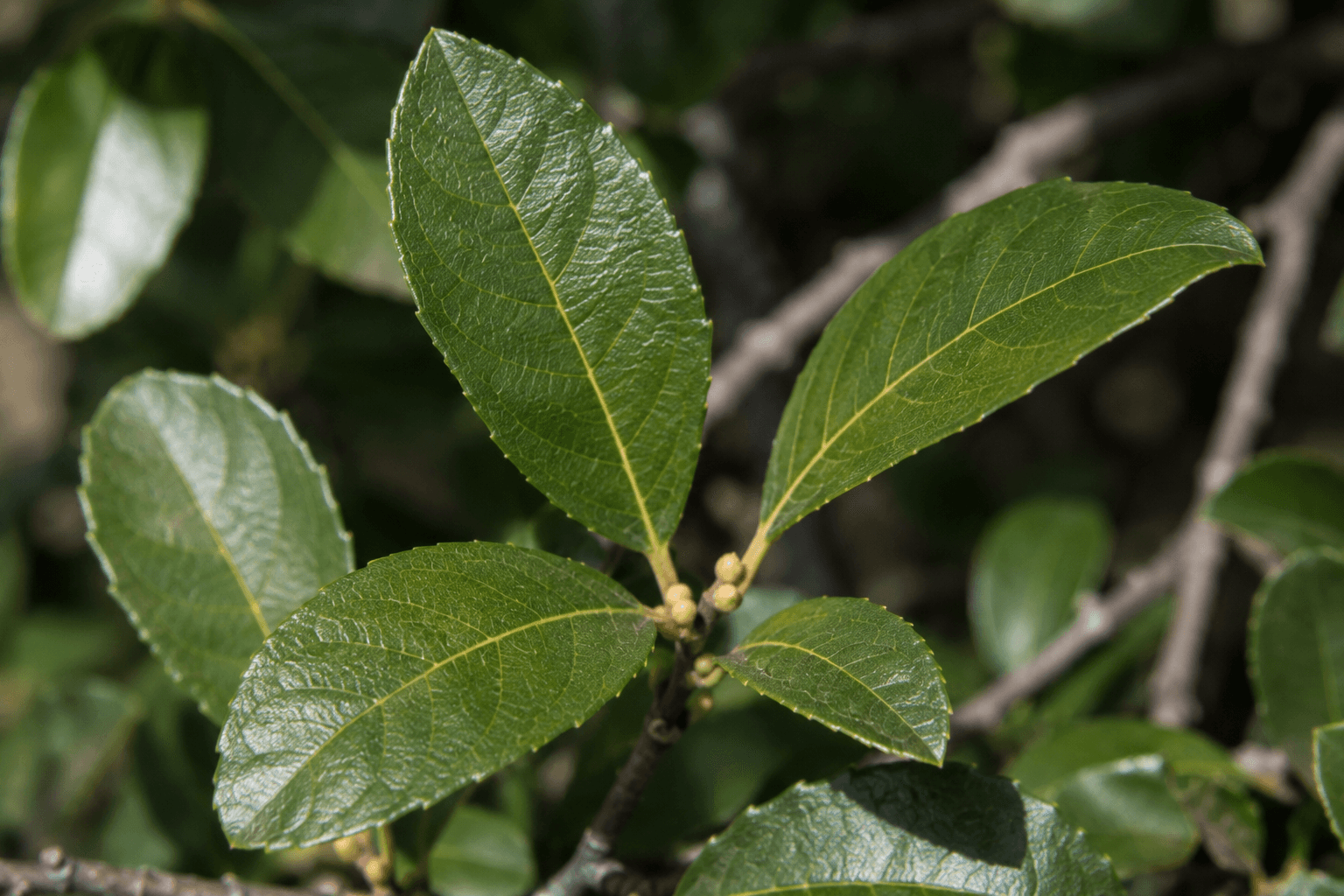
Texas is home to thousands of native plants. Yaupon holly (Ilex vomitoria) is among the most common, thriving in forests, woodlands, coastal areas, and river corridors across the state. Despite its wide presence, many people pass it by, considering it just another evergreen shrub.
Yaupon evolved alongside many of the trees and shrubs that shape Texas landscapes today. Its resilience across diverse environments and evergreen leaves enable it to provide continuous benefits to birds, pollinators, and other wildlife.
By exploring where yaupon fits within native plant communities, we gain a deeper appreciation for its lasting ecological significance across Texas.
A Native Plant with Deep Texas Roots
Yaupon has been part of Texas ecosystems for thousands of years.
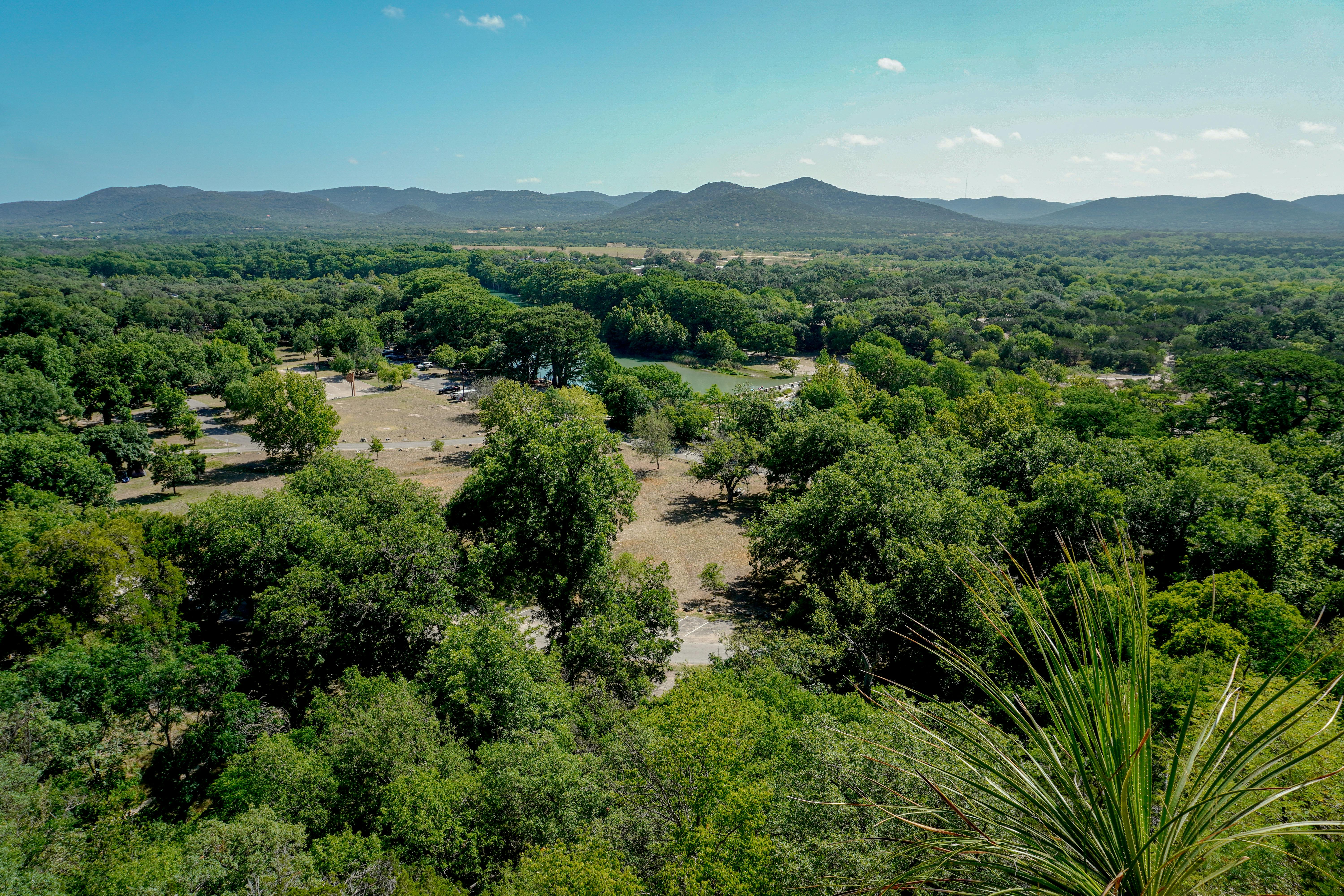
Its natural range includes East Texas, the Gulf Coast, parts of Central Texas, and nearby southeastern states. Long before modern landscaping and agriculture, yaupon grew alongside many native trees and shrubs that still define Texas landscapes today.
Common plant associates include:
Live oak
Post oak
Water oak
Southern magnolia
Loblolly pine
American beautyberry
Wax myrtle
Eastern red cedar
Together, these plants create habitats for many birds, mammals, reptiles, insects, and pollinators.
Why Yaupon Is So Successful
One reason yaupon is so common is its adaptability.
Many plants need very specific growing conditions. Yaupon does not. It grows in sandy coastal soils, shaded forests, river corridors, and dry woodlands.
It also tolerates:
Heat
Drought
Humidity
Periodic flooding
Salt spray near the coast
This versatility lets yaupon prosper across Texas, while many species remain confined to limited regions.
An Important Wildlife Plant
Yaupon supports wildlife throughout the year.
Its dense evergreen cover offers vital shelter and nesting sites for birds and small animals. This shelter becomes crucial in winter when most plants shed their leaves.
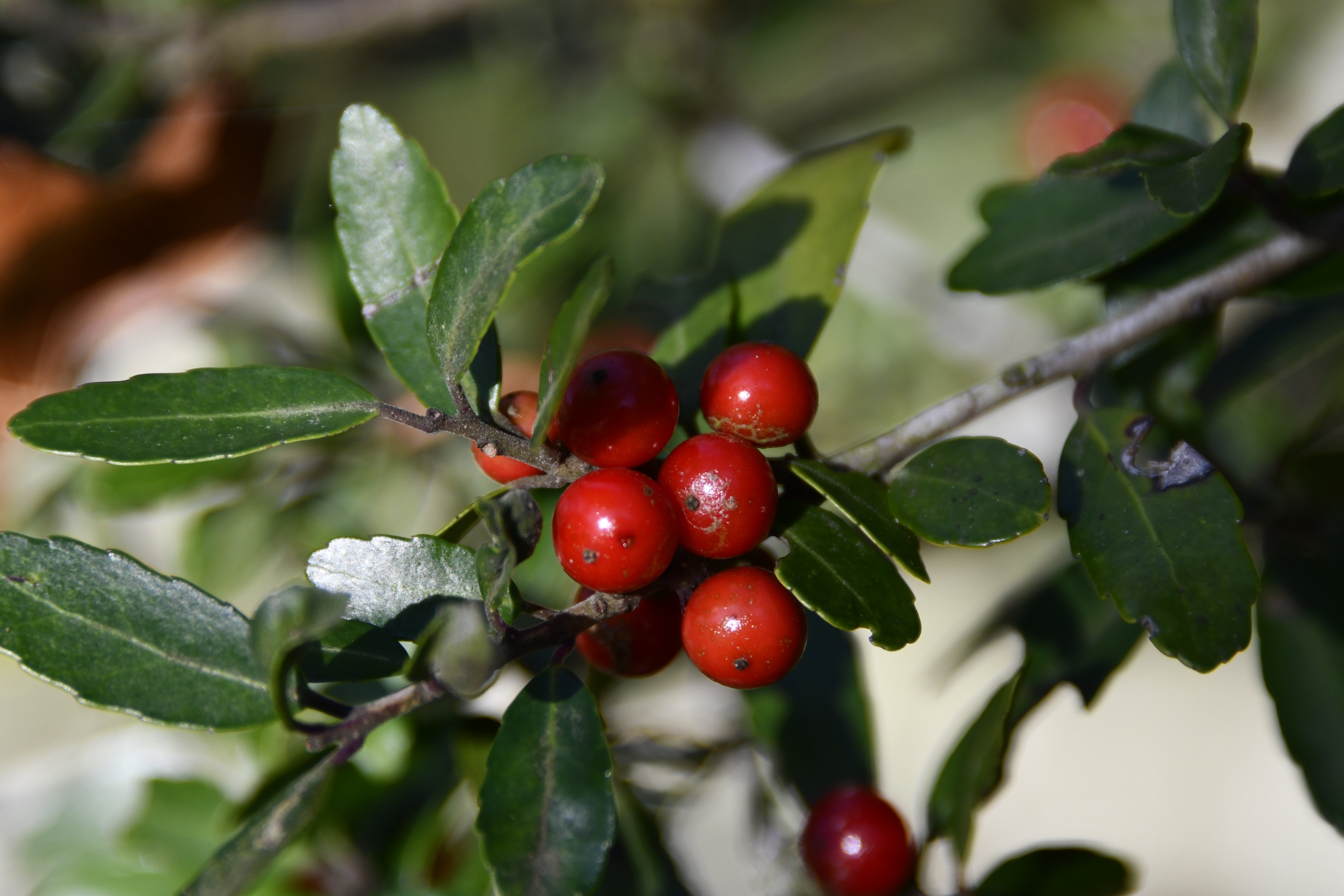
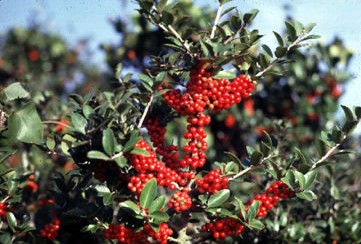
Female yaupon plants produce bright red berries that often remain through the colder months. These berries provide food for many bird species when other food sources are limited.
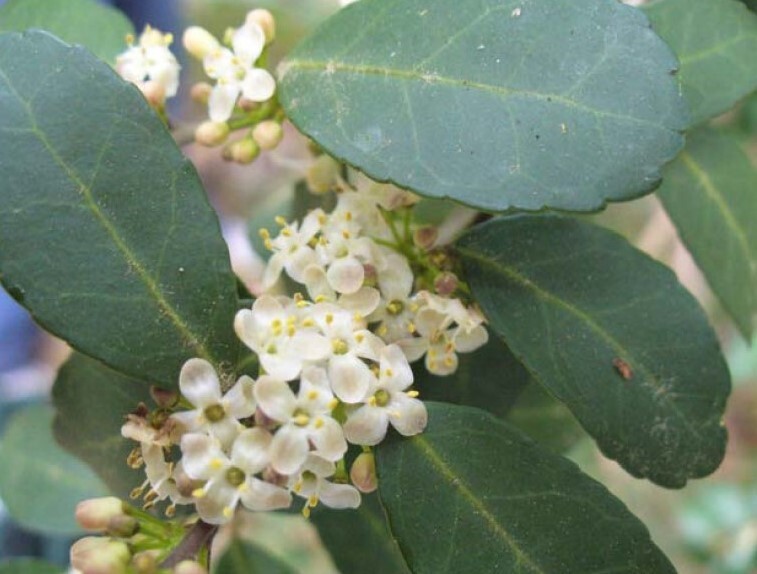
The plant's small spring blossoms draw bees and other pollinators.
Because yaupon supports wildlife continuously, it does more than occupy space in the understory. It supports entire wildlife communities.
Learn more in Yaupon and Wildlife: Birds, Pollinators, and Habitat.
Part of a Larger Native Ecosystem
Yaupon is part of a larger network that includes native trees, grasses, wildflowers, fungi, insects, birds, and mammals. Healthy ecosystems depend on these connections.
When native plant communities stay healthy, they provide:
Wildlife habitat
Soil stabilization
Pollinator resources
Water filtration
Greater resilience during drought and extreme weather
Yaupon helps support all of these functions. Because it is native to the region, yaupon also contributes to conservation and habitat restoration efforts throughout Texas.
More Than Just a Shrub
Interest in native plants, ecological restoration, and local food systems has renewed attention to yaupon. Texans are recognizing its ecological value, its role in Indigenous traditions, and its use as a caffeinated tea.
Few native Texas plants combine ecological importance, cultural history, and modern commercial potential in the same way.
Conclusion
Texas landscapes are shaped by many native plant species.
Whether it grows beneath live oaks, in coastal forests, or in East Texas woodlands, yaupon remains an important part of Texas's natural heritage. As interest in native plants continues to grow, yaupon remains an important example of how a common species can support wildlife, strengthen ecosystems, and connect Texans to the state's natural history.
About

Featured Posts

Explore Topics
Related Post
Jun 3, 2026
Yaupon holly supports far more than tea drinkers. Its flowers provide nectar for pollinators, its berries feed birds through fall and winter, and its evergreen structure offers year-round shelter for wildlife across Texas ecosystems.
Jun 1, 2026
Discover how yaupon supports Texas wildlife, provides year-round habitat, aids pollinators, and contributes to resilient native ecosystems across the state.