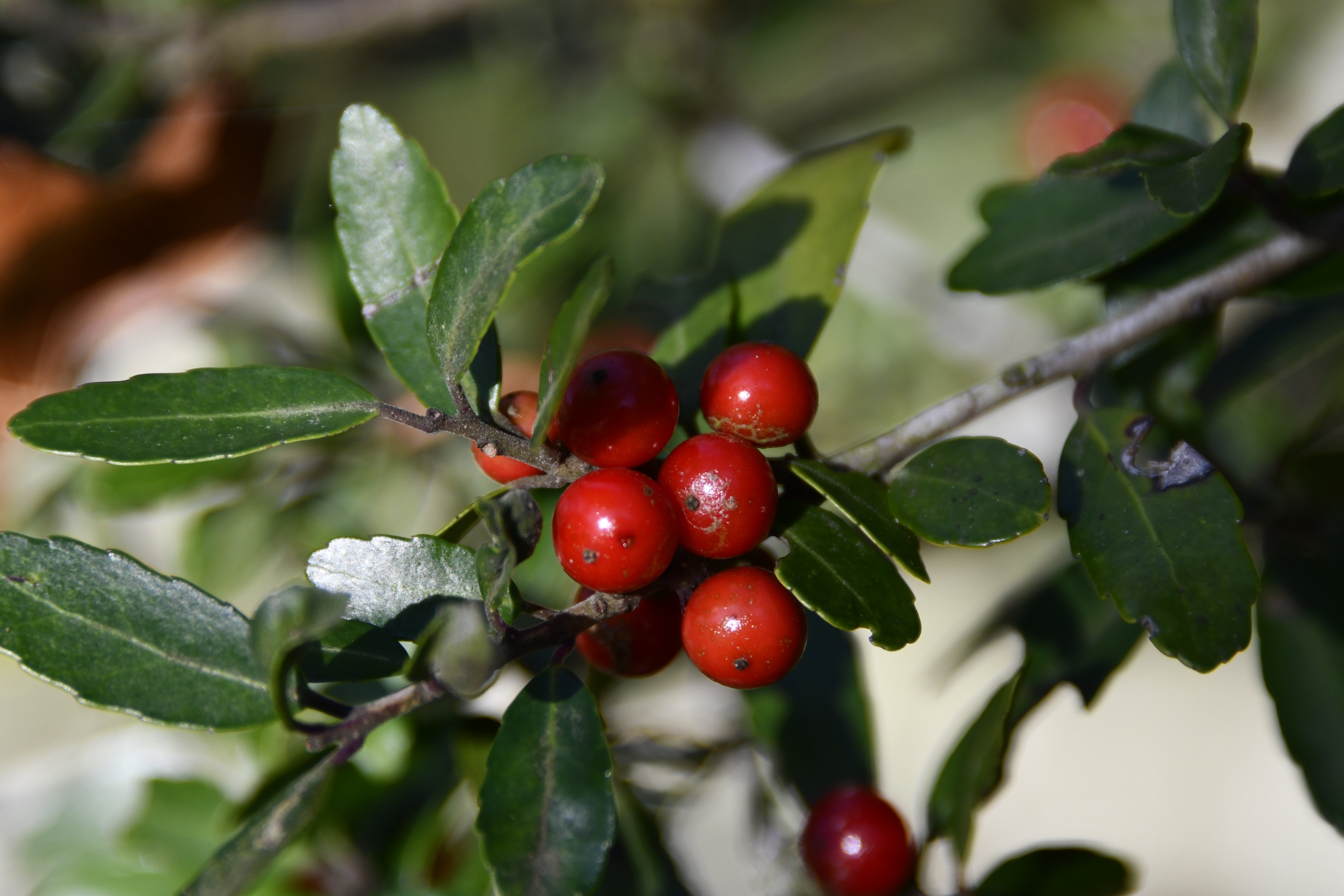
Is Yaupon Tea Safe? Caffeine, Side Effects, and Common Questions
Yaupon tea has been consumed for centuries and remains one of North America's only naturally caffeinated native plants. Learn about its caffeine content, common side effects, the meaning behind the name Ilex vomitoria, and what most people should know before making yaupon part of their daily routine.
Texas Yaupon Editorial Team

Reading Time: 6 minutes
Category: Health & Nutrition
Updated: June 2026
3 Quick Facts
Yaupon tea has been safely consumed for centuries and is widely enjoyed today.
It naturally contains caffeine, typically less than in coffee and comparable to that in many teas.
For most healthy adults, moderate yaupon consumption fits within normal daily caffeine intake.
Introduction
Many people wonder whether yaupon tea is safe to drink.
This question often arises because yaupon's scientific name, Ilex vomitoria, may appear concerning. Many also wonder about its caffeine content and how it compares to other caffeinated beverages.
Yaupon is one of North America's few naturally caffeinated plants, long consumed as a beverage. Like coffee, tea, and yerba mate, it shares similar considerations around caffeine intake.
If you're new to yaupon, you may want to check out our guides on its history, flavor, and harvesting and processing.
Why Does Yaupon Have the Name Ilex vomitoria?
Much of the confusion around yaupon comes from its scientific name.
European botanists named it vomitoria based on historical accounts of ceremonial practices among Indigenous peoples of the southeastern United States. Researchers believe any vomiting associated with those ceremonies resulted from ritual practices or large fluid intake rather than yaupon itself.
Drinking yaupon tea as a normal beverage doesn't cause vomiting. The scientific name is a historical artifact, not a description of the plant's effects.
For additional background, see our article on the origins and cultural history of yaupon tea.
Does Yaupon Contain Caffeine?
Yes.
Yaupon naturally contains caffeine, making it unique among North American plants.
Caffeine levels vary based on:
Growing conditions
Harvest timing
Processing methods
Roasting
Brewing strength
Yaupon generally contains less caffeine than coffee and falls within the range of traditional teas.
What Side Effects Can Yaupon Cause?
Yaupon's side effects are primarily related to caffeine and may include:
Increased alertness
Difficulty sleeping if consumed late
Jitters in caffeine-sensitive individuals
Increased heart rate in some people
Digestive discomfort when consumed in large amounts
Individual responses to caffeine and tolerance levels differ.
As with coffee, tea, and other caffeinated beverages, moderation and personal sensitivity are important considerations.
Can You Drink Yaupon Every Day?
Many people choose to include yaupon in their daily routines.
For healthy adults, moderate daily yaupon consumption is comparable to moderate coffee or tea consumption. The key consideration is total daily caffeine intake across all beverages and products.
If you're considering making yaupon part of your routine, our guide to brewing yaupon tea at home offers tips for adjusting strength and caffeine levels.
Who Should Limit Caffeine Intake?
Some people should be more cautious with yaupon and other caffeinated beverages:
People highly sensitive to caffeine
Those advised by a physician to limit caffeine
Individuals experiencing sleep issues
People with certain heart conditions
Pregnant individuals following medical guidance
Consult a healthcare professional if you have questions about caffeine and your specific health situation.
How Does Yaupon Compare to Coffee and Tea?
Beverage | Typical Caffeine Range (8 oz)* | Flavor Profile | Native to North America? | Naturally Caffeinated? |
Coffee | ~80–120 mg | Bold, roasted | No | Yes |
Black Tea | ~40–70 mg | Robust, tannic | No | Yes |
Green Tea | ~20–45 mg | Grassy, vegetal | No | Yes |
Yaupon Tea | ~20–60 mg | Smooth, earthy, sometimes lightly sweet | Yes | Yes |
Herbal Tea | Usually 0 mg | Varied by herb | Sometimes | Usually No |
*Caffeine levels vary significantly based on serving size, preparation method, and product.
Many consumers choose yaupon because it is a native North American plant with a distinctive flavor and cultural history.
Frequently Asked Questions
Is yaupon poisonous?
Yaupon tea made from properly prepared leaves is commonly consumed. The berries are not used for tea and should not be consumed.
Does yaupon make you vomit?
No. The association comes from historical interpretations tied to its scientific name, not normal tea consumption.
Does roasted yaupon change the caffeine content?
Roasting mainly affects flavor and aroma. Caffeine levels vary more by processing and brewing methods than by roasting itself.
Can children drink yaupon?
Because yaupon contains caffeine, parents and guardians should treat it similarly to other caffeinated beverages and follow guidance from healthcare professionals or relevant health authorities.
Is yaupon safer than coffee?
Neither is inherently safer for most healthy adults. Both contain caffeine, and individual tolerance, serving size, and total daily intake are generally more important considerations than the beverage itself.
Does yaupon tea have more caffeine than coffee?
Typically, no. Coffee usually has more caffeine per serving than yaupon tea, but this can vary by preparation and product.
Can you drink yaupon tea before bed?
Yaupon contains caffeine, so drinking it near bedtime may affect sleep. Individuals sensitive to caffeine may prefer to avoid it in the evening.
Does yaupon tea contain antioxidants?
Like tea, coffee, and many plant-based beverages, yaupon naturally contains polyphenols and other compounds that are often classified as antioxidants. Research on yaupon continues, but it is best viewed as a beverage rather than a treatment or health product.
Is yaupon tea acidic like coffee?
Yaupon is generally considered less acidic in flavor than many coffees, though acidity can vary depending on preparation and individual perception.
Can yaupon tea be consumed hot or iced?
Yes. Yaupon is commonly prepared hot, cold-brewed, or iced, with caffeine varying by brewing method.
Final Thoughts
Yaupon has a long history as a beverage and is increasingly popular among those seeking a caffeinated drink native to North America.
Like coffee and tea, it contains caffeine and should be consumed with awareness of individual tolerance and overall intake. For most healthy adults, moderate yaupon consumption can be a safe and enjoyable part of a balanced diet.
Sources & Further Reading
U.S. Department of Agriculture (USDA) Plants Database — Ilex vomitoria species information
Lady Bird Johnson Wildflower Center, University of Texas at Austin — Native plant profiles and horticultural information on yaupon
Florida Native Plant Society — Educational resources on yaupon and its ecological role
Palumbo, M.J., et al. Research on caffeine-containing North American plants and yaupon tea chemistry
Peer-reviewed studies published in journals such as Economic Botany and Journal of Ethnobiology covering yaupon's historical use, chemistry, and cultural significance
About

Featured Posts


Explore Topics