The Case for Yaupon Certification—And the Challenges Ahead
Yaupon currently has no industry-wide certification system, but future standards could help improve authenticity, traceability, product quality, and consumer confidence. Explore the opportunities and challenges of certification in the growing yaupon industry.
Texas Yaupon Editorial Team

Reading Time: 4 minutes
Category: Industry & Standards
Updated: May 2026
Key Takeaways
No widely adopted yaupon certification exists today.
Standards could improve consumer trust and product transparency.
Certification may address authenticity, origin, processing, and sustainability.
Texas could play a leading role in developing future standards.
Strong standards must support both quality and producer participation.
Should Yaupon Have Certification Standards?
As the yaupon industry grows, questions about certification and product standards are becoming more relevant.
Many agricultural and specialty food sectors rely on certifications to establish quality, authenticity, and consumer trust. Coffee has Fair Trade and specialty-grade certifications. Wine has appellation systems. Olive oil has purity standards. Organic produce has USDA Organic certification. These systems help buyers understand where products come from and how they are made.
Yaupon doesn't yet have a widely adopted certification system. As the market expands, interest in product standards and third-party verification may grow alongside it.
Why Standards Matter
As markets mature, consumers often place greater value on transparency and consistency.
A certification framework could help answer questions that consumers are starting to ask:
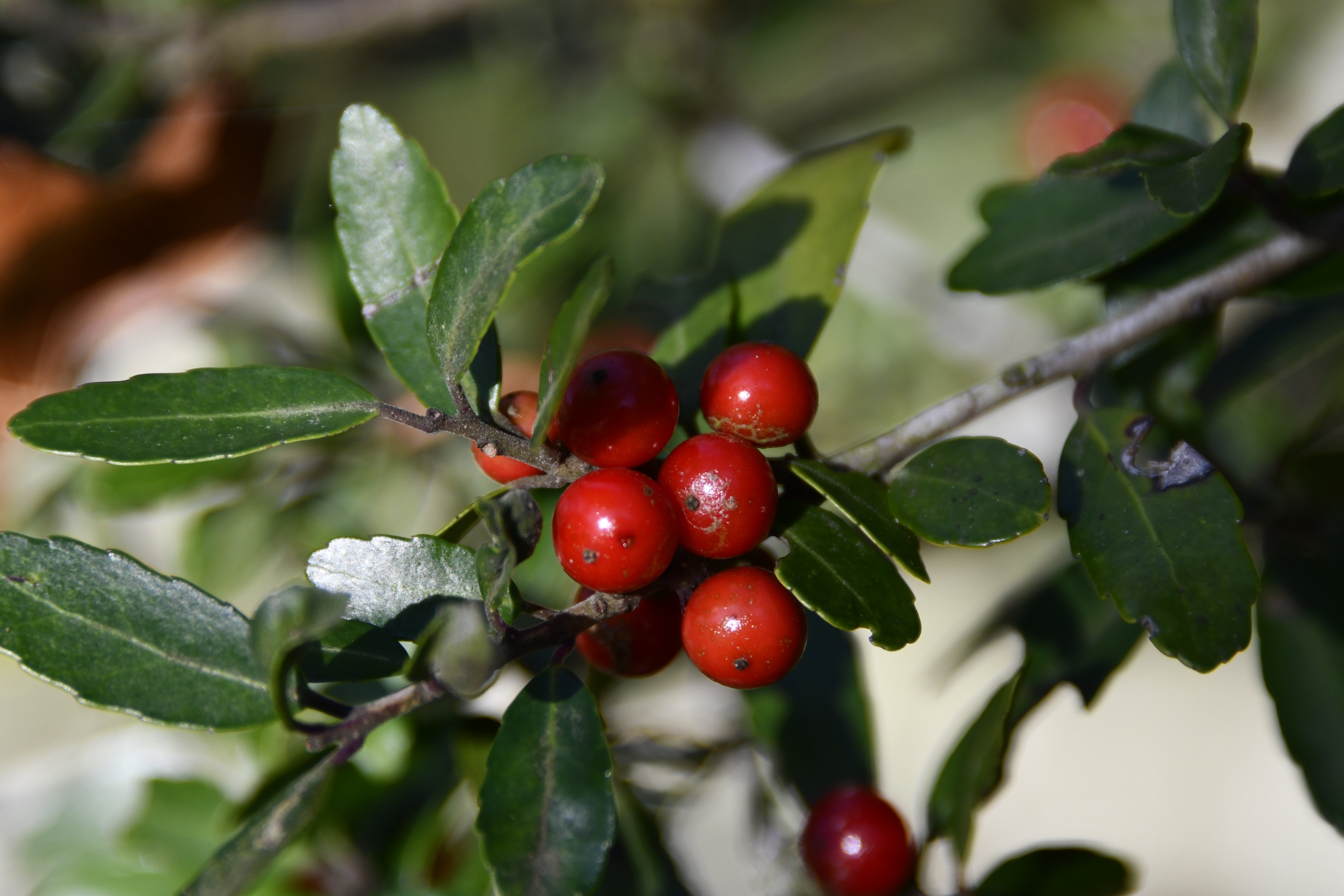
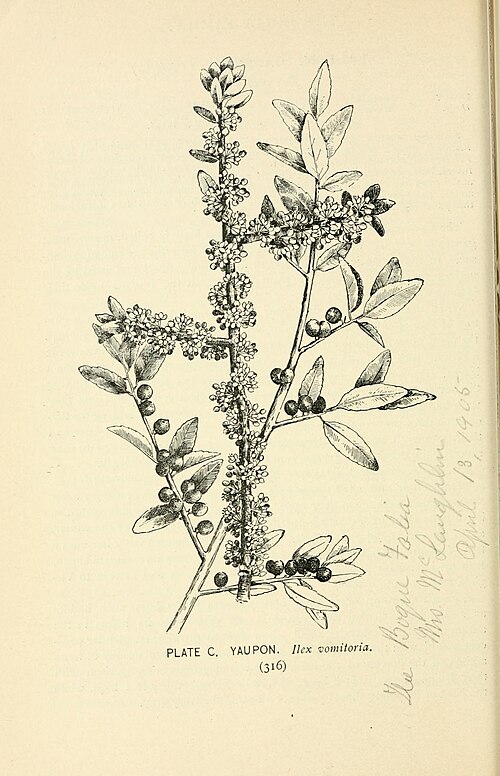
Is this product made from true yaupon holly (Ilex vomitoria)?
Where was it sourced?
How was it harvested and processed?
Were sustainable practices followed?
Clear standards help both consumers and producers navigate a growing marketplace. They also protect the industry from experiences that could damage trust, such as mislabeled products, inconsistent quality, or unsustainable harvesting practices.
Why Certification Doesn't Exist Today
The yaupon industry is still relatively small. Many producers sell directly to consumers through farmers markets, online stores, or local retailers. Transparency is currently driven by producer reputation and direct disclosure rather than formal certification programs.
The sector may not yet be large enough to justify a dedicated certification program. Developing and maintaining a certification system requires administrative infrastructure, funding, and broad participation—resources that are difficult to mobilize when the market is still emerging.
For now, most yaupon buyers rely on producer websites, product labels, and direct communication to understand sourcing and processing. This works well at current market scales but may become less practical as the industry grows.
What Certification Could Cover
A future yaupon certification program might evaluate several areas.
Species Verification
Products would need to come from authentic yaupon holly, not substitute ingredients or unrelated species. This matters because yaupon is sometimes confused with other hollies or sold under misleading names.
Origin and Traceability
Producers could document where yaupon was harvested or cultivated, creating a clear chain of custody from landscape to consumer. This is especially important for wild-harvested yaupon, where the source location affects both quality and ecological impact.
Processing Guidelines
Standards could establish best practices for drying, roasting, storage, and quality control. Consistent processing methods would help ensure that products meet baseline expectations for flavor and safety.
Environmental Stewardship
Certification could recognize responsible harvesting and land management practices that protect native ecosystems. For wild-harvested yaupon, this might include limits on harvest intensity, rotation of harvest areas, or protection of sensitive habitats.
A Texas Opportunity
Texas contains some of the largest and most extensive yaupon populations in North America and remains the center of the plant's modern revival.
If certification standards eventually emerge, Texas would be well-positioned to help shape them. The state has active producers, university researchers, and native plant organizations with the expertise to develop guidelines that reflect both ecological reality and market needs.
Challenges to Consider
Certification systems come with costs and administrative demands.
Any future framework would need to balance:
Accessibility for small producers: Certification shouldn't be so expensive or complex that it excludes small-scale yaupon growers.
Meaningful quality requirements: Standards must actually matter to consumers, not just be a marketing label.
Scientific accuracy: Guidelines should reflect real ecological and agricultural science, not just industry preferences.
Consumer understanding: Labels need to be clear and meaningful, not confusing or overloaded with jargon.
Producer participation: A certification only works if enough producers join to make it meaningful.
The goal should be to support growth without creating unnecessary barriers.
What's Next
Today, no universal certification standard exists for yaupon products. There's no USDA-recognized program, no industry-wide label, and no third-party verification system specific to yaupon.
As interest continues to expand, conversations about authenticity, quality, and stewardship are likely to become more important.
Regardless of whether a formal certification system develops, producers and consumers benefit from clear information about sourcing, processing, and land management.
As North America's only native caffeinated plant gains wider recognition, questions of quality, authenticity, and stewardship are likely to remain part of its future.
About

Featured Posts
Explore Topics


Related Post
Jun 3, 2026
Learn how yaupon tea travels from native Texas shrub to finished beverage. Explore harvesting methods, drying, roasting, processing, and the challenges of building a modern yaupon industry.

Jun 3, 2026
Texas has become the center of the modern yaupon industry. Learn how producers such as CatSpring Yaupon, Lost Pines Yaupon, and emerging regional brands are helping revive North America's only native caffeinated plant through sustainable harvesting, education, and innovative products.
Jun 1, 2026
Yaupon tea is experiencing a modern revival across Texas and the American South. Explore the opportunities, challenges, and long-term trends shaping the future of North America's only native caffeinated plant.