Can Yaupon Replace Coffee? Comparing Energy, Ritual, and Daily Use
Wondering if yaupon can replace your daily coffee? Compare caffeine levels, flavor, brewing methods, and the overall drinking experience to see how North America's only native caffeinated plant stacks up against coffee.
Texas Yaupon Editorial Team

Reading Time: 6 minutes
Category: Education
Updated: June 2026
Key Takeaways
Yaupon contains naturally occurring caffeine and can provide a gentle energy boost.
Although experiences vary, many drinkers describe yaupon's caffeine effect as smoother than coffee.
Yaupon can be brewed hot, iced, or cold-brewed, making it easy to incorporate into daily routines.
Coffee remains the stronger and more concentrated caffeine source for most people.
Whether yaupon can replace coffee depends on personal preferences, habits, and desired caffeine intake.
Introduction
If you're considering swapping your morning coffee for another caffeinated drink, one question naturally follows: can yaupon provide the energy, flavor, and daily ritual that coffee drinkers value?
For many people, coffee is more than a beverage. It is a morning ritual, a source of comfort, and often the first step in starting the day. Yet growing numbers of consumers are exploring alternatives that offer caffeine without necessarily replicating every aspect of the coffee experience.
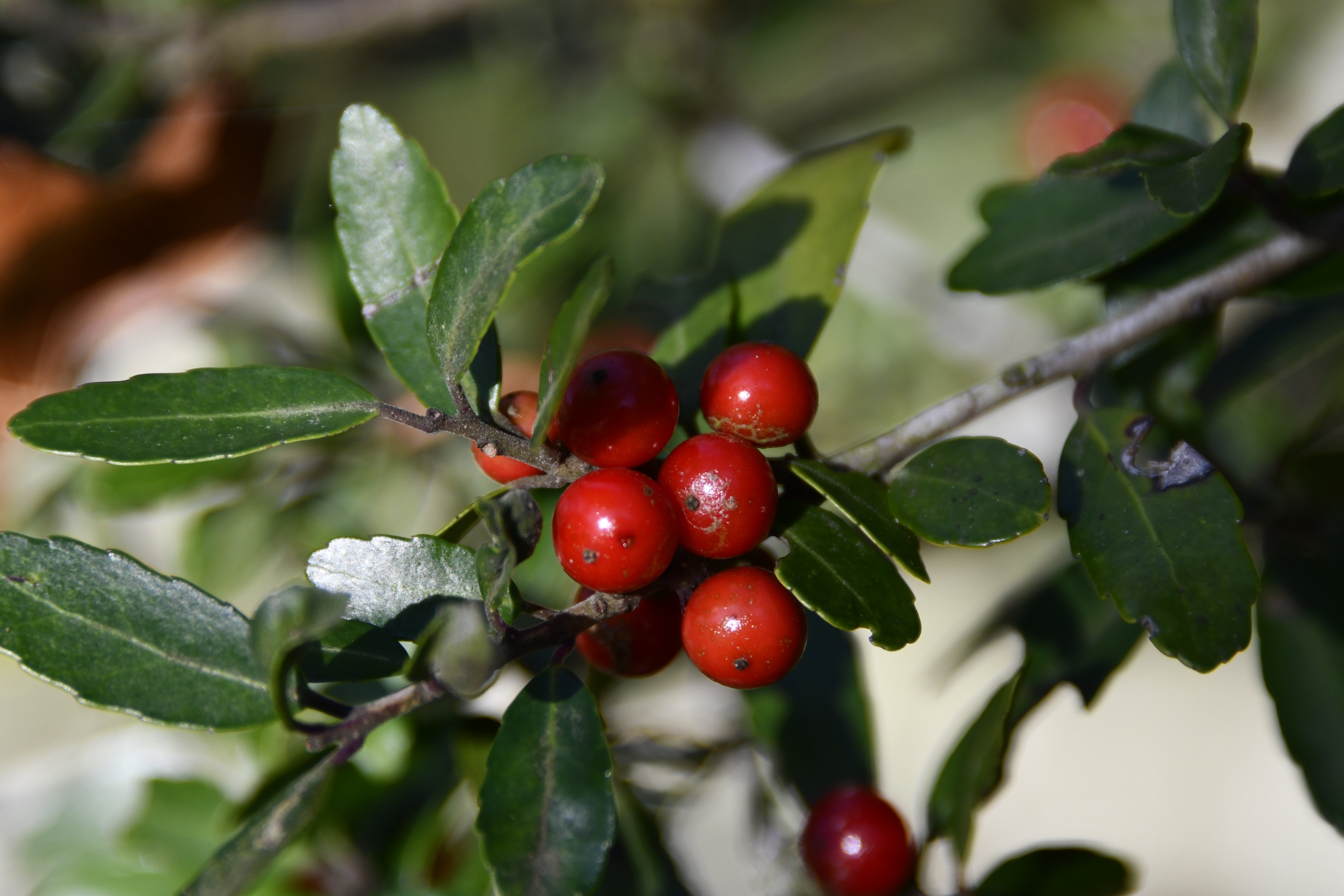
Yaupon, North America's only native caffeinated plant, has become one of the most discussed coffee alternatives. Native to the American Southeast and connected to Texas landscapes and history, it offers a unique combination of caffeine, flavor, and cultural significance.
Whether yaupon can truly replace coffee depends on what someone values most in their daily cup.
Quick Comparison: Yaupon vs. Coffee
Feature | Yaupon | Coffee |
Caffeine | Moderate | Higher |
Flavor | Herbal, grassy, roasted options | Bold, roasted |
Acidity | Generally lower | Typically higher |
Re-steeping | Often possible | No |
Native to North America | Yes | No |
Why People Look for Coffee Alternatives
People seek alternatives to coffee for a variety of reasons.
Some want to reduce caffeine while still enjoying a caffeinated beverage. Others seek new flavors, less acidic drinks, or products with regional and environmental connections. Many are also interested in beverages with simpler ingredient lists and stronger ties to local agriculture.
Yaupon appeals to many of these interests. It is native to the United States, naturally caffeinated, and available in a variety of styles ranging from light and grassy to rich and roasted.
Comparing Caffeine Levels
Coffee generally contains more caffeine per serving than yaupon tea.
A typical cup of brewed coffee contains 80–120 milligrams of caffeine or more, depending on the preparation method. Yaupon's caffeine content varies with harvest, processing, and brewing technique, but most servings contain noticeably less caffeine than coffee.
This difference is one reason some people find yaupon easier to incorporate throughout the day. Instead of delivering a large dose of caffeine at once, it can provide a more moderate level of stimulation.
However, anyone seeking the strongest possible caffeine boost may still prefer coffee.
Energy and Focus
One of the most common questions from new drinkers is whether yaupon provides enough energy to replace a morning coffee.
The answer varies from person to person. Many yaupon drinkers report feeling alert, focused, and energized after drinking it. Some describe the experience as steadier or less intense than coffee, though these impressions are largely anecdotal.
Because caffeine affects individuals differently, no beverage produces the exact same experience for everyone. Factors such as tolerance, body size, sleep quality, and overall health can influence how coffee or yaupon feels.
For some people, yaupon becomes a complete replacement. For others, it serves as a complementary beverage alongside coffee.
Flavor and Drinking Experience
Coffee and yaupon are fundamentally different beverages.
Coffee is known for its bold roasted character, bitterness, and rich aroma. Yaupon is generally lighter and more tea-like.
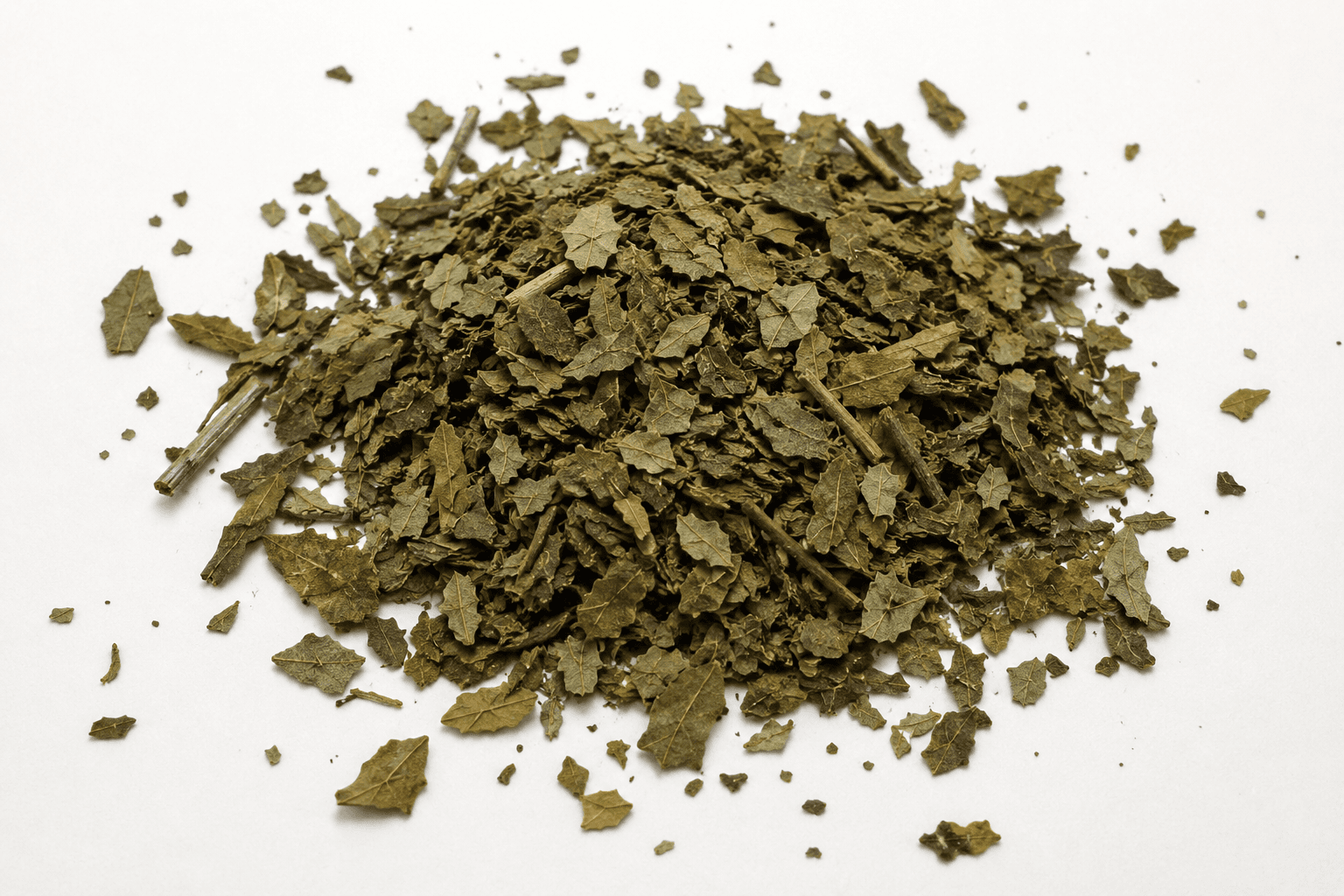
Green yaupon often features grassy, herbal, or subtly sweet notes. Roasted yaupon develops flavors that some drinkers compare to toasted grains, mild coffee, or roasted nuts.
While roasted yaupon may remind some people of coffee, it should not be viewed as a direct flavor substitute. Instead, it offers its own distinct taste profile.
The Daily Ritual
One area where yaupon can easily compete with coffee is ritual.
Preparing loose-leaf yaupon, steeping a mug, and taking a few minutes to start the day can provide many of the same lifestyle benefits people associate with coffee. The act of brewing and enjoying a warm beverage often matters as much as the caffeine itself.
For some drinkers, maintaining a comforting daily routine matters more than replacing coffee's flavor when switching to yaupon.
Convenience and Preparation
Yaupon is relatively easy to prepare.
Most varieties require only hot water and a short steeping time. It can be brewed with tea infusers, tea bags, French presses, or cold-brew methods. Many drinkers also re-steep the leaves multiple times.
Coffee preparation can range from simple drip machines to more involved methods such as espresso, pour-over, or French press brewing.
Both beverages are accessible, but yaupon generally requires less specialized equipment.
Acidity and Digestive Comfort
Many people exploring coffee alternatives are interested in acidity. Coffee naturally contains acids that contribute to its flavor profile, while yaupon is generally considered a milder beverage.
Individual experiences vary, and neither drink is inherently better. However, some people choose yaupon because they prefer its overall drinking experience or are looking for alternatives to traditional coffee.
Who Might Prefer Yaupon?
Yaupon may appeal to:
Tea drinkers looking for a native caffeinated option
Coffee drinkers seeking a lower-caffeine alternative
Consumers interested in Texas and Southeastern food traditions
People who enjoy experimenting with different brewing methods
Those interested in locally grown and regionally significant products
Who Might Prefer Coffee?
Coffee may remain the better choice for:
People who enjoy strong roasted flavors
Those seeking higher caffeine levels per serving
Espresso enthusiasts
Individuals deeply attached to traditional coffee culture and preparation methods
Is Yaupon a Good Coffee Alternative?
For some people, yes.
Many regular yaupon drinkers have reduced or eliminated coffee from their routines. Others alternate between the two depending on the time of day or desired caffeine level.
Rather than viewing yaupon as a direct coffee competitor, it may be more useful to think of it as a different option altogether. It offers its own flavor, history, and cultural identity while still providing the caffeine many people seek.
Conclusion
Yaupon is unlikely to replace coffee for everyone, nor does it need to. Coffee remains one of the world's most popular beverages for good reason.
What makes yaupon compelling is that it offers something different: a native North American caffeine source with deep historical roots, a distinctive flavor profile, and a growing place in modern beverage culture.
For people looking to reduce coffee consumption, experiment with new flavors, or explore a uniquely American beverage tradition, yaupon offers a compelling alternative. It may not replace coffee for everyone, but for many drinkers it becomes a satisfying part of a daily caffeine routine.
About

Featured Posts


Explore Topics