>
>
Yaupon and Wildlife: How Native Holly Supports Birds, Pollinators, and Texas Ecosystems
Yaupon and Wildlife: How Native Holly Supports Birds, Pollinators, and Texas Ecosystems
Yaupon holly supports far more than tea drinkers. Its flowers provide nectar for pollinators, its berries feed birds through fall and winter, and its evergreen structure offers year-round shelter for wildlife across Texas ecosystems.
Texas Yaupon Editorial Team
Reading Time: 5 minutes
Category: Ecology & Conservation
Updated: June 2026
Key Takeaways
Yaupon provides food, shelter, and nesting habitat for a diverse array of wildlife.
Its flowers support native pollinators, including bees and other beneficial insects.
The bright red berries are an important food source for birds during fall and winter.
Dense yaupon thickets offer cover for small mammals, reptiles, and songbirds.
As a native species, yaupon contributes to healthy Texas ecosystems and biodiversity.
Yaupon's Role in Texas Wildlife Habitats
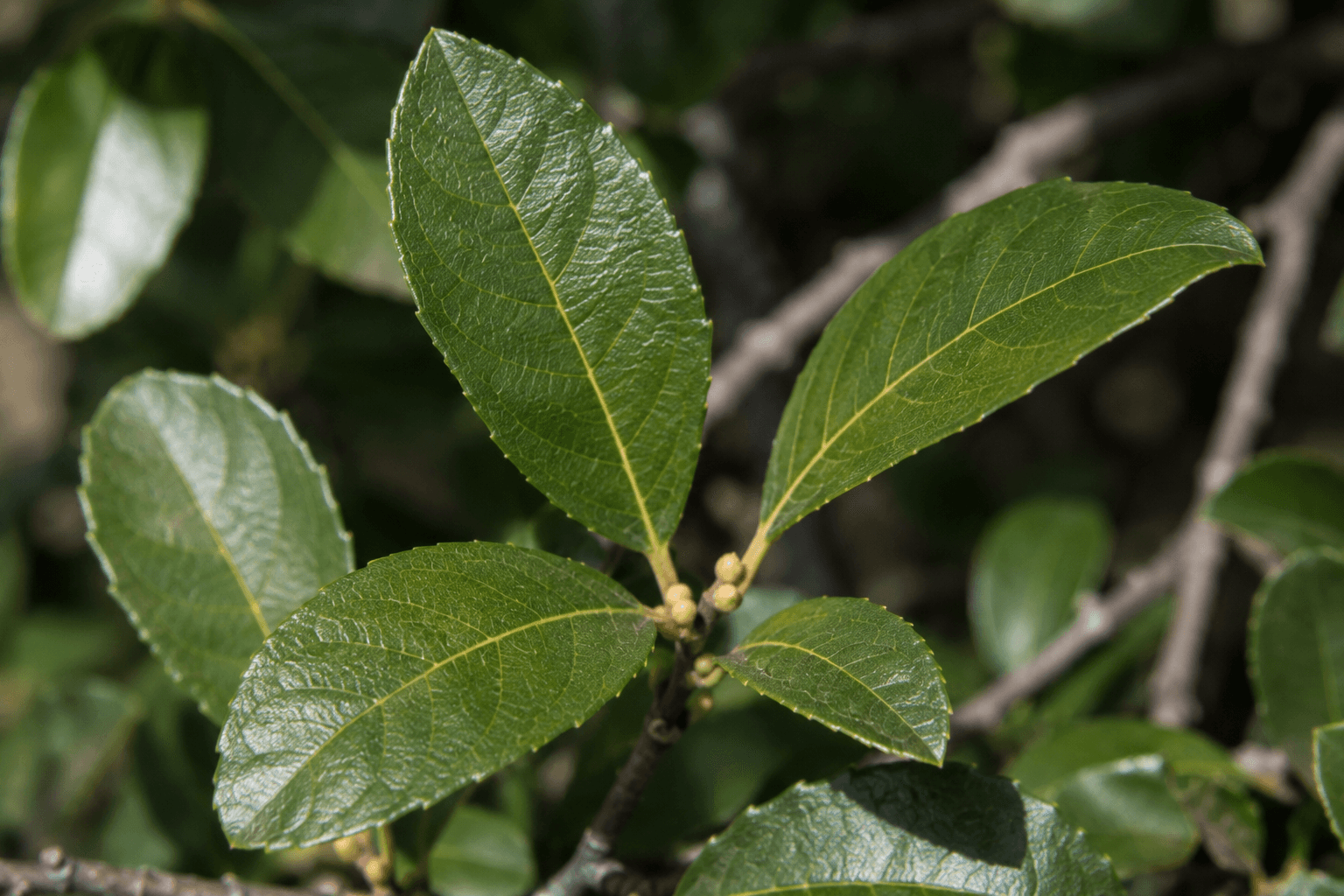
Yaupon holly (Ilex vomitoria) is often recognized for its caffeine content and status as North America's only native caffeinated plant. It also plays an essential role in supporting wildlife.
Across Texas and the southeastern United States, yaupon supplies food, shelter, nesting sites, and seasonal resources for many species. Its berries feed birds, its flowers support pollinators, and its dense evergreen branches provide cover throughout the year.
From migrating songbirds to resident wildlife, many animals depend on yaupon year-round. Its ecological value helps explain why yaupon remains one of the region's most widespread and successful native plants.
A Valuable Food Source for Birds
One of yaupon's most important wildlife benefits comes from its berries.
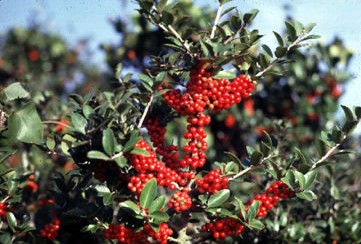
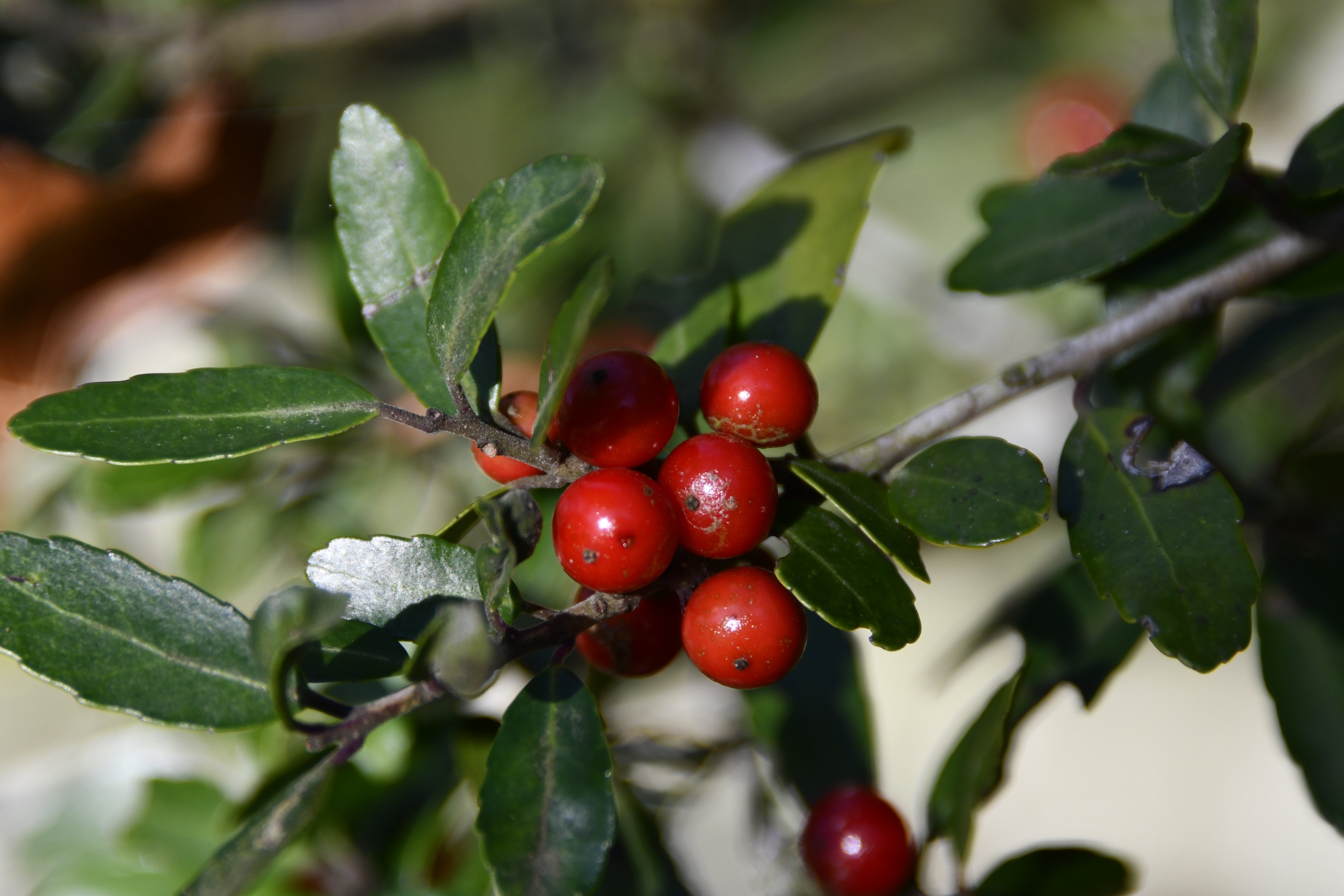
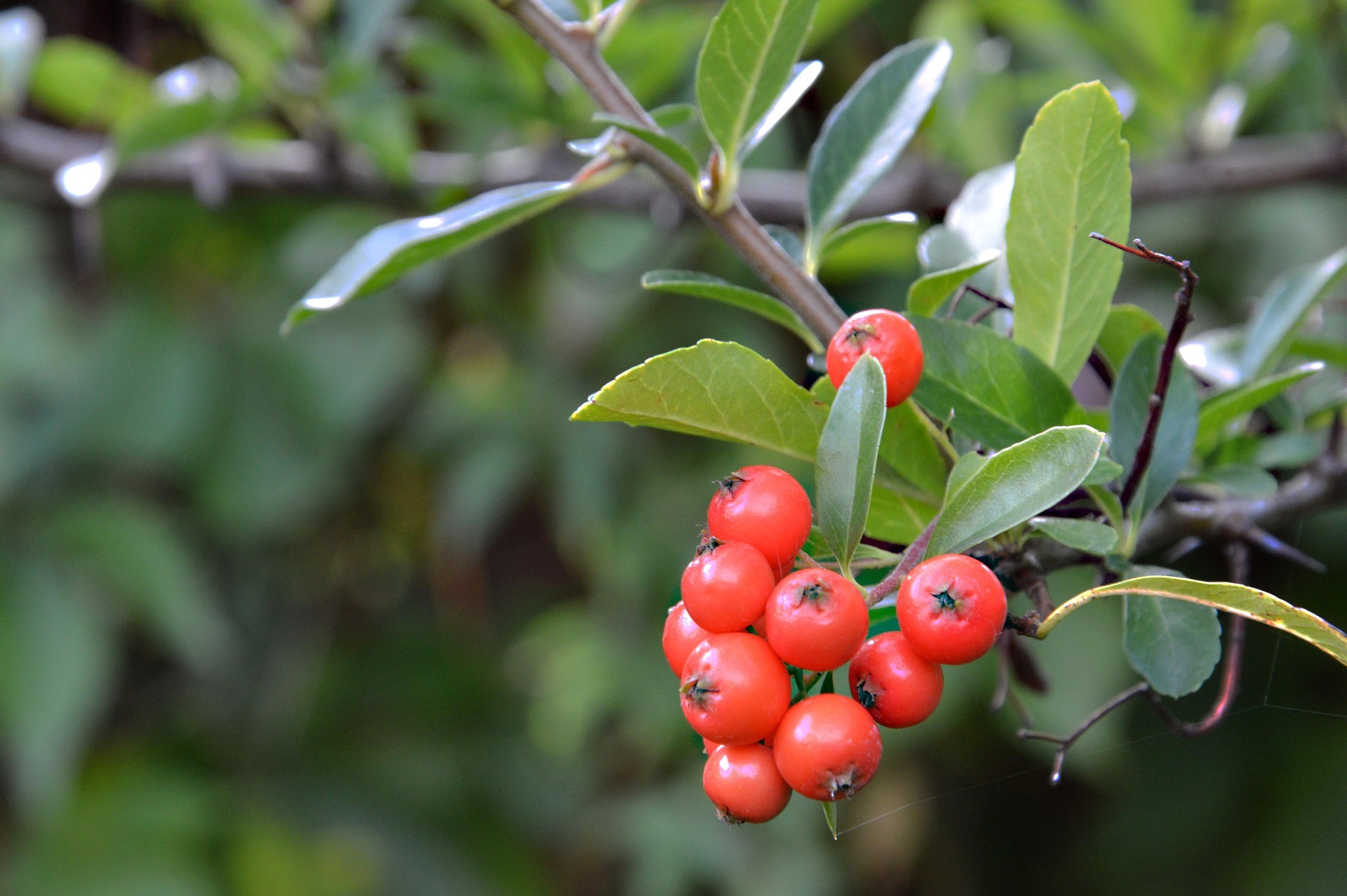
Female yaupon plants produce clusters of bright red berries that often persist through winter. When other food sources are limited, these berries provide valuable energy for birds.
Species commonly observed feeding on yaupon berries include:
American robins
Cedar waxwings
Northern mockingbirds
Eastern bluebirds
Various thrush species
Migratory songbirds passing through Texas
Occasional or regionally documented visitors that also consume yaupon berries include:
Yellow-rumped warblers
Hermit thrushes
Gray catbirds
Brown thrashers
Red-bellied woodpeckers
American goldfinches
Northern cardinals
Wild turkeys in some habitats
By eating and dispersing the berries, birds help spread yaupon throughout the southeastern United States.
Small mammals also use yaupon thickets for cover and occasionally feed on fallen fruit, extending the plant's value throughout native food webs.
Supporting Native Pollinators
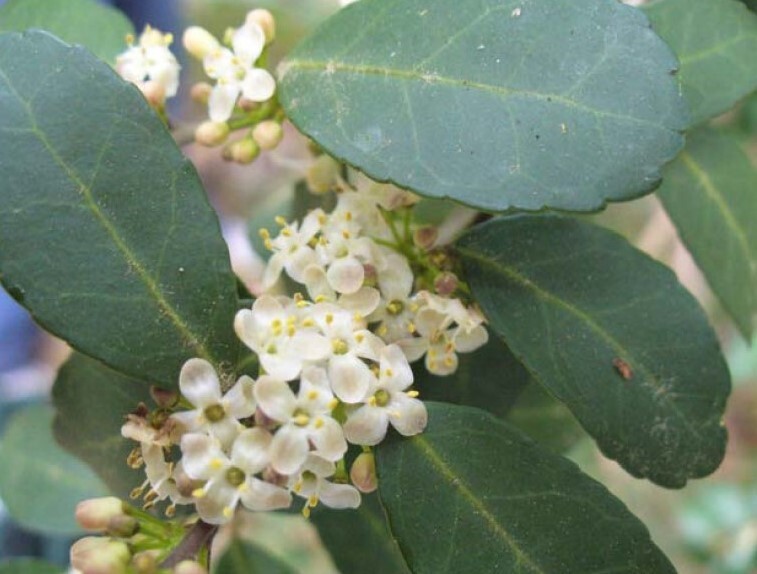
Though small and easily overlooked, yaupon flowers are an important resource for pollinators.
In spring, yaupon produces clusters of white flowers that attract:
Native bees
Honeybees
Wasps
Butterflies
Other beneficial insects
These blooms provide nectar and pollen when many insects are establishing colonies, raising young, and increasing seasonal activity.
Yaupon's wide distribution in Texas makes it a reliable resource within pollinator networks.
Shelter and Nesting Habitat
Yaupon provides more than food—it also creates valuable habitat.
Its dense evergreen growth offers year-round cover for wildlife. In many areas of Texas, yaupon forms a dense understory beneath larger trees, creating protected spaces that help animals avoid predators and harsh weather.
Wildlife commonly found in yaupon thickets includes:
Songbirds
Quail
Small mammals
Lizards
Snakes
Amphibians
Many bird species also nest in yaupon because its dense branches provide concealment and protection.
Even in urban and suburban settings, mature yaupon shrubs can provide important habitat where larger natural areas have been fragmented.
A Year-Round Resource
Unlike many native plants that provide seasonal benefits, yaupon contributes to ecosystems year-round because it remains evergreen.
Spring: Flowers for pollinators
Summer: Shade and cover
Fall: Berries for wildlife
Winter: Shelter when deciduous plants have lost their leaves
This continuous value makes yaupon an important component of many Texas habitats.
Yaupon's Place in Texas Ecosystems
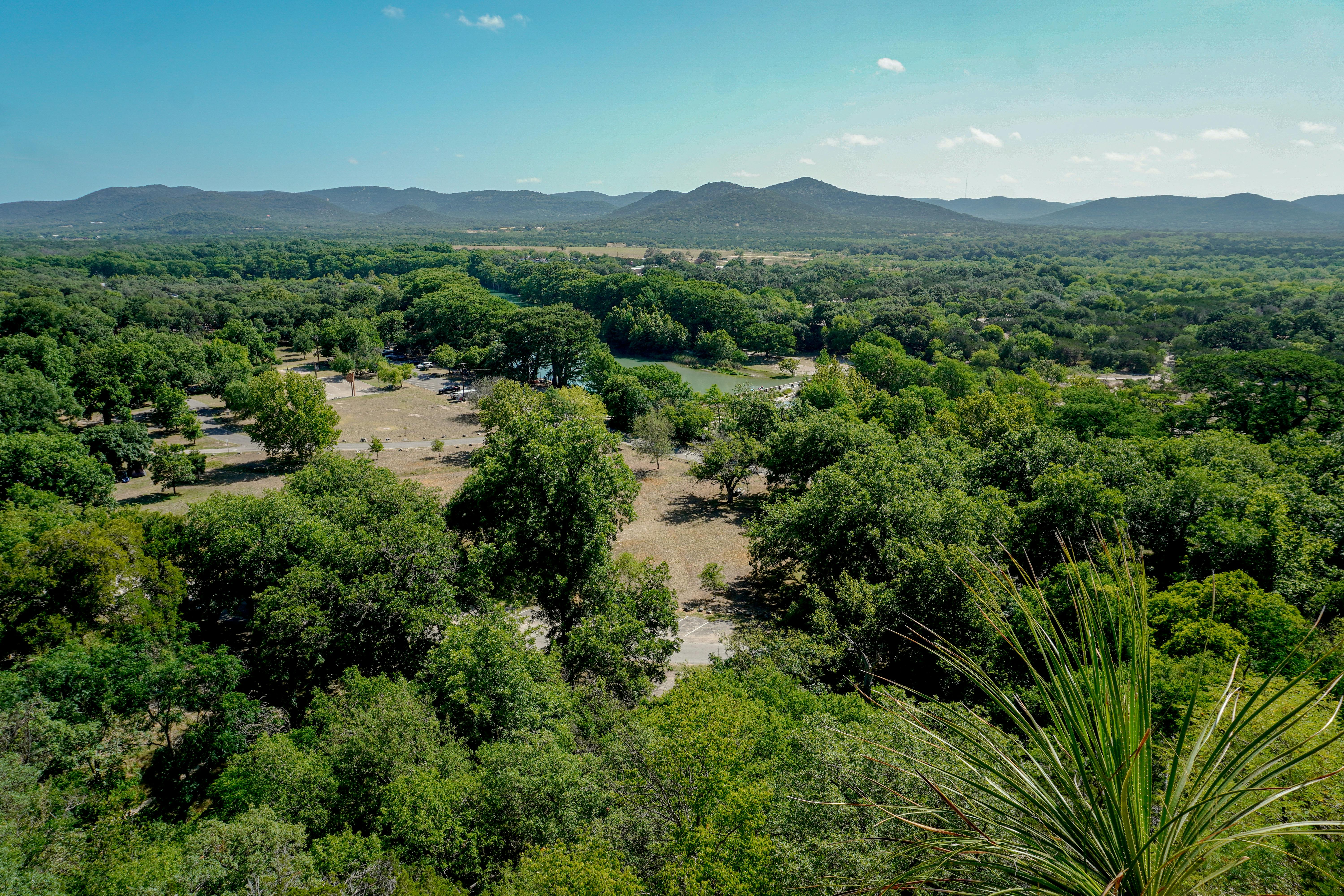
Yaupon naturally occurs in a variety of environments, including:
Pine forests
Hardwood forests
Coastal woodlands
River corridors
Prairie edges
Urban green spaces
Its adaptability enables it to support wildlife across much of Texas.
Although dense yaupon growth is sometimes managed on ranches and other properties, ecologists increasingly recognize its value in supporting biodiversity and habitat complexity. Yaupon serves multiple ecological functions simultaneously, supporting insects, birds, mammals, and other wildlife year-round.
Dense yaupon growth is sometimes thinned or managed on ranches and other properties, especially where landowners want to maintain open grassland or savannah structure. Even then, yaupon’s value as cover, food, and habitat should remain part of the conversation.
Looking Ahead
As interest in native landscaping and habitat restoration grows, yaupon’s wildlife value is receiving more attention.
Long before modern interest in yaupon tea, the plant was already supporting birds, pollinators, and other wildlife across Texas. Its berries, flowers, evergreen cover, and adaptability all help explain why it remains valuable in forests, creek corridors, coastal woodlands, ranchlands, and residential landscapes.
For landowners, gardeners, and conservation groups, yaupon is useful because it does more than survive. It provides habitat. That ecological role should remain part of how Texans understand and manage the plant.
Sources and Further Reading
Lady Bird Johnson Wildflower Center – Ilex vomitoria Plant Database
Texas A&M AgriLife Extension – Publications on native plants and wildlife habitat
USDA Natural Resources Conservation Service (NRCS) – Plant Guide for Yaupon
National Audubon Society – Native plant and bird habitat resources
U.S. Forest Service – References on southeastern native shrubs and wildlife use
Florida Native Plant Society – Regional publications documenting bird use of yaupon berries
About

Featured Posts

Explore Topics

Related Post
Jun 3, 2026
Yaupon holly is one of Texas's most widespread native plants, supporting wildlife, pollinators, and healthy ecosystems across forests, woodlands, coastal habitats, and river corridors. Learn how yaupon fits into Texas landscapes and why it remains ecologically important today.
Jun 1, 2026
Discover how yaupon supports Texas wildlife, provides year-round habitat, aids pollinators, and contributes to resilient native ecosystems across the state.