Yaupon in Texas Ecosystems: Wildlife, Habitat, and Conservation
Discover how yaupon supports Texas wildlife, provides year-round habitat, aids pollinators, and contributes to resilient native ecosystems across the state.
Texas Yaupon Editorial Team
Reading Time: 4 minutes
Category: Ecology & Conservation
Updated: May 2026
Key Takeaways
Yaupon is one of the most widespread native shrubs in Texas.
Its evergreen foliage provides year-round cover for wildlife.
Birds and mammals rely on yaupon berries as a seasonal food source.
Native yaupon supports biodiversity and thrives without irrigation or fertilizers.
Healthy yaupon populations contribute to resilient Texas ecosystems.
Yaupon's Role in Texas Ecosystems
Most people first learn about yaupon because it is North America's only naturally caffeinated native plant. But long before it became known as a beverage, yaupon was already playing an important role in Texas ecosystems.
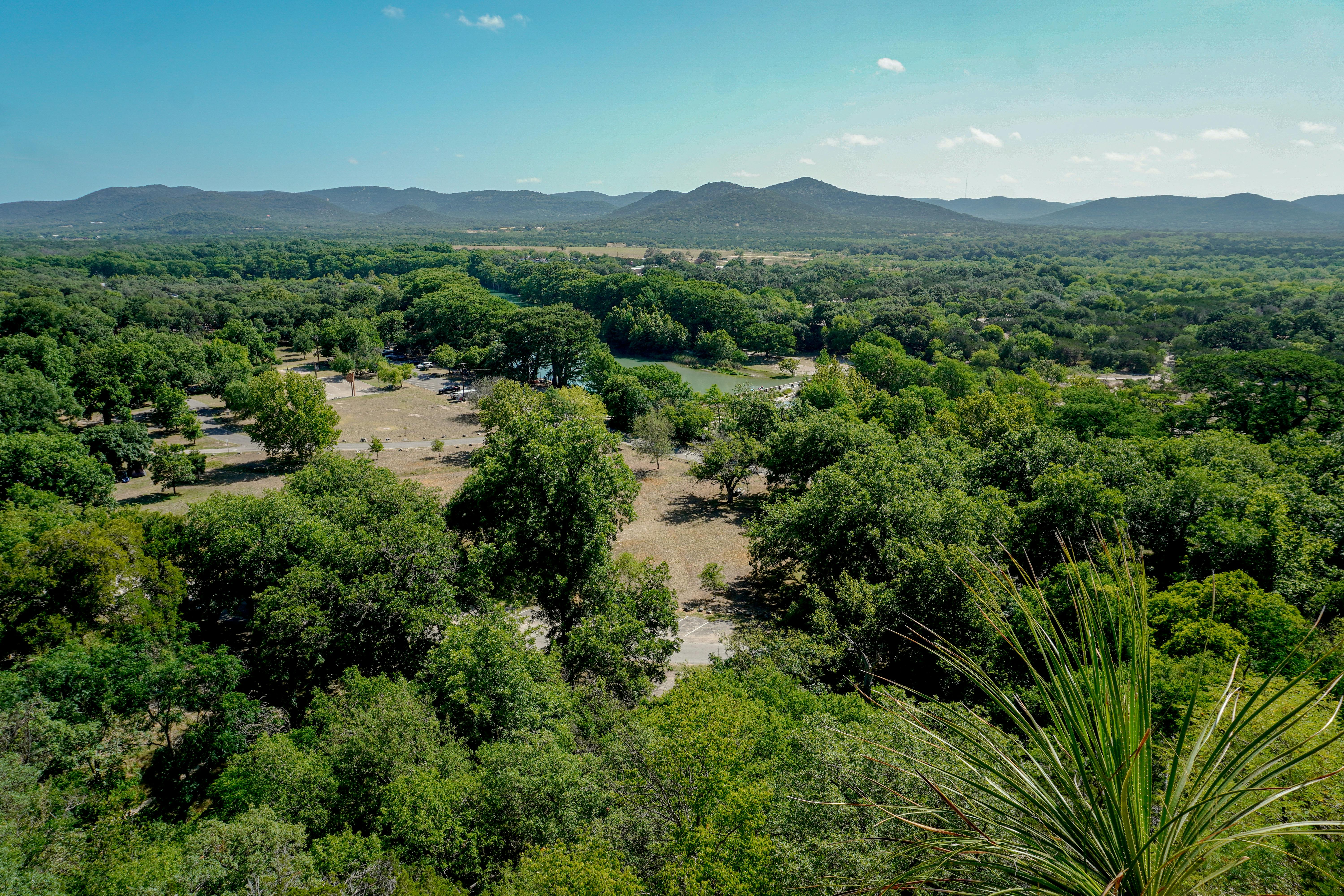
From East Texas pine woods to coastal thickets and river corridors, yaupon has adapted to a wide range of environments. It tolerates drought, poor soils, and intense summer heat, and it stays green throughout the year. This resilience makes yaupon a steady component of many Texas landscapes.
Native to Texas Landscapes
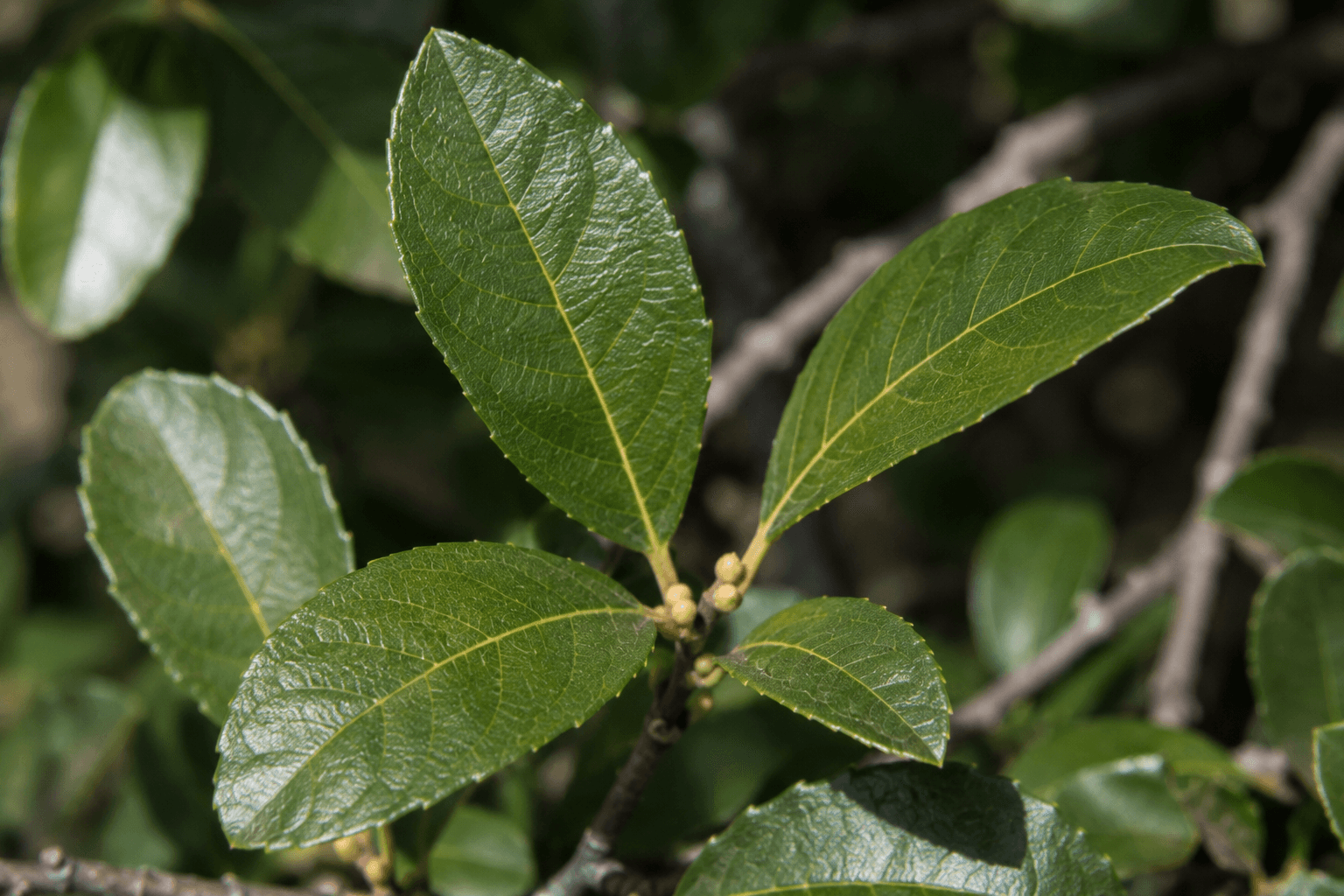
Yaupon holly (Ilex vomitoria) is native to the southeastern United States and occurs naturally across much of Texas, particularly in East Texas, the Gulf Coast, and parts of Central Texas.
As a native species, yaupon requires relatively little intervention to thrive. It tolerates drought, heat, and a wide range of soil conditions, and in many settings it performs better than non-native species that require more water and maintenance. This adaptability is one reason yaupon remains such a familiar shrub across Texas.
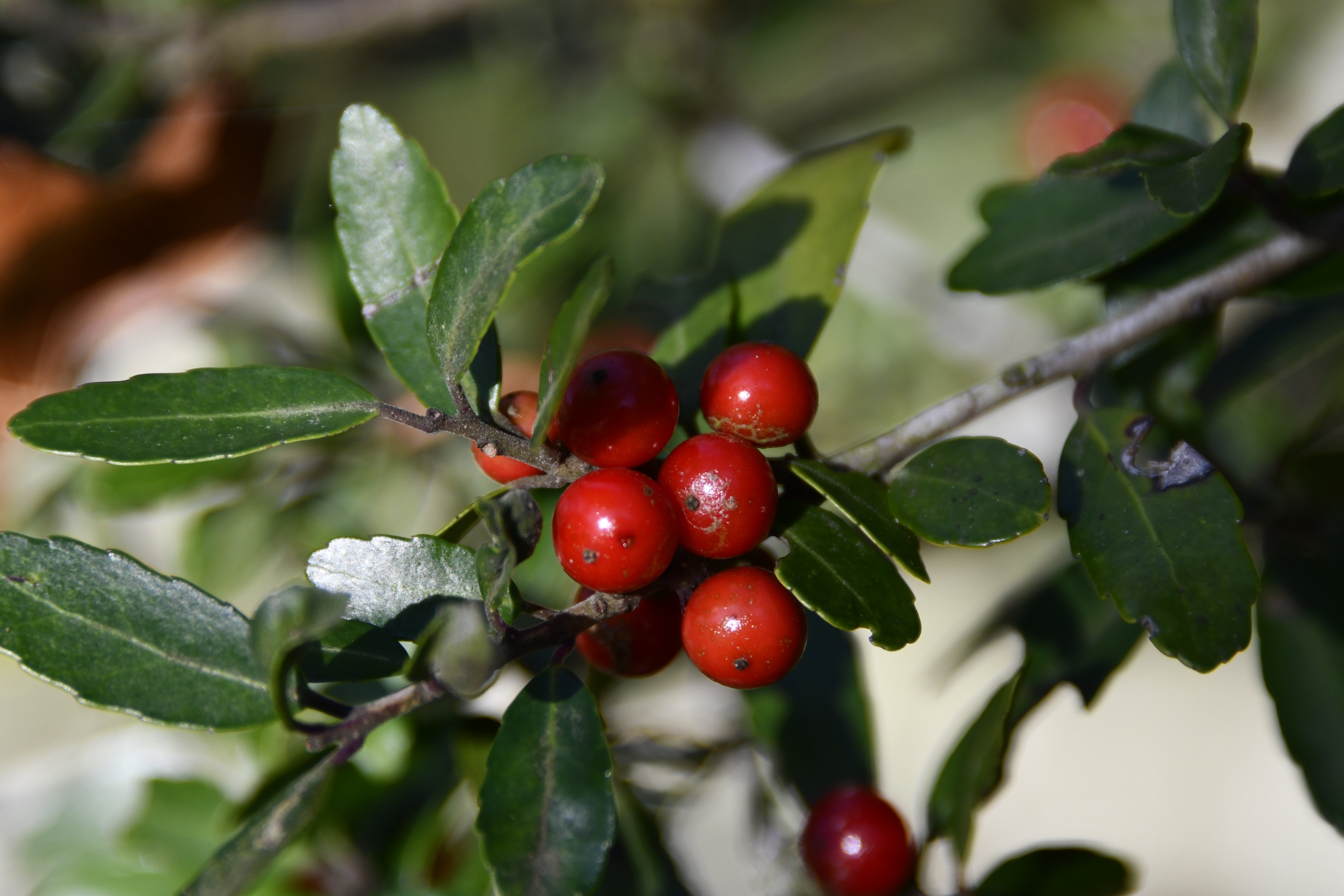
Yaupon is dioecious, meaning individual plants are either male or female. Only female plants produce the red berries that wildlife depend on, and successful berry production requires both male and female plants in the same area.
Food Source for Texas Wildlife
Yaupon plays an important role as a food source for wildlife.
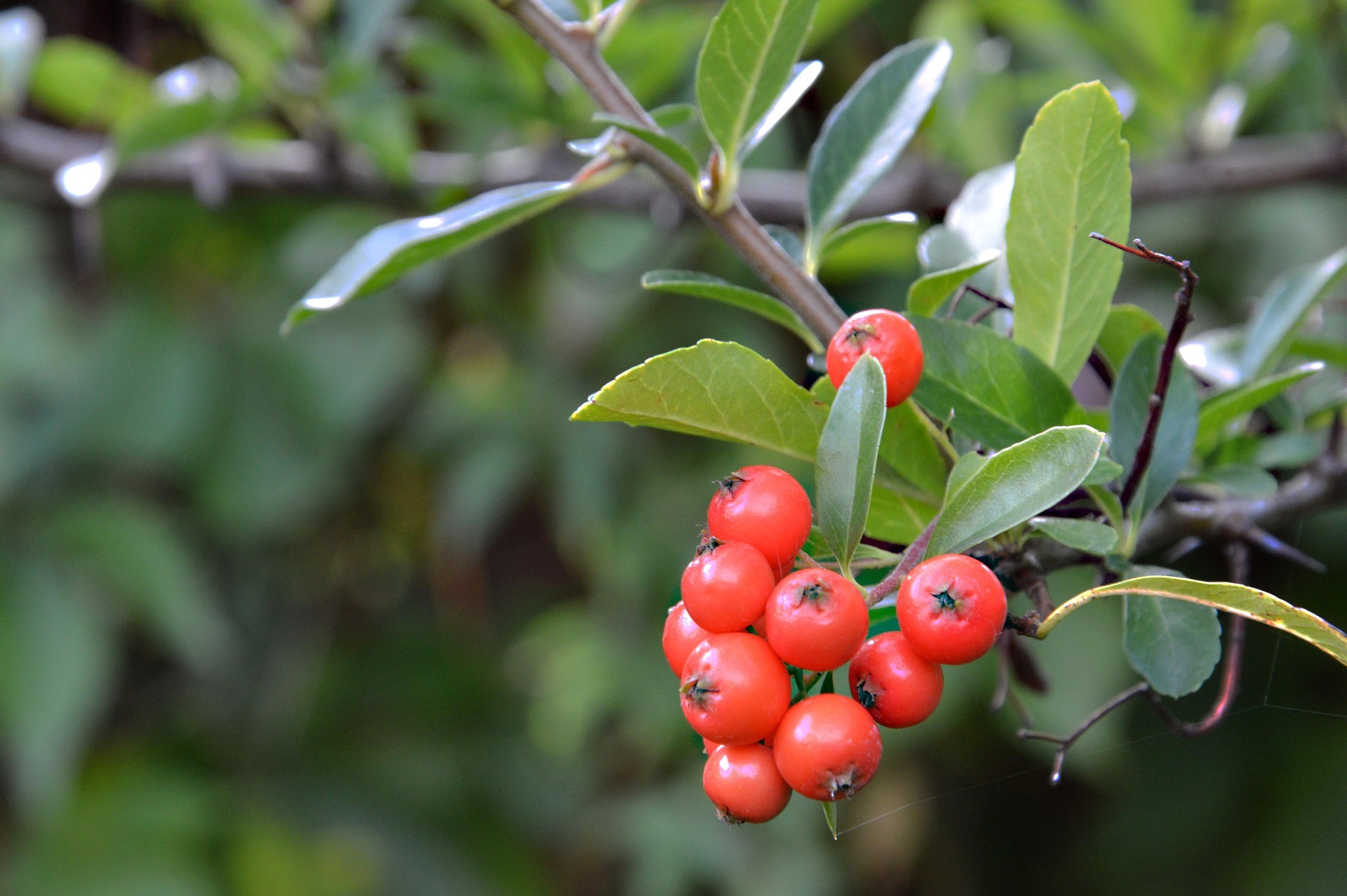
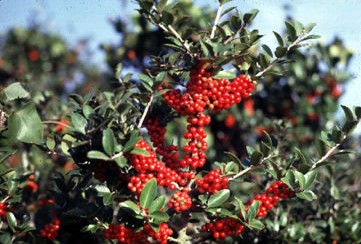
Female yaupon plants produce bright red berries that persist into the colder months, when food is often harder to find. Birds such as cedar waxwings, American robins, mockingbirds, thrashers, and migratory songbirds feed on them. Small mammals also benefit from the fruit and the cover the plant provides.
Because the berries last through seasonal transitions, yaupon helps support wildlife when other food sources are limited. This makes it especially valuable in winter and during migration periods.
Shelter and Habitat
Its dense evergreen foliage offers year-round cover from predators and harsh weather. Birds nest in yaupon thickets, and small mammals use the shrub for protection and movement through the landscape.
In woodland understories, yaupon adds structure and layers to the habitat. This layered diversity creates opportunities for wildlife to find food, shelter, and nesting sites. In native landscapes, this kind of structure is often what allows wildlife habitat to function well.
Supporting Biodiversity
Healthy ecosystems depend on native plant diversity.
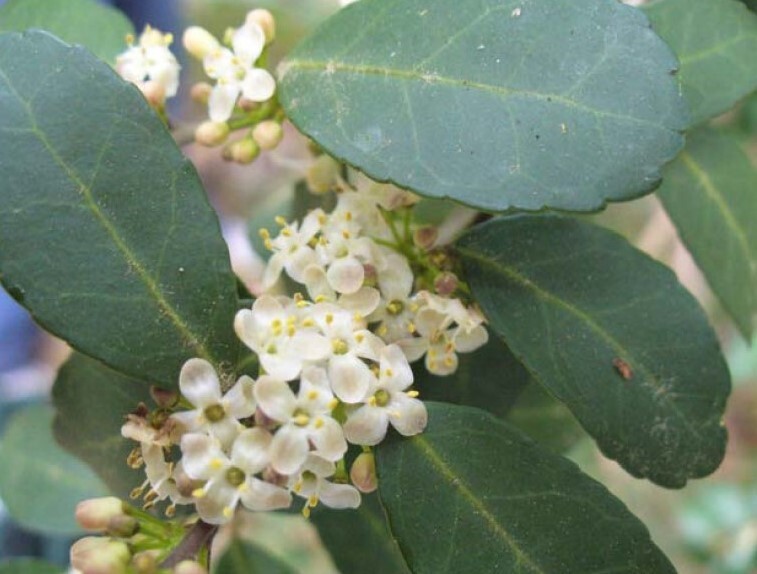
Yaupon supports native insects, birds, mammals, and microorganisms that have evolved within the same ecological system. In spring, its small white flowers provide nectar for native bees and other pollinators, while birds and mammals help disperse its seeds. These interactions help keep the ecosystem functioning as a whole.
As one of the most widespread native Texas plants, yaupon is an integral part of that network, providing food, shelter, and habitat throughout the year. Its role in pollinator habitat remains important as pollinator populations face increasing pressure from habitat loss.
Resilient in Texas Conditions
Texas is no stranger to drought, extreme heat, and unpredictable weather. Plants that evolved in this region are often better equipped to handle those conditions.
Yaupon typically requires less irrigation, fewer chemical inputs, and less maintenance than many ornamental plants. It also shows strong tolerance for heat and drought. This makes it useful not just in natural ecosystems, but also in restoration projects, conservation efforts, and native landscaping.
As water conservation becomes more important, native species like yaupon are likely to play a larger role in sustainable land management.
Fire Ecology and Yaupon Abundance
Yaupon responds to fire regimes in predictable ways. In landscapes where fire has been suppressed for long periods, yaupon often becomes more abundant in the understory. Where fire occurs regularly, yaupon persists but may be less dense.
Understanding this relationship helps explain why yaupon appears in some thickets and not others and helps landowners and conservation managers make informed habitat management decisions.
Stewardship and Harvest
Growing interest in yaupon has also increased attention to harvesting and cultivation. This makes responsible stewardship especially important so demand does not come at the expense of healthy native populations.
Careful, selective harvesting can support regrowth while preserving habitat quality. In this sense, yaupon offers a useful model for how conservation and use can work together when managed thoughtfully.
Looking Ahead
Yaupon's value goes far beyond caffeine. It feeds wildlife, creates habitat, supports biodiversity, and thrives under Texas conditions that challenge many other plants.
As interest in native plants continues to grow, yaupon stands out as a clear example of how ecology, conservation, and regional identity overlap. Its importance is not just in what it becomes as a tea. As a native species, yaupon helps maintain the ecological character of the landscapes where it evolved.
About

Featured Posts

Explore Topics

Related Post
Jun 3, 2026
Yaupon holly is one of Texas's most widespread native plants, supporting wildlife, pollinators, and healthy ecosystems across forests, woodlands, coastal habitats, and river corridors. Learn how yaupon fits into Texas landscapes and why it remains ecologically important today.
Jun 3, 2026
Yaupon holly supports far more than tea drinkers. Its flowers provide nectar for pollinators, its berries feed birds through fall and winter, and its evergreen structure offers year-round shelter for wildlife across Texas ecosystems.