How to Grow Yaupon Tea: Ilex vomitoria Planting, Care, and Harvest Guide
Learn how to grow yaupon tea (Ilex vomitoria), North America's only native caffeinated plant. This guide covers planting, care, propagation, harvesting, and tips for incorporating yaupon into Texas landscapes and wildlife-friendly gardens.
Texas Yaupon Editorial Team

Reading Time: 6 minutes
Category: Gardening & Cultivation
Updated: June 2026
Key Takeaways
Yaupon holly is native to Texas and much of the southeastern United States.
It is adaptable, drought-tolerant, and relatively low-maintenance once established.
Both cultivated and naturally occurring yaupon can be harvested for tea.
Home gardeners can harvest yaupon leaves for tea once plants are well established.
Growing yaupon offers a way to connect directly with North America's only native caffeinated plant.
How to Grow Yaupon (Ilex vomitoria)
If you have enjoyed yaupon tea, you can grow it at home. Ilex vomitoria is one of the easiest native shrubs to cultivate throughout Texas and the southeastern United States.
Yaupon's adaptability, drought tolerance, and evergreen foliage make it a practical choice for gardeners interested in native plants.
Whether harvesting for tea, supporting wildlife, or adding a resilient native shrub to your landscape, growing yaupon can provide years of enjoyment and sustainable harvests.
For readers interested in the plant's history and traditional uses, see our guide to yaupon's cultural background, The History and Traditional Uses of Yaupon Tea.
Yaupon Care Requirements at a Glance
Care Factor | Recommendation |
Sunlight | Full sun to partial shade |
Soil Type | Well-drained soil; adaptable to various conditions |
Watering Needs | Regular moisture during establishment; drought tolerant once established |
Growth Rate | Moderate growth; establishes steadily and may grow faster under favorable conditions |
USDA Hardiness Zones | 7–10 |
Where Yaupon (Ilex vomitoria) Grows Naturally
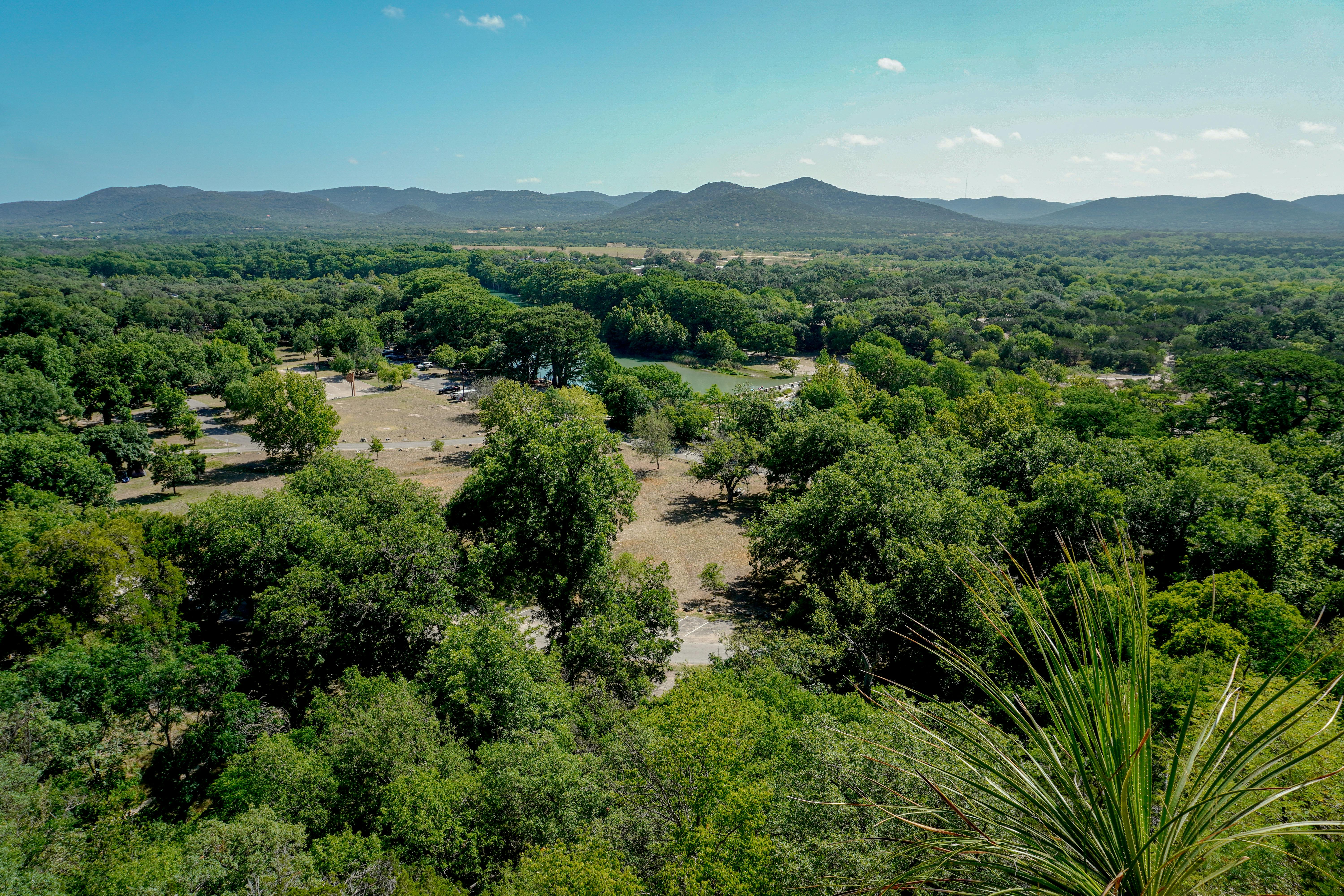
Yaupon is native to much of eastern and central Texas, as well as large portions of the southeastern United States.
In Texas, it is commonly found in:
Pine forests of East Texas
Bottomland woodlands
Coastal regions
Oak woodlands
Native shrublands
Urban and suburban landscapes
Yaupon's adaptability helps explain why it has become one of the most successful native evergreen shrubs in the region.
Choosing the Right Location to Grow Yaupon
Yaupon is popular among landscapers and homeowners because of its flexibility.
It can tolerate:
Full sun
Partial shade
A variety of soil conditions
Periodic drought
Wind exposure
Urban environments
While yaupon can survive challenging conditions, it generally grows most vigorously in well-drained soil with regular moisture during establishment.
Once mature, many plants require little supplemental watering except during prolonged dry periods.
Mature Size and Spacing Considerations
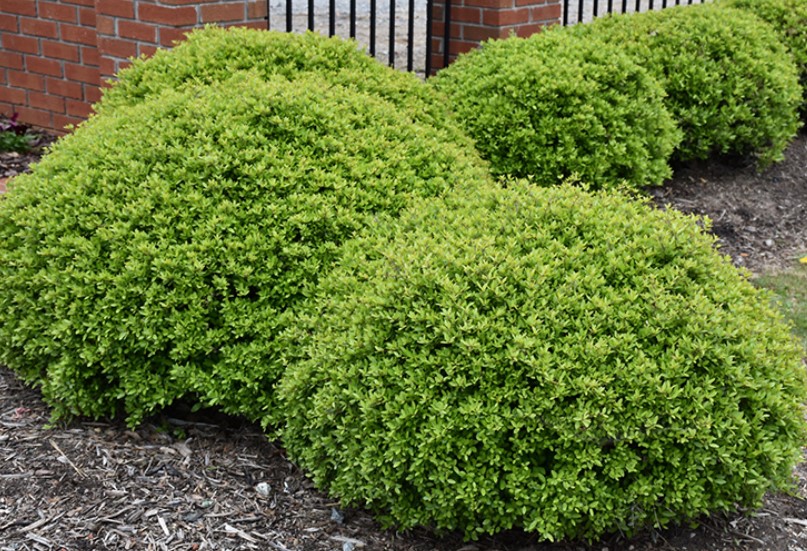
Yaupon varies considerably in size depending on the variety selected and growing conditions. Standard forms commonly reach approximately 10–20 feet tall with a similar spread, while dwarf selections remain much smaller. Some tree-form specimens can eventually exceed these dimensions under favorable conditions.
Before planting, review the expected mature size of your chosen cultivar and allow adequate spacing for airflow and future growth. Shrubs intended for natural growth are often spaced according to their anticipated mature spread, while hedges and screens may be planted more closely together and maintained through pruning.
Male vs. Female Yaupon Tea Plants
Yaupon plants are either male or female.
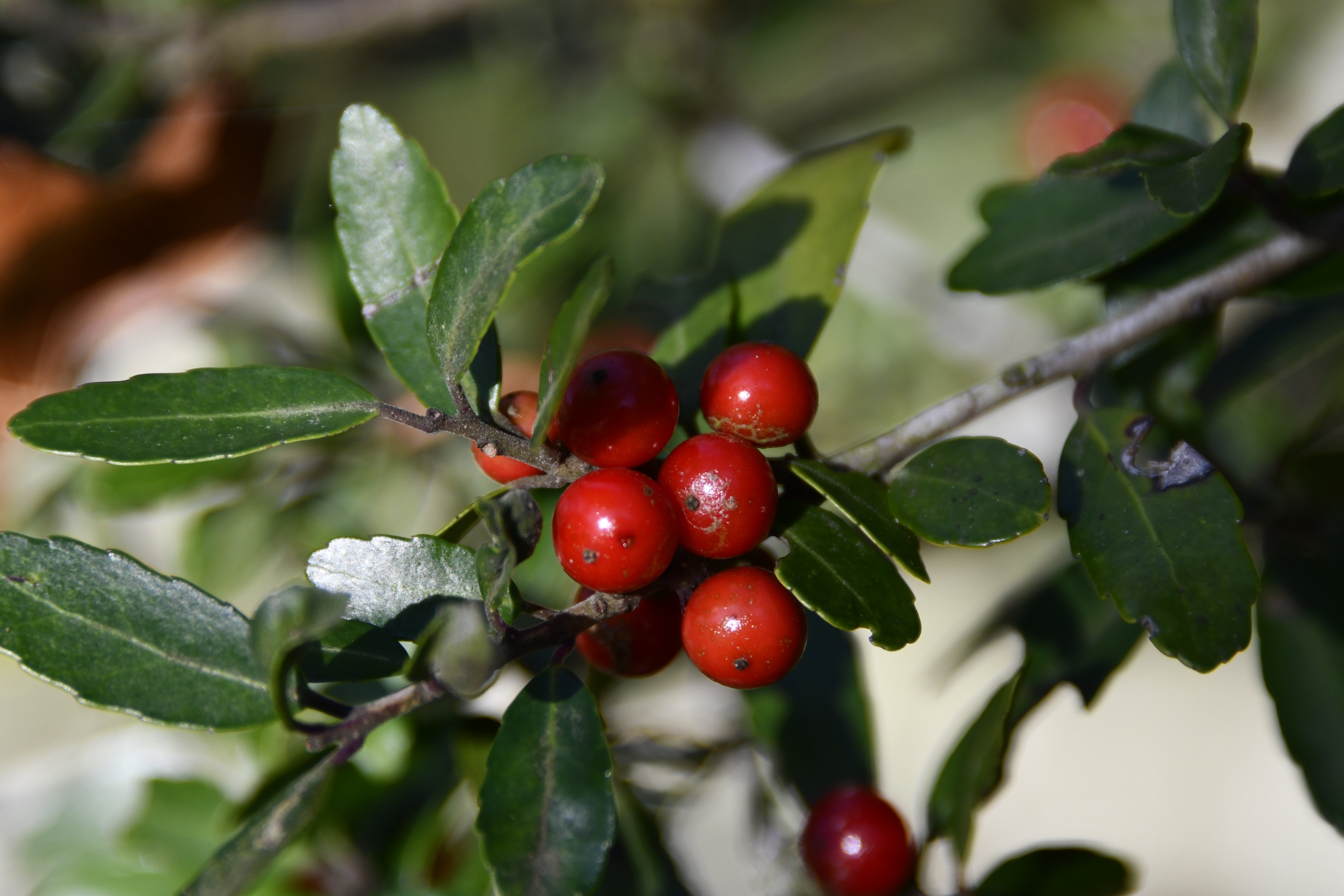
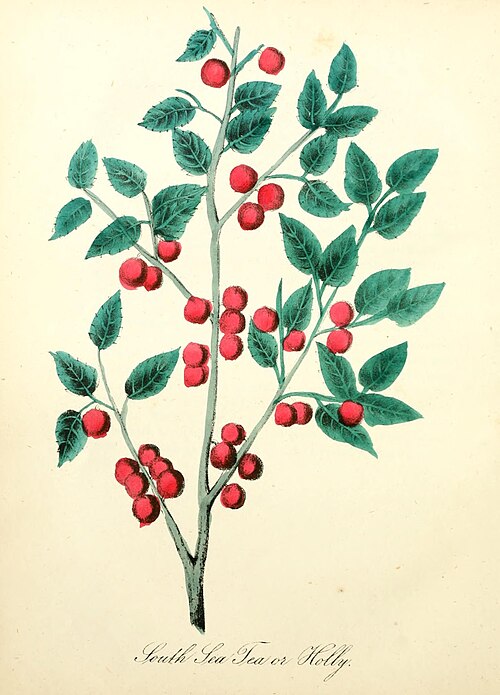
Female plants produce bright red berries commonly seen during fall and winter. Male plants do not produce berries but are necessary for pollination. For berry production, female plants require a nearby male plant.
For tea production, both male and female plants can be harvested because the leaves and small stems are the primary materials used.
Homeowners interested in wildlife often choose female plants because their berries provide food for birds during colder months.
Common Yaupon Holly Landscape Forms
Over decades of cultivation, numerous yaupon varieties have become available.
Some are grown as:
Large shrubs
Privacy screens
Small ornamental trees
Compact foundation plantings
Weeping forms
If your primary goal is tea production, standard yaupon varieties often provide more harvestable growth than highly ornamental cultivars.
How Long Does It Take to Grow Yaupon?
Yaupon is generally considered a moderate-growing shrub. During the first few years after planting, most of its energy goes into establishing a healthy root system. Growth speed depends on factors such as sunlight, soil drainage, moisture, and competition from nearby plants.
In favorable environments, yaupon can establish surprisingly quickly and may produce substantial new growth within a few growing seasons.
Because it responds well to pruning, many gardeners shape plants while encouraging fresh leaf production.
Patience is important. Like many perennial shrubs, yaupon is a long-term investment rather than an annual crop.
How to Propagate Yaupon
Gardeners interested in expanding their planting can propagate yaupon through seeds, cuttings, or by purchasing nursery-grown plants.
Growing Yaupon from Seed
Seeds can be collected from ripe berries produced by female plants. Seed-grown yaupon may require patience, as germination can be slow and variable. Because yaupon is dioecious, seedlings will not reliably produce a known ratio of male and female plants.
Propagating from Cuttings
Many gardeners and nurseries propagate yaupon from semi-hardwood cuttings. This approach helps preserve the characteristics of a selected plant and generally produces more predictable results than seed propagation.
Rooting success varies depending on timing, environmental conditions, and propagation techniques.
Purchasing Nursery Stock
For most homeowners, nursery-grown yaupon is the simplest option. Established plants typically transplant well when properly watered during establishment.
Purchasing named cultivars also allows gardeners to select specific growth habits, mature sizes, or berry-producing female plants.
Harvesting Yaupon Leaves for Tea
Once a plant is established, leaves can be harvested throughout much of the year.
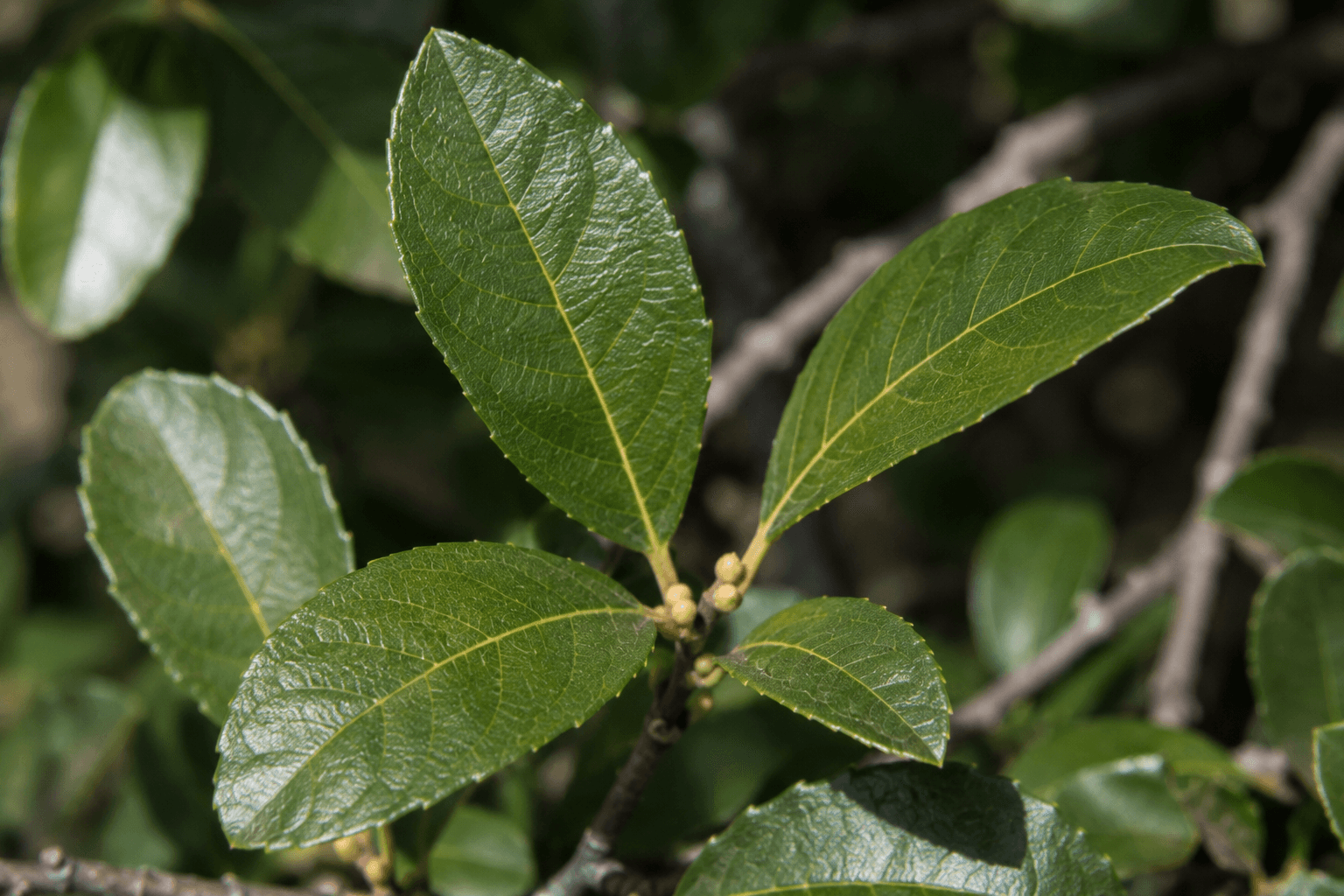
Most producers focus on young leaves and tender stem growth.
When harvesting at home:
Use clean pruning shears.
Remove only a portion of the plant's growth.
Avoid stripping large sections from a single branch.
Allow time for recovery between major harvests.
Moderate harvesting helps maintain plant health while encouraging future growth.
Harvesting Wild Yaupon Responsibly
Wild yaupon grows across Texas, but responsible harvesting practices are important.
Before collecting any plant material:
Obtain permission from the landowner when harvesting on private property.
Do not harvest from public lands, parks, preserves, or wildlife management areas without specific authorization.
Harvest conservatively and avoid removing excessive foliage from individual plants.
Leave enough growth to support the plant's long-term health and ecological role.
Responsible harvesting helps protect native plant populations while respecting property rights and land management regulations.
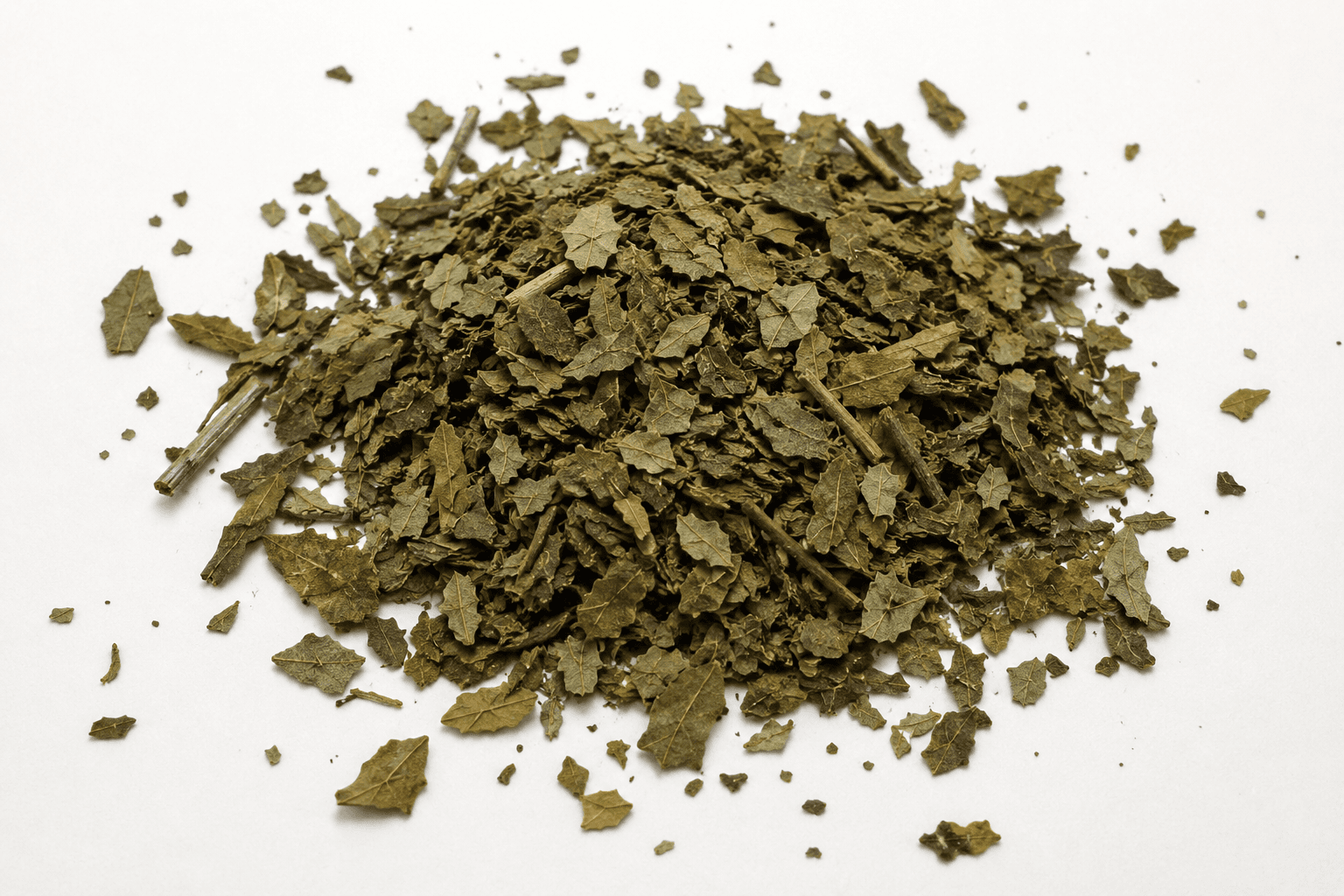
Processing Homegrown Yaupon Tea
Freshly harvested yaupon is not typically brewed directly from the shrub.
Most tea producers process the leaves before packaging them.
At home, this generally involves:
Cleaning harvested material
Optionally roasting for a darker flavor profile
Storing in an airtight container
Different processing methods can create flavor profiles ranging from bright and grassy to rich and roasted.
For more information on roasting and preparation methods, see our guide to Brewing and Processing Yaupon Tea.
Benefits of Growing a Yaupon Tea Plant
Even gardeners who never harvest a single leaf may appreciate yaupon's other advantages.
The plant provides:
Year-round evergreen structure
Wildlife habitat
Food sources for birds
Native landscaping value
Drought tolerance
Low maintenance requirements
Yaupon's practical uses and ecological benefits have helped make it a staple of many Texas landscapes.
Yaupon in Texas Native Landscapes
Yaupon is widely used in Texas native landscaping because it combines ecological value with adaptability. Its evergreen foliage provides year-round structure, while female plants can offer seasonal food resources for birds and other wildlife.
In native gardens, yaupon is often incorporated alongside other regional species to create habitat-focused plantings. It is also commonly used in low-water landscapes once established, making it a practical choice for many parts of Texas.
Gardeners interested in broader native landscape design principles can explore our Texas Native Landscaping Guide. Those planning wildlife-friendly plantings may also find our Habitat Gardening Resources useful.
Is Growing Your Own Yaupon Worth It?
For most people, growing yaupon will not replace buying professionally processed tea. Commercial producers have the equipment, experience, and consistency needed to create reliable products at scale.
However, growing your own plant offers something different: a direct connection to one of North America's most distinctive native plants.
Whether planted for tea, wildlife, landscaping, or simple curiosity, yaupon provides an opportunity to cultivate a piece of Texas's botanical heritage right at home.
Common Mistakes When Growing Yaupon and How to Avoid Them
Although yaupon is forgiving and adaptable, a few common mistakes can slow growth or reduce plant health.
Planting in poorly drained soil: Choose a location with good drainage to help prevent root stress and improve establishment.
Overwatering established plants: Water regularly during the first growing season, then reduce irrigation once the shrub is established unless drought conditions persist.
Harvesting too aggressively: Remove only a portion of the foliage at a time and allow the plant adequate recovery between harvests.
Ignoring mature size: Research the expected height and spread of your chosen variety before planting to avoid overcrowding and excessive pruning later.
Selecting highly ornamental cultivars for tea production: If maximizing leaf harvest is your goal, choose standard yaupon varieties that produce abundant foliage.
Pruning at inappropriate times: Light shaping is generally well tolerated, but avoid excessive pruning during periods of environmental stress such as extreme heat or drought.
By avoiding these issues, gardeners can encourage stronger growth, healthier plants, and more consistent harvests over the long term.
Conclusion
Yaupon brings together several qualities that are rarely found in a single plant: it can provide leaves for tea, support wildlife, and serve as a durable native landscape shrub. Its ability to thrive across a wide range of conditions has made it an important part of Texas ecosystems and gardens alike.
For gardeners interested in sustainable tea production, native landscaping, or strengthening habitat value at home, yaupon offers a practical way to connect these goals. For many gardeners, the value is not only the harvest. It is also the chance to grow a useful native shrub that already belongs in much of Texas.
About

Featured Posts

Explore Topics