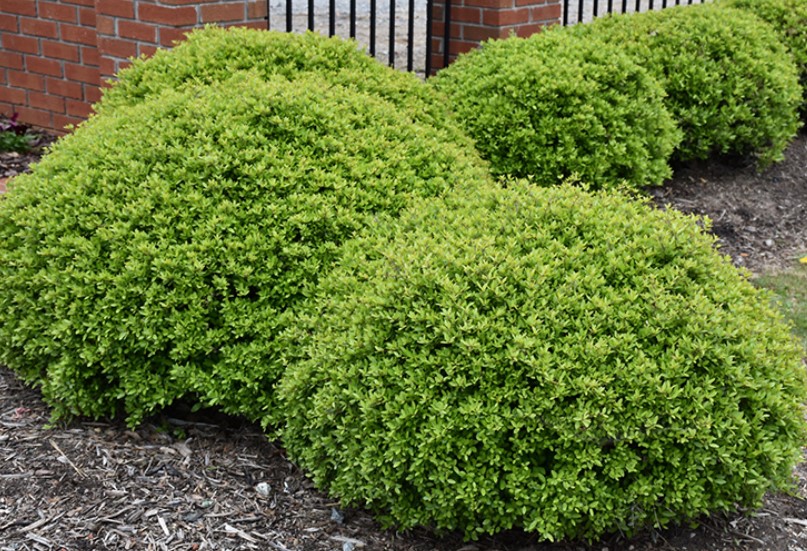
Yaupon vs Yerba Mate: Comparing the Americas' Two Native Caffeinated Plants
Yaupon and yerba mate are the Americas' best-known native caffeinated plants. Although both belong to the holly genus and share deep Indigenous roots, they followed very different paths—one becoming a global beverage and the other remaining largely forgotten until its recent revival.
Texas Yaupon Editorial Team

Reading Time: 6 minutes
Category: Education
Updated: June 2026
Key Takeaways
Yaupon and yerba mate are the Americas' most recognized native caffeinated plants, each with a unique legacy.
Both plants belong to the holly genus (Ilex), making them close botanical relatives.
Yerba mate became a major commercial beverage across South America, while mainstream culture largely abandoned yaupon.
Although both contain caffeine and theobromine, they differ in flavor, preparation, and cultural history.
Growing interest in regional and native foods has renewed attention to yaupon in the United States.
Two Caffeinated Plants from the Americas
Coffee originated in Africa. Traditional tea originated in Asia.
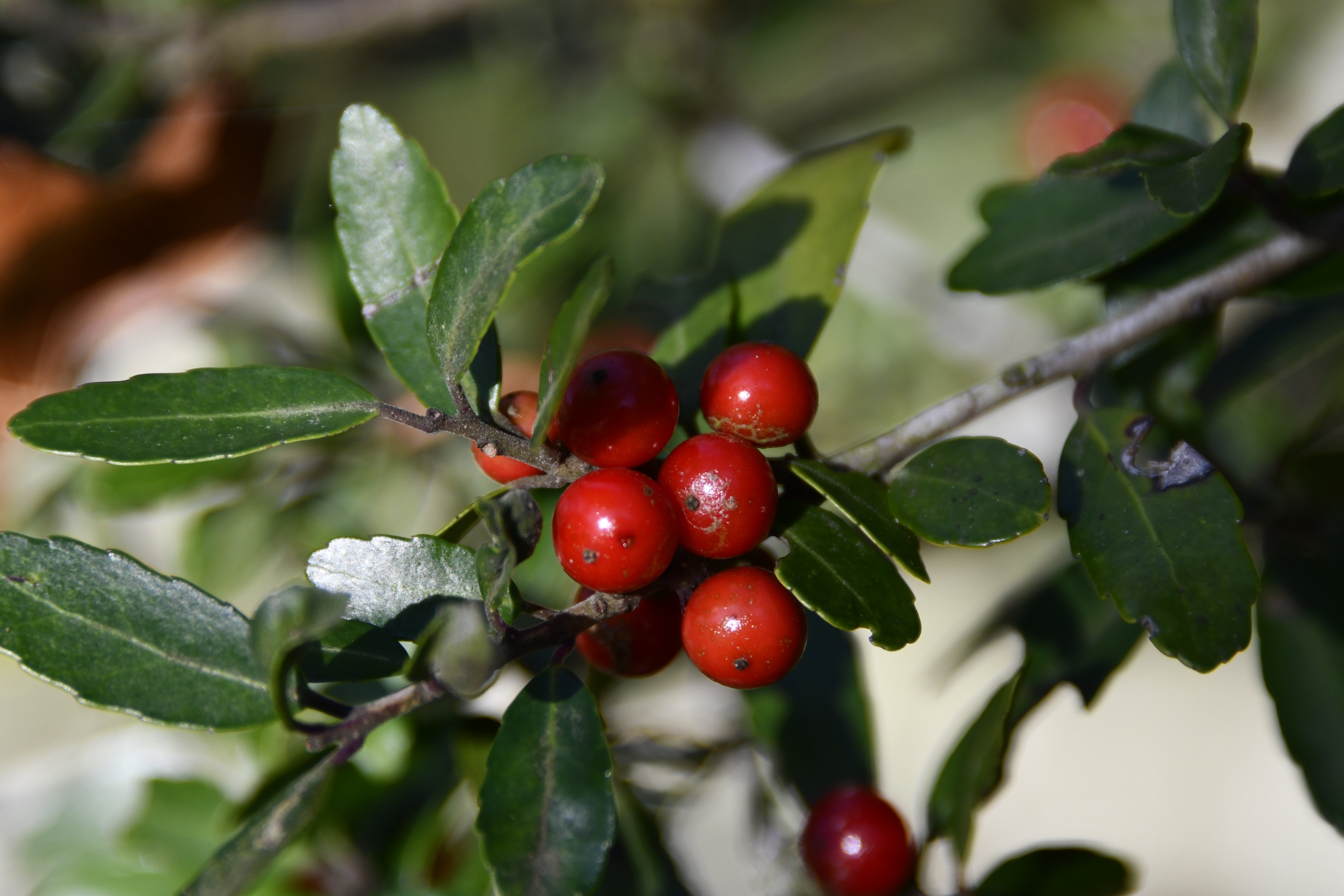
Long before coffee or tea became widespread in North America, Indigenous peoples of the southeastern United States brewed yaupon, a naturally caffeinated holly native to Texas and much of the American South.
Farther south, Indigenous communities in present-day Paraguay, Brazil, Argentina, and Uruguay developed a similar relationship with another caffeinated holly: yerba mate.
Today, yerba mate is internationally recognized and consumed by millions. In contrast, yaupon remains relatively unknown outside specialty food and tea circles. Despite growing in different regions of the Americas, the two plants share history, chemistry, and cultural significance.
Quick Comparison
Feature | Yaupon | Yerba Mate |
Scientific Name | Ilex vomitoria | Ilex paraguariensis |
Native Region | Southeastern United States | South America |
Plant Family | Holly (Ilex) | Holly (Ilex) |
Typical Flavor | Smooth, mild, earthy | Herbaceous, bold, bitter |
Traditional Use | Southeastern Indigenous cultures | South American Indigenous cultures |
Modern Production | Small and growing industry | Large established industry |
Botanical Cousins
Both plants belong to the genus Ilex, commonly known as hollies.
Yaupon's scientific name is Ilex vomitoria, and yerba mate's is Ilex paraguariensis. Although they evolved in different regions of the Americas, they share several notable characteristics:
Evergreen leaves
Natural caffeine production
Long histories of human use
Adaptation to warm climates
Use as brewed beverages
The existence of two widely consumed caffeinated plants within the same genus is unusual and has long interested botanists and ethnobotanists.
Native Ranges
Yaupon
Yaupon is native to the southeastern United States, including:
Texas
Oklahoma
Louisiana
Arkansas
Mississippi
Alabama
Georgia
Florida
North Carolina
South Carolina
In Texas, yaupon grows naturally in the Piney Woods and Gulf Coast regions and extends into parts of Central Texas. It thrives in a wide variety of soils and habitats.
Yerba Mate
Yerba mate is native to parts of:
Paraguay
Southern Brazil
Northern Argentina
Uruguay
Its natural range is concentrated in subtropical forests where rainfall is abundant and temperatures remain relatively mild throughout the year.
Indigenous Traditions
Both plants played important cultural roles long before Europeans arrived.
Across the southeastern United States, Indigenous peoples harvested and brewed yaupon for daily use, trade, hospitality, and ceremonial purposes. Archaeological and historical evidence suggests yaupon moved extensively through trade networks across the Southeast.
Similarly, Indigenous communities in South America consumed yerba mate for social gatherings, trade, and cultural traditions that continue today.
While the details differed between cultures, both plants served as important regional sources of caffeine and social connection.
Traditional preparation methods also developed differently. Yerba mate became associated with the gourd-and-bombilla tradition common across South America, while yaupon was prepared using a variety of brewing methods among Indigenous communities of the Southeast.
Caffeine and Other Compounds
Both yaupon and yerba mate naturally contain caffeine, although the amount can vary depending on growing conditions, harvest timing, processing methods, and brewing technique.
Both plants also contain theobromine, a naturally occurring compound found in cacao. Together, caffeine and theobromine contribute to the distinctive character of both beverages.
Because caffeine content can vary significantly between products and brewing styles, direct comparisons are difficult. Consumers can adjust beverage strength in both cases by changing the amount of leaf used and brewing duration.
Why Yerba Mate Became Famous and Yaupon Did Not
One of the biggest differences between the two plants is what happened after European colonization.
Yerba mate continued to be cultivated and commercialized. Spanish colonial cultivation and later agricultural development helped establish mate as a major regional commodity throughout South America.
Today, mate is sold globally and remains a central part of daily life in countries such as Argentina, Uruguay, Paraguay, and parts of Brazil.
Yaupon followed a different path.
Misunderstandings about its scientific name, shifting beverage preferences, and the growing popularity of imported coffee and tea contributed to its decline. Although yaupon remained common throughout its native range, it never developed a large-scale cultivation industry in North America. As a result, commercial production nearly disappeared.
Only in recent decades have producers begun re-establishing yaupon as a commercial beverage.
Flavor Comparison
Yaupon
Common tasting notes include:
Smooth
Mildly sweet
Earthy
Grassy
Lightly roasted (in roasted varieties)
Many drinkers find yaupon less bitter than traditional tea and less prone to developing astringency during longer steeping times.
Yerba Mate
Common tasting notes include:
Bold
Herbaceous
Vegetal
Smoky
Bitter
Traditional mate is often stronger and more assertive than yaupon.
Processing methods, growing conditions, and preparation techniques can influence the flavor of both beverages, resulting in considerable variation.
Modern Revival of Native Beverages
Growing interest in local agriculture, native plants, and regional food traditions has renewed attention to both beverages.
Yerba mate has expanded internationally through specialty brands, ready-to-drink products, and global distribution.
Yaupon's revival has been driven by small producers, conservation-minded landowners, native plant advocates, and consumers interested in food traditions unique to North America. While modern yaupon production remains small compared to the global yerba mate industry, awareness continues to grow as consumers seek regional and native alternatives to imported beverages.
As awareness increases, more people are discovering that North America has its own native caffeinated plant with a history stretching back centuries.
Frequently Asked Questions
Is yaupon the same plant as yerba mate?
No. Yaupon (Ilex vomitoria) and yerba mate (Ilex paraguariensis) are different species, although both belong to the holly genus (Ilex).
Which has more caffeine, yaupon or yerba mate?
Caffeine levels vary by product and brewing method. Both contain naturally occurring caffeine, but direct comparisons can be difficult because processing and preparation methods differ.
Can yaupon be prepared like yerba mate?
Some people brew yaupon in traditional mate gourds, but it is more commonly prepared like loose-leaf tea in the United States.
Conclusion
Yaupon and yerba mate belong to the same botanical genus, Ilex, making them unusually close relatives among caffeinated plants. Both evolved in the Americas, both were valued by Indigenous cultures, and both remain the best-known caffeinated hollies used as beverages today.
While yerba mate became a globally recognized drink, yaupon largely faded from public awareness. Today, that is beginning to change.
As interest in regional foods, native plants, and agricultural heritage continues to grow, yaupon is once again finding its place alongside the world's better-known caffeinated beverages. Its revival offers a renewed connection to one of North America's oldest caffeinated traditions.
Sources
USDA Plants Database – Ilex vomitoria (Yaupon Holly)
Lady Bird Johnson Wildflower Center – Native Plant Database: Ilex vomitoria
Kew Science, Plants of the World Online – Ilex vomitoria and Ilex paraguariensis
Missouri Botanical Garden Plant Finder – Ilex paraguariensis
Miller, Melanie J., et al. – Research on the chemical composition of yaupon holly and related caffeinated species
Ceremony, Medicine, Caffeinated Tea: Unearthing the Forgotten Faces of the North American Stimulant Yaupon – Comparative Studies in Society and History
Academic literature on the ethnobotany, history, and cultivation of yerba mate (Ilex paraguariensis)
About

Featured Posts

Explore Topics