Yaupon Tea Buying Guide: How to Choose the Best Yaupon Tea
Learn how to choose the right yaupon tea by comparing roasted and green varieties, loose-leaf and tea bag formats, sourcing, freshness, ingredients, and overall value. This guide explains the key factors to consider before buying yaupon tea for the first time.
Texas Yaupon Editorial Team
Reading Time: 6 minutes
Category: Consumer Guides
Updated: June 2026
Meta Description: Learn how to buy yaupon tea with confidence. Compare roasted vs. green yaupon, formats, ingredients, sourcing, freshness, and value.
Key Takeaways for Buying Yaupon Tea
Yaupon is sold in several forms, including loose leaf, tea bags, sachets, and ready-to-drink beverages.
Roasted and green yaupon offer distinctly different flavor profiles.
Ingredient lists and sourcing information can reveal important differences between products.
Packaging, freshness, and processing methods can influence flavor and overall experience.
Sampling multiple producers and styles is often the best way to discover personal preferences.
Yaupon Tea Buying Checklist
Choose between roasted yaupon (nutty, toasted flavors) and green yaupon (lighter, herbal flavors).
Select a format that fits your needs: loose leaf, tea bags, sachets, or ready-to-drink products.
Review ingredient lists to determine whether the product is pure yaupon or a flavored blend.
Look for sourcing information and producer transparency about where the yaupon was grown.
Consider packaging and freshness to help preserve flavor and aroma.
Compare prices alongside overall value.
Introduction
More yaupon tea products are available today than at any point in the plant's modern revival. Once a niche regional beverage, yaupon is now found in specialty shops, online stores, farmers' markets, and grocery retailers across Texas and beyond.
For newcomers, the range of products can be overwhelming due to differences in flavor, processing, ingredients, packaging, and price. Understanding these basics helps match selections to personal taste.
This guide outlines the essential criteria to evaluate before purchasing yaupon tea.
Choose Between Roasted and Green Yaupon Tea
When buying yaupon tea, one of the first choices is whether to go roasted or green. This decision sets the stage for exploring characteristics such as flavor, aroma, and brewing preferences.
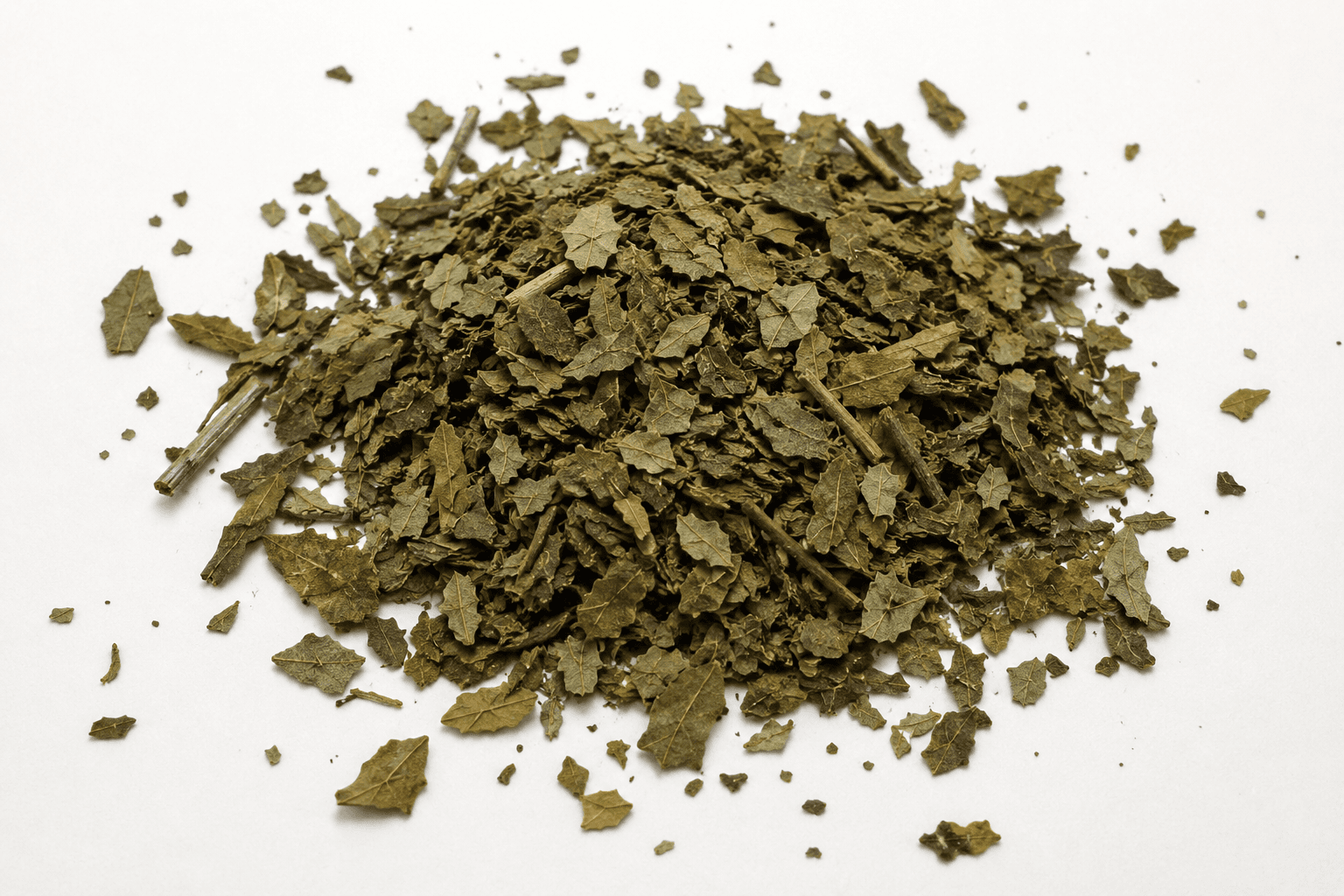
Green yaupon is typically dried with minimal additional processing. It often produces lighter flavors, including grassy, herbal, vegetal, or subtly sweet notes.
Roasted yaupon undergoes an additional roasting step after harvest. This creates darker flavors described as nutty, earthy, toasted, or reminiscent of coffee and roasted grains.
Neither style is inherently better. Many yaupon drinkers enjoy both depending on the season, time of day, or brewing method.
Those transitioning from coffee often gravitate toward roasted varieties, while traditional tea drinkers sometimes prefer green yaupon as an introduction.
Compare Yaupon Tea Formats: Loose Leaf, Tea Bags, or Sachets?
Understanding the different formats in which yaupon is sold is essential for making an informed buying decision.
Loose-Leaf Yaupon Tea
Loose-leaf yaupon offers the greatest flexibility when brewing. Tea drinkers can adjust amounts, experiment with brewing techniques, and see leaf quality more clearly.
Many enthusiasts prefer loose-leaf tea because it allows greater control over flavor and strength.
Yaupon Tea Bags and Sachets
Tea bags and pyramid sachets provide convenience and consistency. They require little preparation and are easy to use at work, while traveling, or when making a quick cup at home.
Higher-end sachets often allow more room for leaves to expand during brewing, potentially improving extraction and flavor.
Ready-to-Drink Yaupon Beverages
Some companies now offer canned or bottled yaupon beverages. These provide convenience but may include sweeteners, fruit juices, flavorings, or carbonation.
Those interested in experiencing the plant's natural flavor may prefer traditional tea before exploring ready-to-drink options.
Check the Ingredient List Before You Buy
It's important to recognize that not all yaupon products are made solely from yaupon.
Many blends incorporate additional ingredients such as:
Mint
Citrus peel
Lavender
Hibiscus
Lemongrass
Ginger
Other herbs and botanicals
These ingredients can create enjoyable flavor combinations, but they may also mask some of yaupon's natural characteristics.
People wanting to understand the plant may benefit from trying pure yaupon before flavored blends.
Learn Where the Yaupon Was Grown
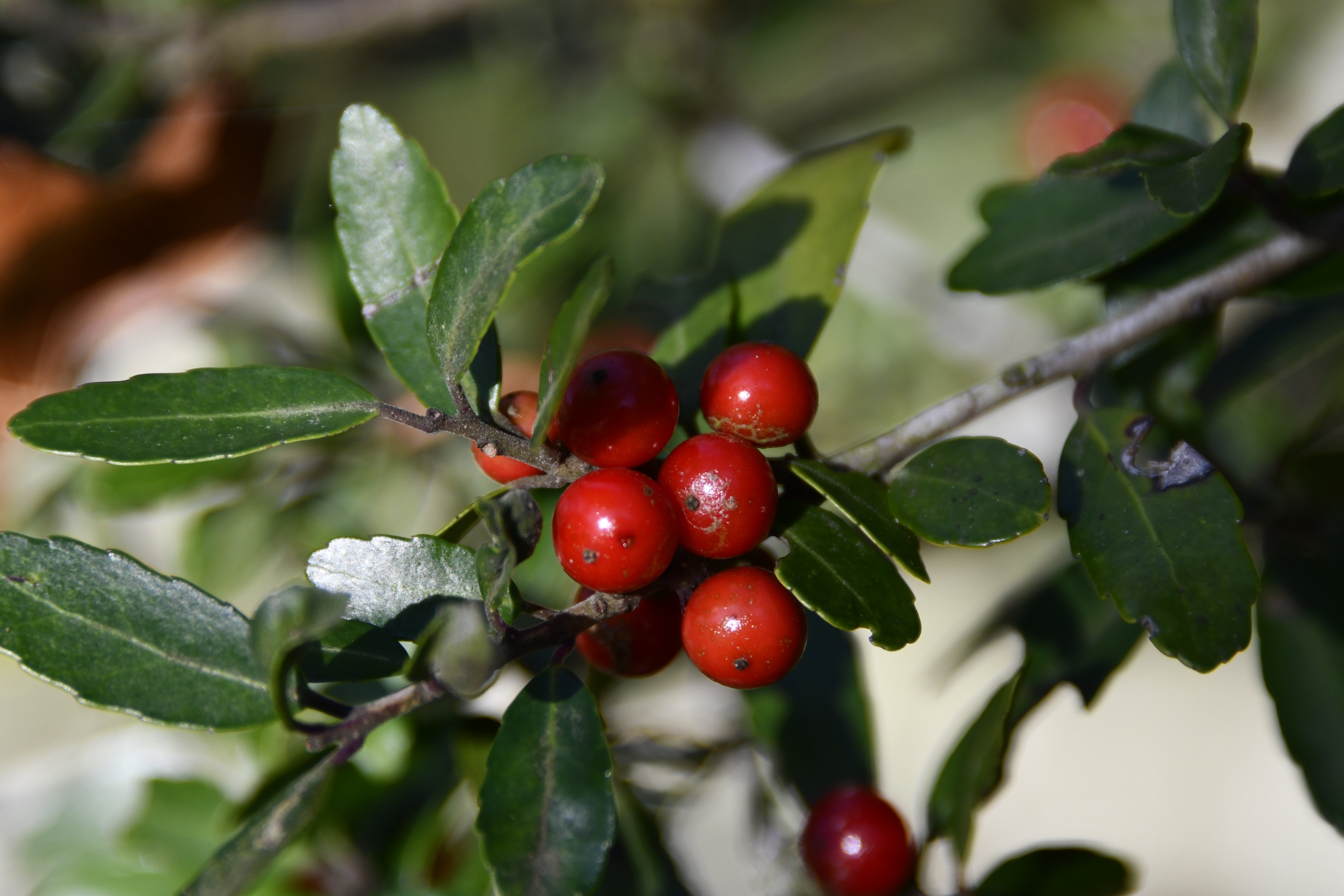
Yaupon is native to the southeastern United States, with Texas among its most important modern production regions.
Some producers emphasize specific growing areas, harvesting methods, or land stewardship practices. Others source from multiple locations.
Yaupon lacks regional designations like wine or coffee, but interest in terroir and regional distinctions is growing.
Knowing where a product was grown can give additional context and help buyers support producers whose values align with their own.
Wild-Harvested vs Cultivated Yaupon
A common question is whether yaupon was wild-harvested or cultivated.
Wild-harvested yaupon is gathered from naturally occurring stands, many of which are found across Texas and other parts of the plant's native range. Wild-harvest producers regularly highlight ecological management, use of existing native plants, and unique characteristics from different landscapes.
Cultivated yaupon is grown and managed more intentionally, sometimes on farms or dedicated production sites. Cultivation-focused companies may emphasize consistency, predictable supply, and greater control over harvesting and processing.
Neither method is superior; quality reflects harvesting standards, processing, freshness, and producer skill. Some brands prefer one approach, while others combine wild and cultivated sources.
As the yaupon industry develops—particularly in Texas—both harvesting models play important roles in expanding availability and supporting growth.
Evaluate Packaging and Freshness
Packaging can influence how well a tea maintains its quality over time.
Resealable bags, tins, or protective containers retain aroma and flavor better than products exposed to air, moisture, or sunlight.
While yaupon is relatively stable compared to some delicate teas, fresher products often provide a more vibrant experience.
Purchase quantities you can enjoy within several months rather than storing large amounts for the long term.
Understanding Yaupon Tea Price Differences
Yaupon tea prices vary based on several factors:
Harvesting methods
Processing techniques
Packaging quality
Product format
Brand positioning
Small-batch versus large-scale production
Higher prices do not automatically indicate higher quality, but unusually inexpensive products may reflect differences in sourcing, processing, or packaging.
As with many agricultural products, comparing value rather than price produces better purchasing decisions.
Compare Several Yaupon Tea Brands and Producers
Taste is highly personal.
Two well-made products can offer different experiences based on growing conditions, processing, roasting profiles, and blending.
Many buyers explore by purchasing small quantities from several producers.
Sampling a variety of styles can help identify whether preferences lean toward roasted, green, blended, or single-ingredient products.
Questions to Ask Before Your First Purchase
If you are new to yaupon, a few simple questions can help narrow the options:
Do you prefer lighter, herbal flavors or richer, toasted flavors? Green yaupon generally offers a brighter profile, while roasted yaupon tends to be deeper and nuttier.
Is convenience or brewing flexibility more important? Tea bags and sachets are easy to use, while loose-leaf yaupon provides greater control over strength and preparation.
Do you want to experience yaupon on its own first? A pure yaupon tea can help you understand the plant's natural flavor before exploring blends with herbs, spices, or fruit ingredients.
Are you interested in a specific origin? Many buyers seek out Texas-grown or Texas-processed yaupon because of the state's central role in the modern revival of the category.
Conclusion
The best way to buy yaupon tea is to approach the process with a simple plan. Start by deciding whether you want the lighter, herbal character of green yaupon or the richer, toasted profile of roasted yaupon. Next, choose a format that fits your routine, review ingredient lists carefully, and compare sourcing and packaging details before making a purchase.
Rather than focusing solely on price, evaluate overall value by considering freshness, processing methods, and the producer's reputation. As the yaupon industry continues to expand, trying small samples from multiple brands before committing to a larger purchase can be an effective way to explore the category.
Start small, compare a few styles, and pay attention to what you actually enjoy drinking.
About

Featured Posts

Explore Topics